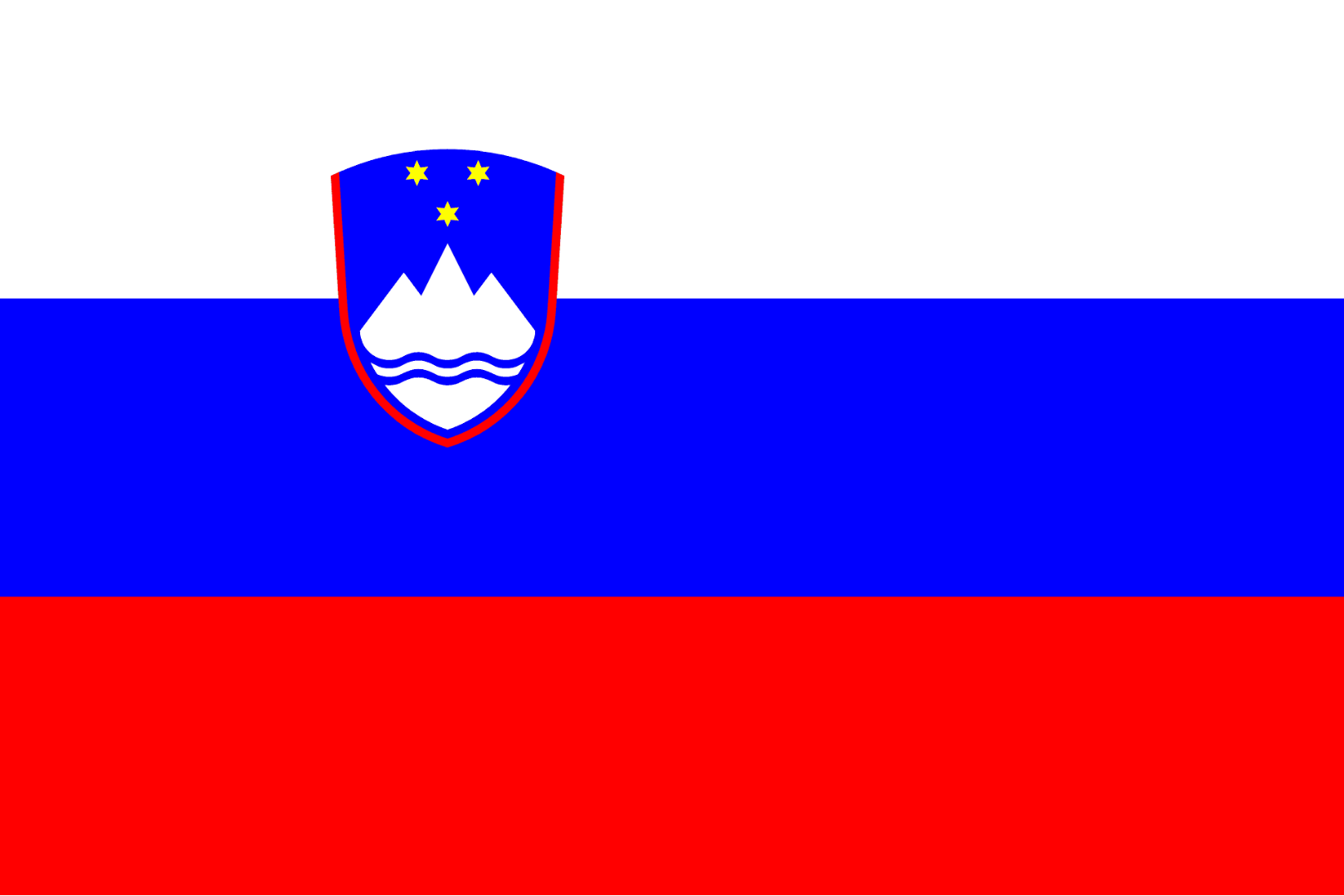
Slovenia is a parliamentary representative democratic republic in which executive authority is exercised by a government led by the prime minister, while the president serves as head of state with primarily constitutional and representative functions, including nominating the prime minister and limited formal powers. Legislative power is vested mainly in the unicameral National Assembly, a 90-member parliament elected every four years by proportional representation, alongside the National Council, an advisory body representing social and economic interests. The political system is characterized by a competitive multiparty landscape in which coalition governments are common. Following the 2022 parliamentary elections, the liberal Freedom Movement emerged as the largest party, and a new government took office in May 2022 under Prime Minister Robert Golob.
Key Highlights
In Slovenia, national elections are largely free and fair. The electoral system enables genuine competition among multiple parties, elections consistently produce competitive outcomes that typically require coalition governments, and the campaign environment is professionally administered in a way that allows mainstream opposition parties to campaign freely and access the media.
Independent media, civil society organizations, political actors, and the public are largely free to criticise or challenge the government. The country maintains a large, active civil society supported by a robust legal framework, and although the previous government exerted pressure on parts of the media, reforms have been advanced to strengthen public media independence. Public criticism of the government and protests are common and usually permitted, notwithstanding isolated instances of excessive policing, including the use of tear gas, water cannons, detentions, and fines for minor protest actions.
Institutions operate independently and continue to act as effective checks on the governing authority. Judicial independence remains constitutionally protected and institutionally safeguarded, and courts have ruled against the government in sensitive cases, including by requiring equal media access for opposition parties during elections and overturning excessive limits on freedom of assembly. Similarly, oversight and law-enforcement institutions remain structurally independent from political control.