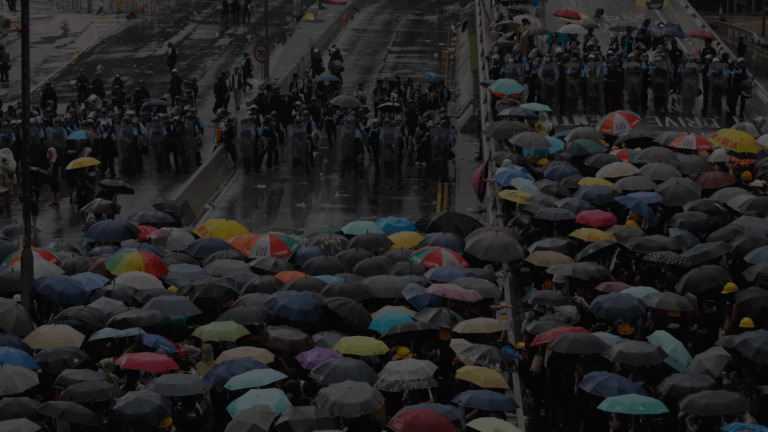

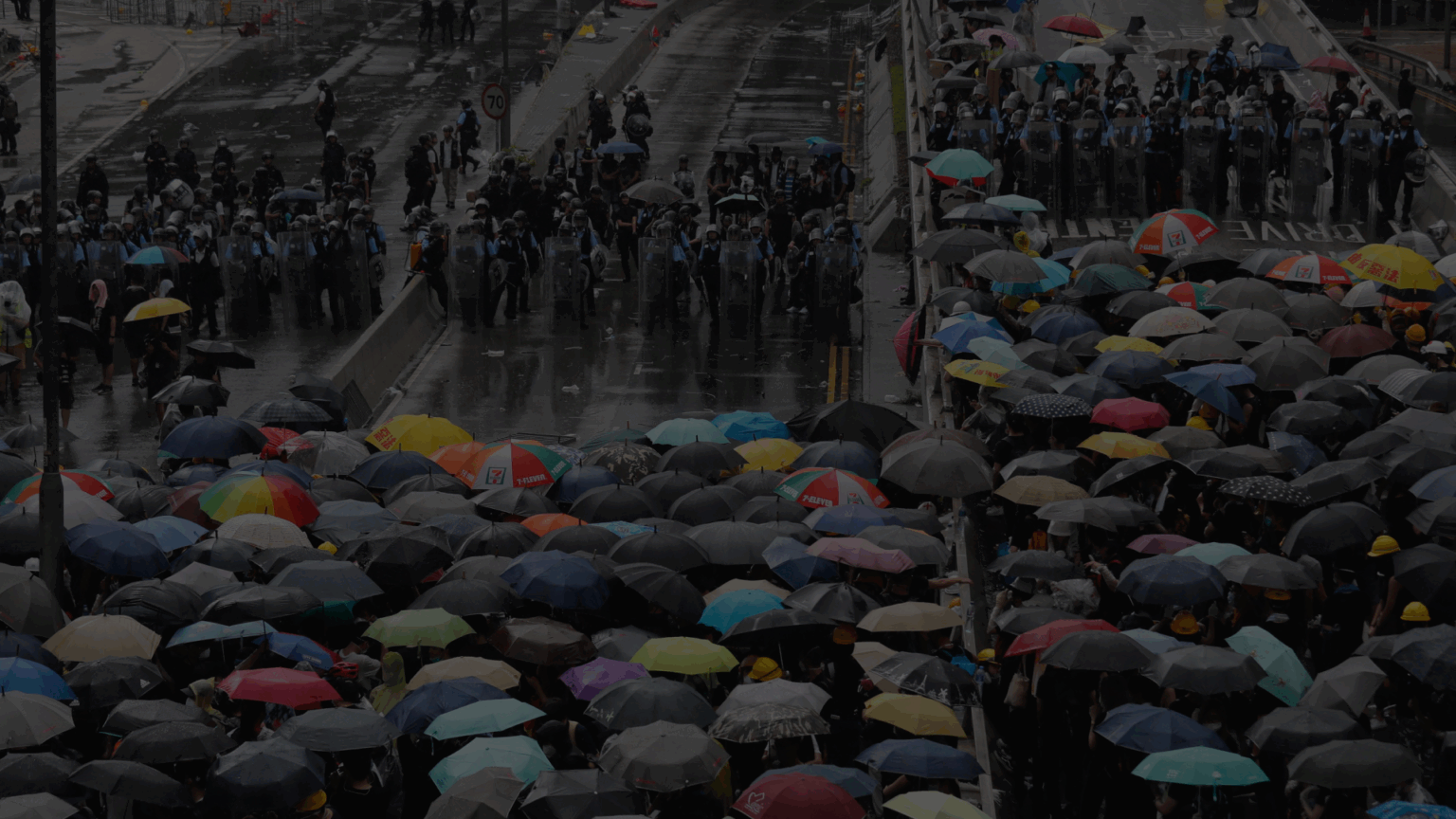

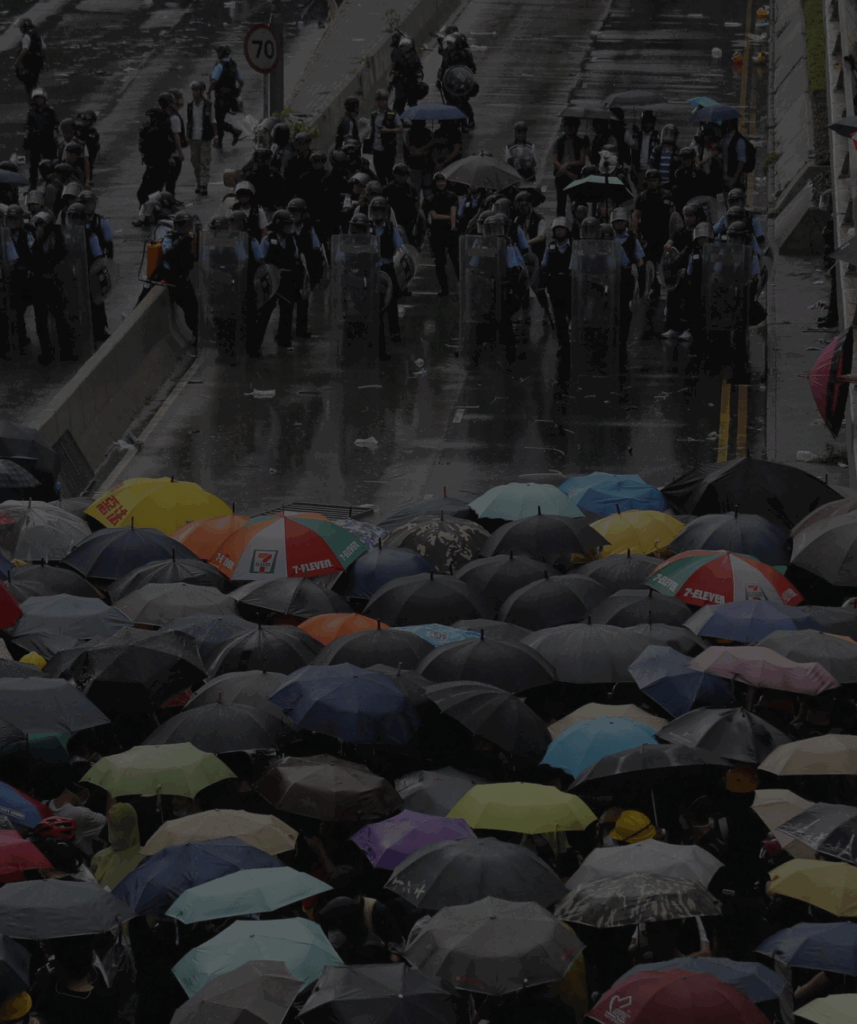
July marked one year since Angola’s nationwide fuel protests, which authorities violently suppressed with tear gas, live ammunition, and mass arrests, causing deaths and injuries. One year on, HRF remembers the victims of the repression and condemns the impunity for the ruling MPLA regime’s deadly brutality. HRF calls for the release of protesters and activists still arbitrarily detained on politically-motivated charges in connection with the protests.
In July 2025, Angolan authorities’ decision to cut fuel price subsidies amid a rising cost of living sparked protests across the oil-rich nation that culminated in a national strike by the National Association of Angolan Taxi Drivers. The protests spread to express long-standing public grievances against the ruling MPLA regime, which has been in power since independence in 1975.
In response, Security forces attacked protesters with batons, tear gas and live bullets leading to violent clashes and riots. Authorities used the violence to cast the protesters as vandals in a bid to discredit the mobilization. By July 31, 2025, police announced the arrests of over 1,500 people and the deaths of 30 people.
No member of the Angolan regime has been held to account for the deadly and disproportionate use of force against protesters. A coalition of Angolan civil society organizations have repeatedly called for an international investigation into the repression which they have called a “massacre” and “state terrorism.”
In contrast, authorities arbitrarily detained several prominent activists and critics of the MPLA regime, including Osvaldo Caholo, Serrote José de Oliveira, better known as “General Nila” — who was shot before being detained — Oliveira “Buka Tanda” Francisco, Kiluanje Lourenço, Venâncio Gondo Lucungu, better known as “Soba Príncipe,” and Gonçalves Frederico.
They were all subjected to months of detention on politically-motivated accusations and released. Authorities are still detaining political activist André Miranda on trumped-up charges of failing to comply with an order to disperse while recording the protests, vandalism, and terrorism.