

WASHINGTON, D.C. (Sept. 25, 2026) — On Sept. 24 and 25, the Human Rights Foundation (HRF) co-hosted AI Hack for Freedom III, the third edition of a hackathon aimed at building digital tools that directly address the needs of human rights defenders under authoritarian regimes, with a prize pool of $50,000.
The event paired 10 globally recognized democracy advocates from Kenya, Rwanda, Tibet, Turkey, Venezuela, Zimbabwe, and beyond with top open-source software developers to build digital tools supporting their movements. Over just two days, each activist led their team, guided development using their own AI agents, and rapidly prototyped and built projects to help secure elections, promote independent journalism, protect protesters, expose dictator financing in the West, and beyond. The activists used personal agents powered by open-weight inference running on NVIDIA chips that enable a Trusted Execution Environment (TEE), giving them cutting-edge privacy.
The National Endowment for Democracy (NED) also co-hosted the event, along with the AI Freedom Lab. The University of Maryland School of Public Policy cultivated student engagement in the hackathon to train the next generation of technologists to help advance democracy.
A panel of 6 judges selected the top 3 finalists from 10 total teams. Teams were evaluated on the significance of the problem they addressed, the quality of their solution, and its potential effectiveness and impact.
The $50,000 prize pool was structured so that the first-place team received a $20,000 prize, the second-place team $10,000, and the third-place team $6,000. The other teams each received $2,000. The awardees were immediately paid on-site in Bitcoin.
Just before the hackathon, Finite, a company dedicated to making frontier AI experiences accessible to non-developers, led a two-day in-person training session so that the team captains could learn to use and build software with powerful personal AI agents. The goal was not only to prepare activists to lead their teams during the hackathon, but also to equip them with the skills to continue experimenting, building, and creating digital tools for their movements in the days and months ahead.
Top three winners
Behind the Jersey
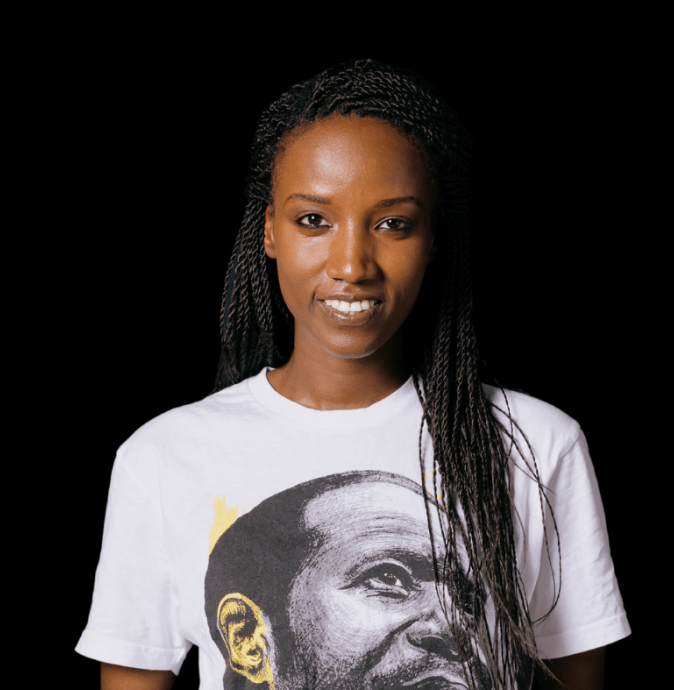
Team Captain: Carine Kanimba
Secretary General, World Liberty Congress
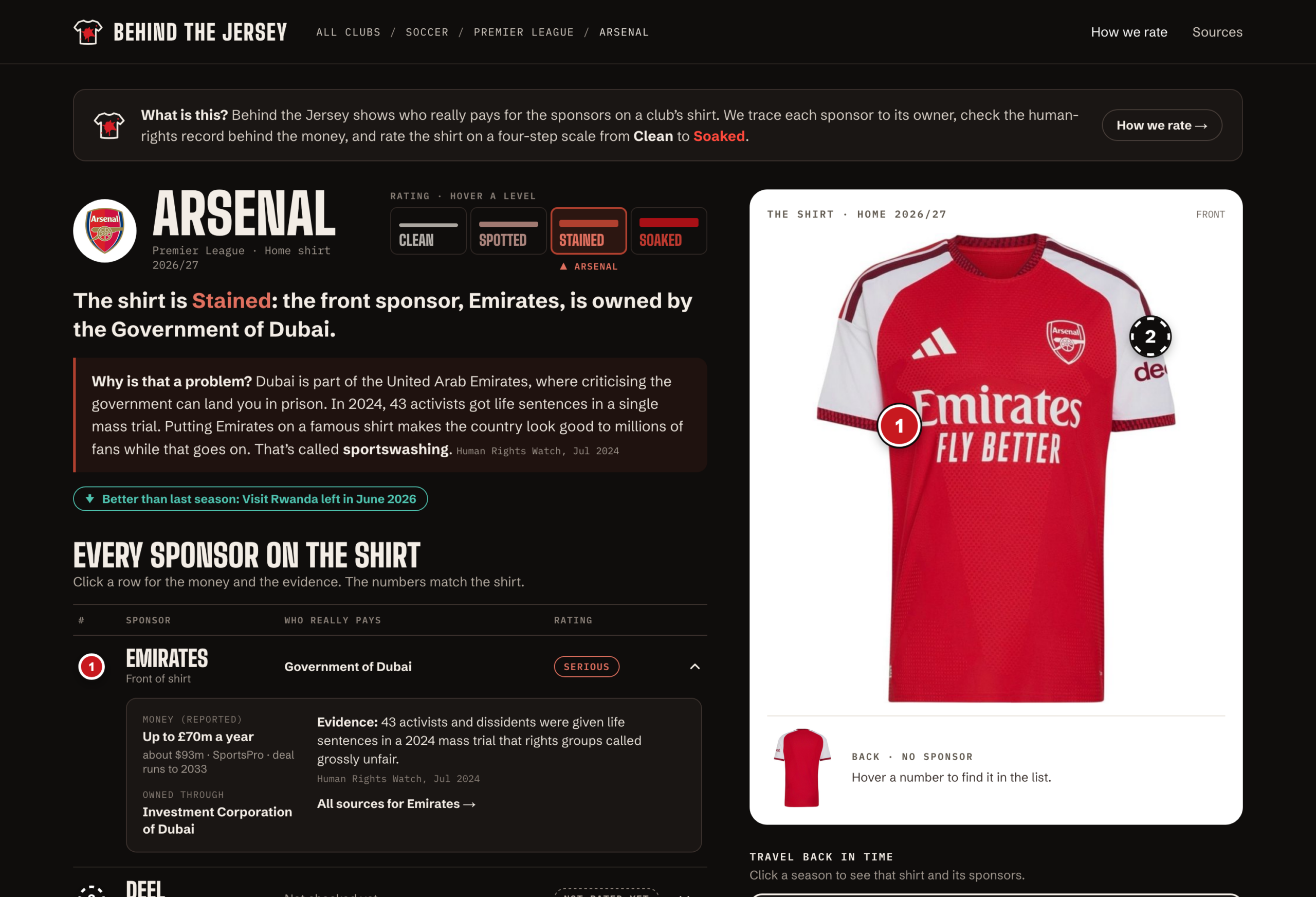
Carine Kanimba and her team created Behind the Jersey, a platform that exposes “sportswashing” (when authoritarian regimes use sports to improve their image and cover up human rights abuses). On the website, users can find their favorite sports teams and see whether their sponsors are connected to repressive regimes. Each page then gives fans information they can use to contact clubs, organize campaigns, and generate public pressure. AI helps gather and organize the data, but every entry is fact-checked by a person before it is published. The idea grew out of Kanimba’s own advocacy around the soccer team Arsenal’s sponsorship by Rwanda, whose regime kidnapped her father, Paul Rusesabagina, and has committed many other abuses. Behind the Jersey turns sports fandom into a tool for accountability.

Ustad
Team Captain: Kadir Yağız Çetin
Founder and CEO, CDR
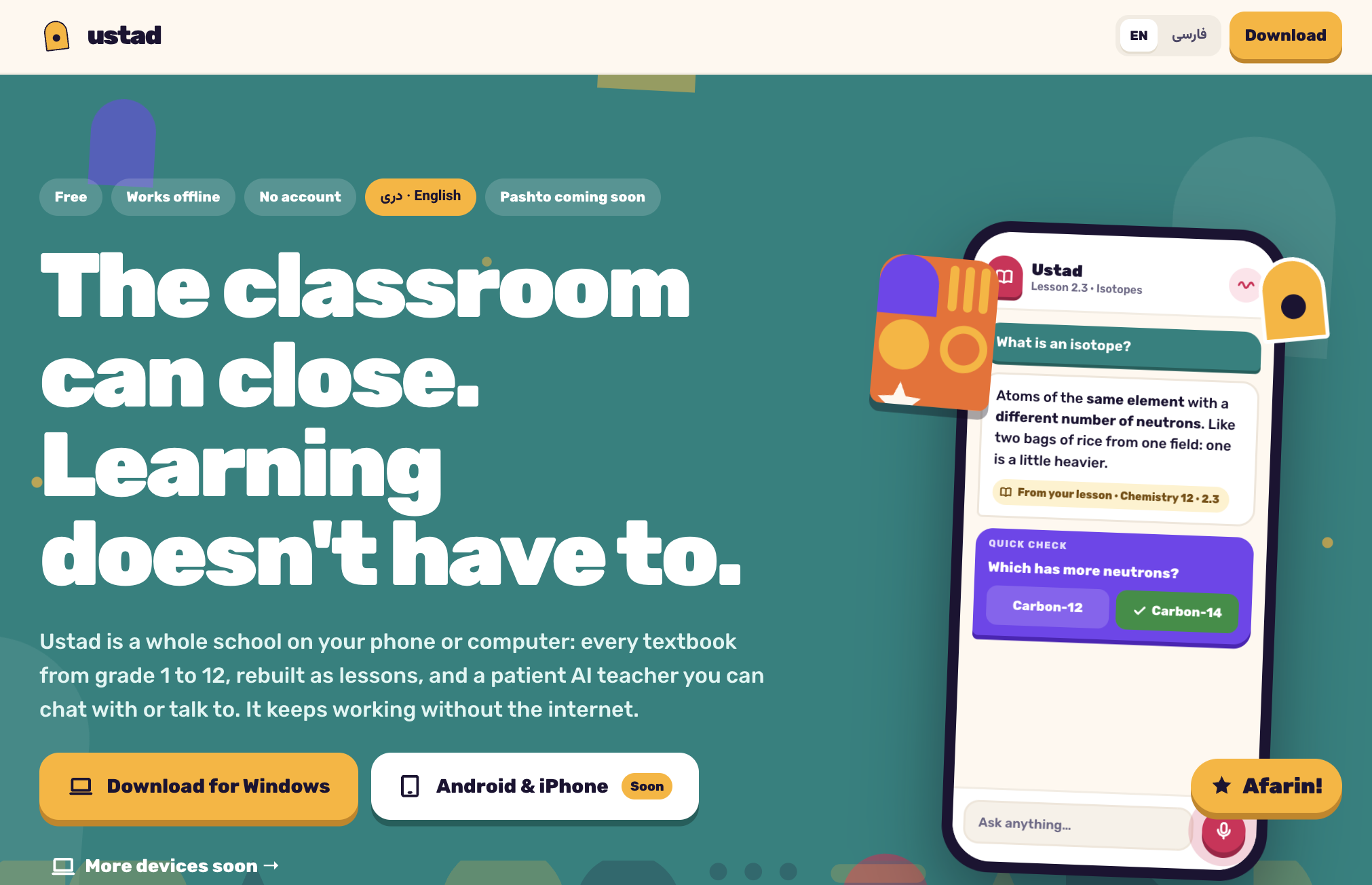
Kadir Yağız Çetin and his team developed Ustad, an offline learning platform designed for Afghan girls barred from attending school. The app contains Afghanistan’s national curriculum for grades 1 through 12, rebuilt from official textbooks into short lessons in Dari, English, and Pashto. An AI teacher called “Ustad” explains lessons through text or voice, shows students the textbook pages behind its answers, and quizzes them with game-like exercises. Ustad is powered by local AI models, which means it requires no internet, all data remains private, and lessons can be transferred by memory card. For girls shut out of classrooms, Ustad brings the classroom directly to them.

Nima
Team Captain: Chemi Lhamo
Tibetan-Canadian Activist and World Liberty Congress Spokesperson
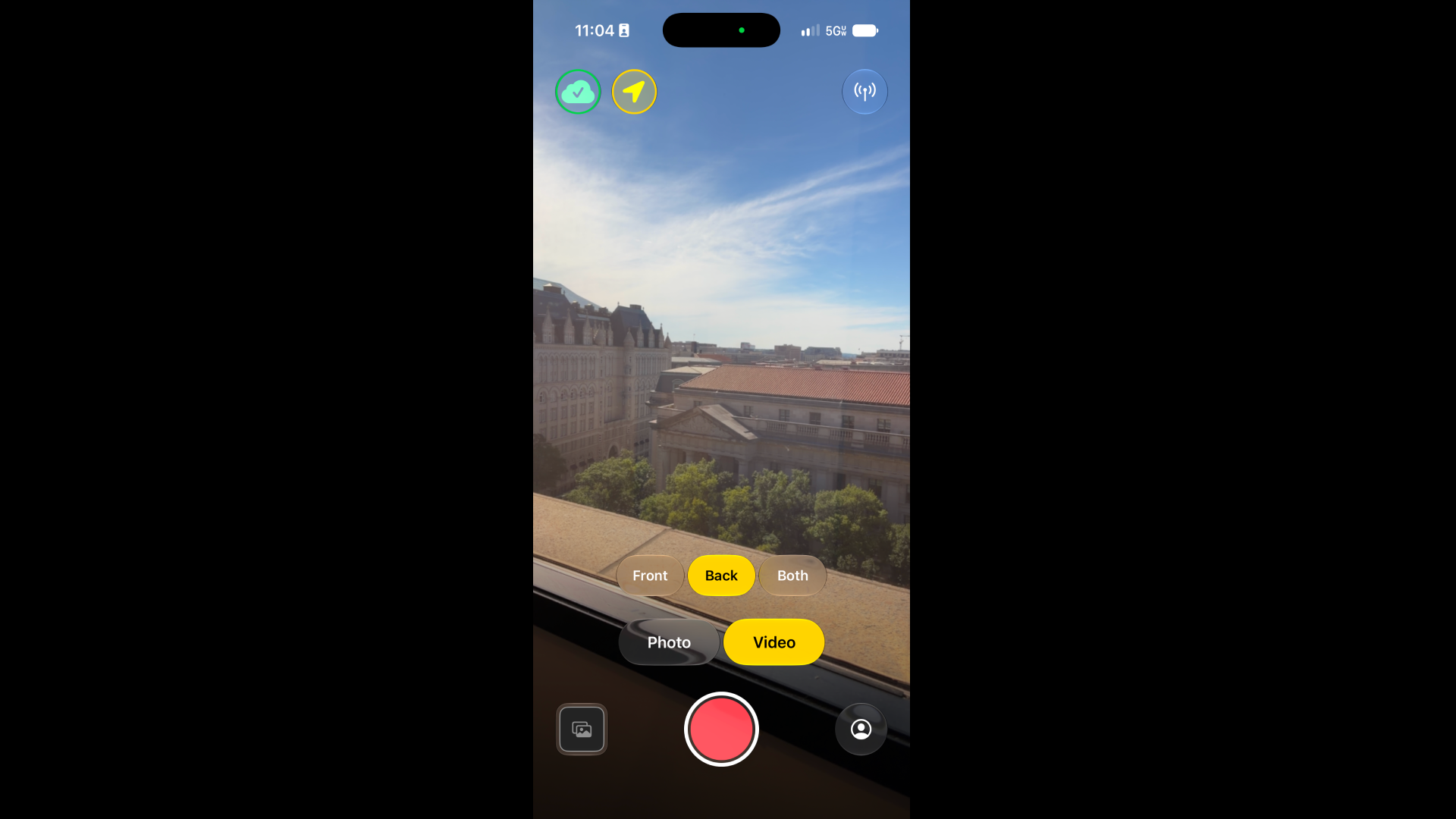
Under Chemi Lhamo’s leadership, the team created Nima, a streaming application designed to preserve evidence of attacks or threats against protesters and activists. On the app, a user can record moments of danger, and the footage is sent to a remote server, keeping it safe even if the user’s phone is confiscated. If there is no internet connection, Nima can send the footage to nearby friends’ devices instead. Nima includes a dashboard that helps surface recurring faces captured in these videos, so activists can identify potential threats. The idea grew from Lhamo’s own experience protesting Xi Jinping’s US visit in 2023, when she was swarmed and her phone, along with evidence of the attack, was thrown into the water. With Nima, losing the device no longer means losing the evidence.
Stay Tuned
HRF, the AI Freedom Lab, and Presidio Bitcoin will host a fourth edition of the hackathon on Dec. 3 and 4 in San Francisco, California. Stay tuned for more information.