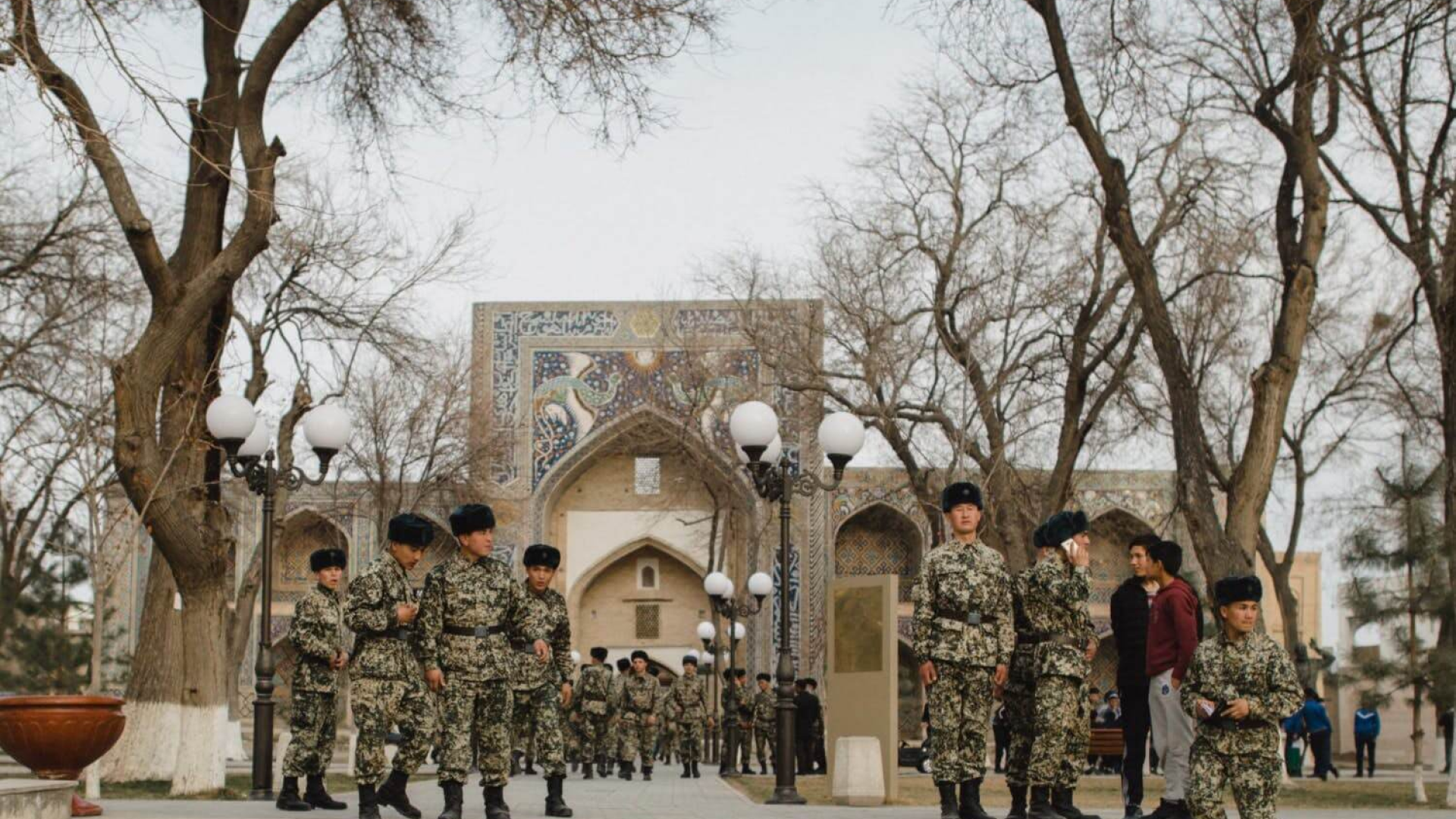
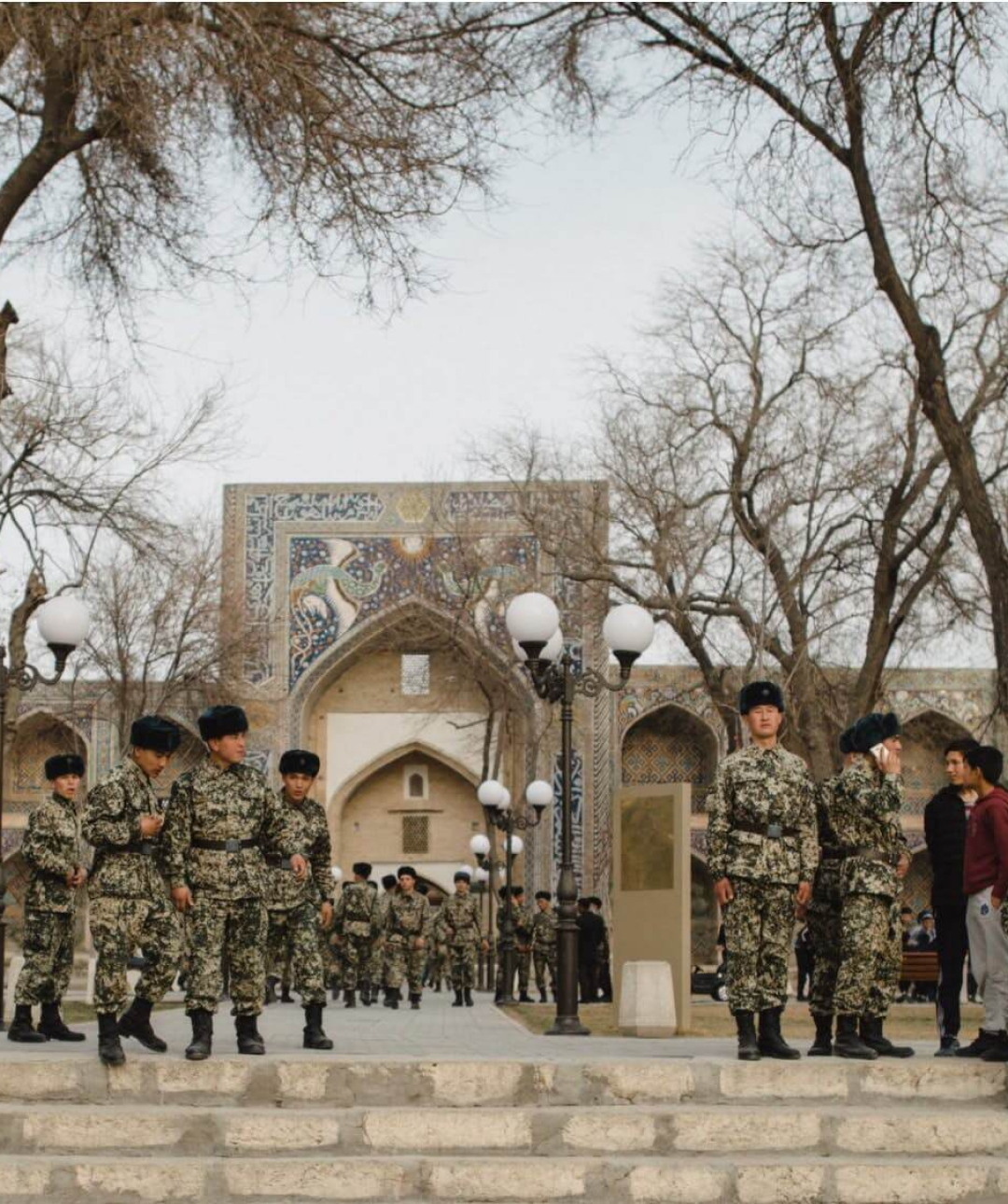
(The New York Times)тАУ Unraveling a police state is never easy, and just how fraught the process can be has been playing out in a basement cell in Uzbekistan, a rare example of a country seeking to tame a vicious security apparatus at a time when many other nations are doing the opposite.
The detention center in Tashkent, the Uzbek capital, is where Bobomurod Abdullaev, a freelance journalist, was taken and, according to his wife and lawyer, tortured after agents of UzbekistanтАЩs feared National Security Service grabbed him off the street in September.

But it was also where Mr. Abdullaev, who has been charged with тАЬconspiracy to overthrow the constitutional regime,тАЭ was last month allowed to meet with a prominent human rights lawyer the security service had initially barred тАФ and tell him of his mistreatment.
Two security officers in charge of the investigation have now been removed from the case and are themselves under investigation for misconduct amid a rolling purge of UzbekistanтАЩs once-untouchable security service.
The twists and turns in Mr. AbdullaevтАЩs case point to what, 18 months after the death of UzbekistanтАЩs longtime dictator, Islam Karimov, is the central question hanging over efforts by new leadership to open up one of the worldтАЩs most repressive countries: Can a brutal and once all-powerful security apparatus with roots deep in the former Soviet republic be transformed into a law enforcement agency?
Read the full article here.
Hit enter to search or ESC to close