
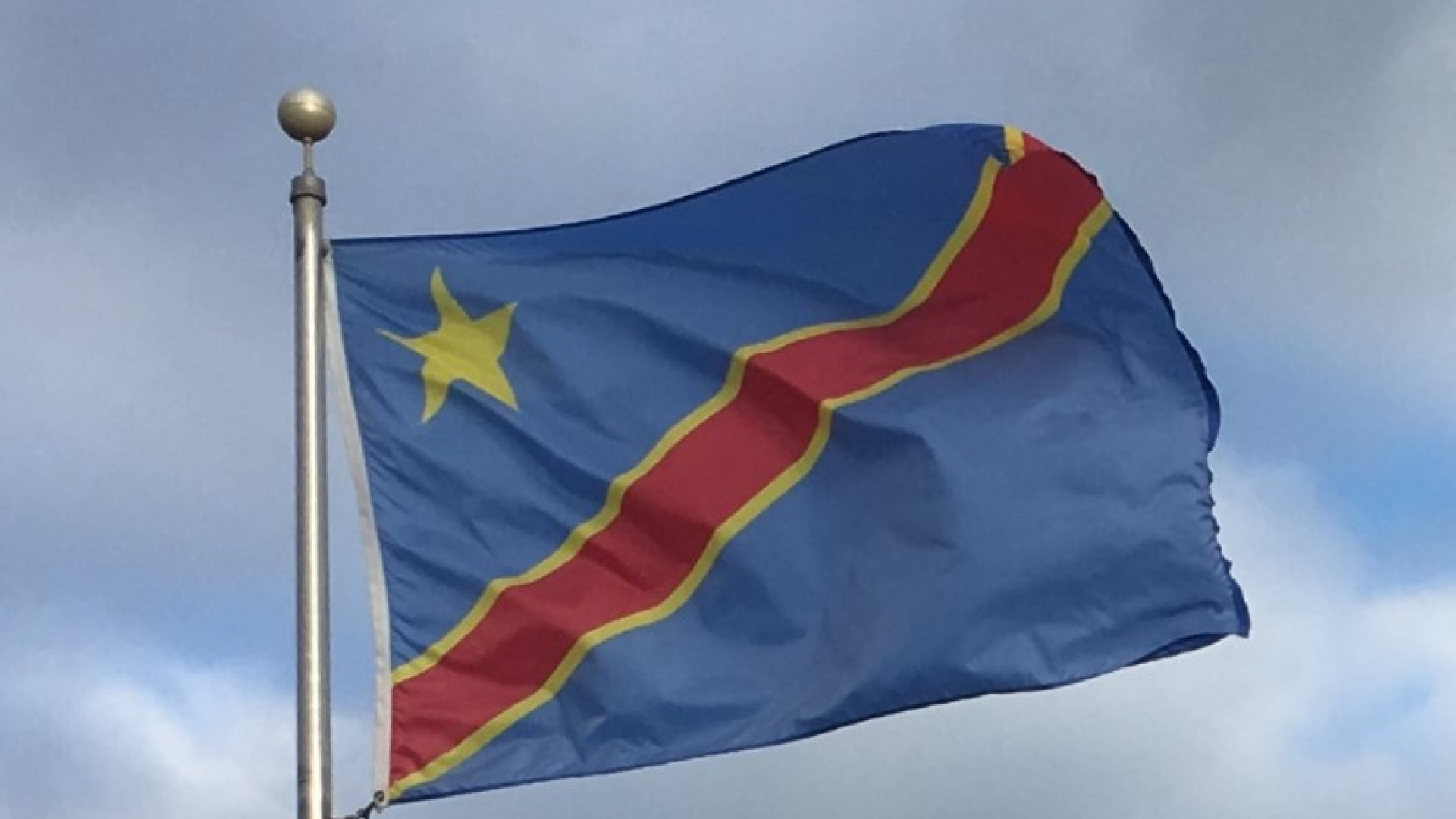
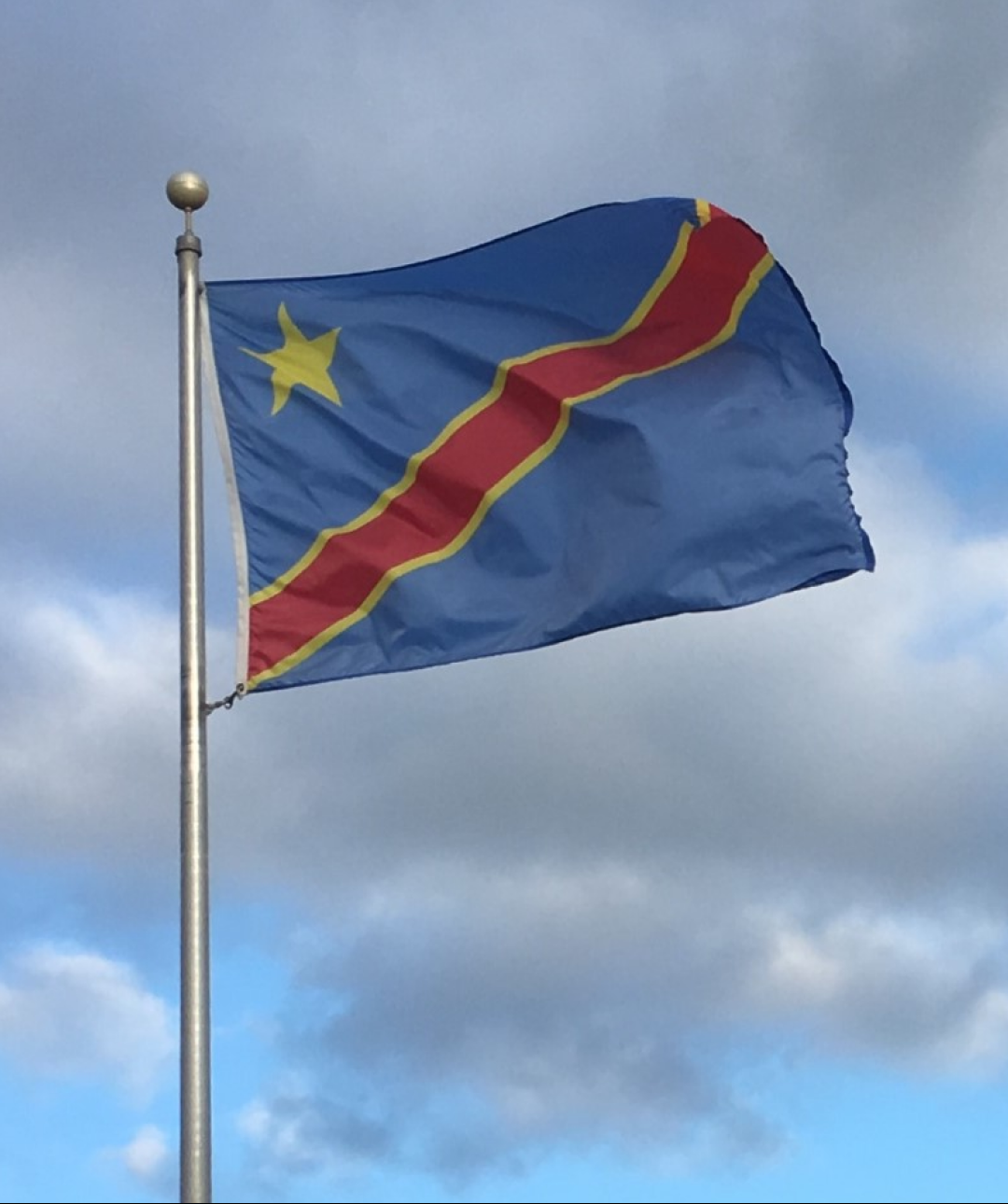

Congo’s 17th Ebola outbreak emerged in the far northeast of a vast country already grappling with more emergencies than can be counted: armed conflict, mass displacement, sexual violence, impunity, corruption, repression and a political order in permanent crisis. It took months for authorities to detect the virus—a delay that allowed it to spread undetected, costing many lives. In the weeks following Ebola’s detection, the government’s stumbling response stood in stark contrast to the rapidity with which state institutions in Kinshasa moved to lay the foundation for President Felix Tshisekedi to stay in office after the end of his current term—his second and final one according to the constitution.
More than 2,300 people have died from among 5,000 confirmed cases so far, making this Congo’s deadliest Ebola outbreak. The United Nations humanitarian chief Tom Fletcher warned last week that “Ebola is winning” in Congo, calling it the fastest-growing Ebola outbreak ever recorded. Since emerging earlier this year in Ituri province, along the border with Uganda, it has spread to five neighboring provinces. Twenty cases have also been reported in Uganda, as well as one in France.