
NEW YORK (March 23, 2026) — The Human Rights Foundation (HRF) welcomes the opinion issued by the UN Working Group on Arbitrary Detention (WGAD) finding that Cambodia’s detention of activist Koet Saray violates international human rights law, following an HRF submission.
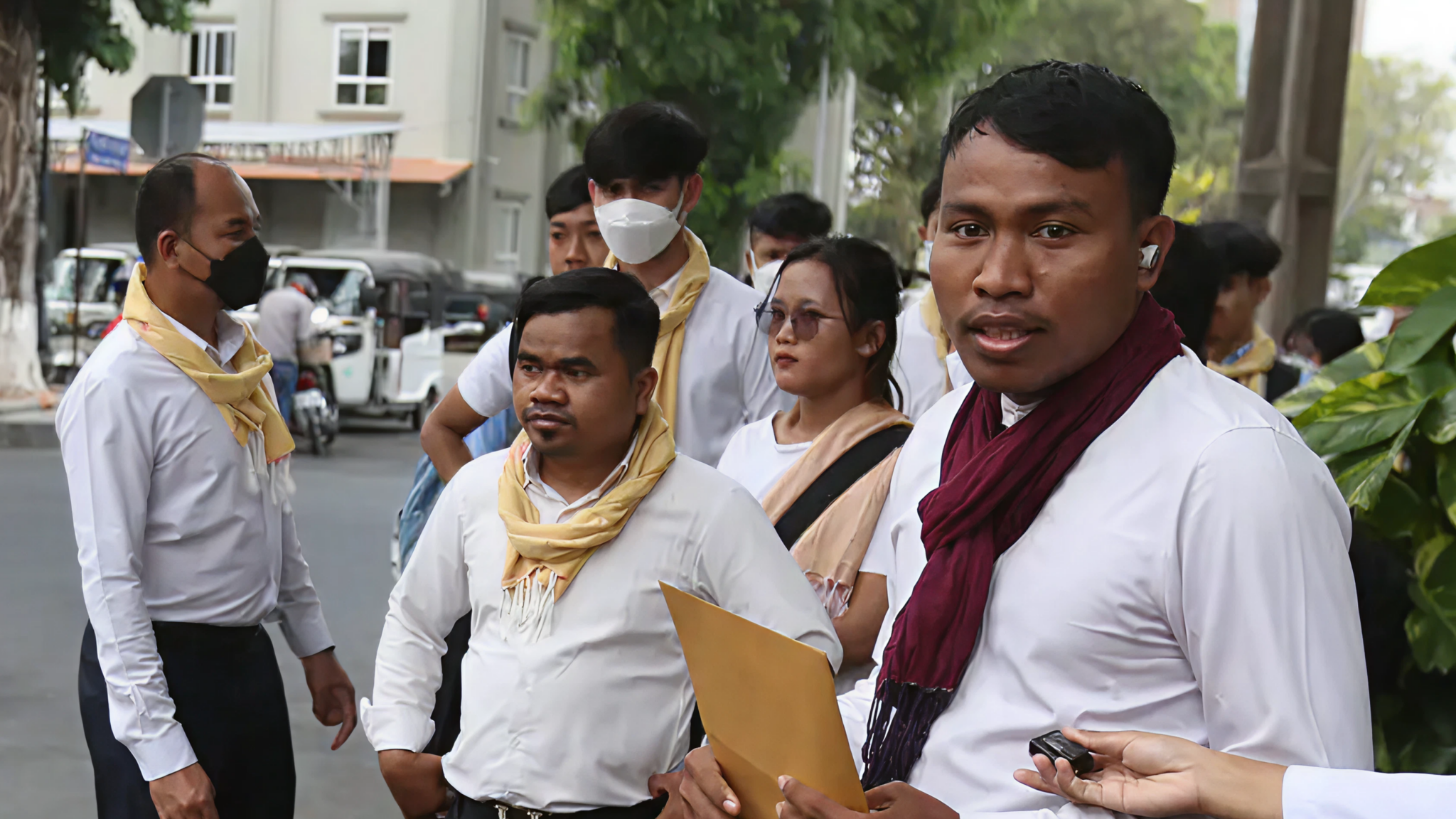
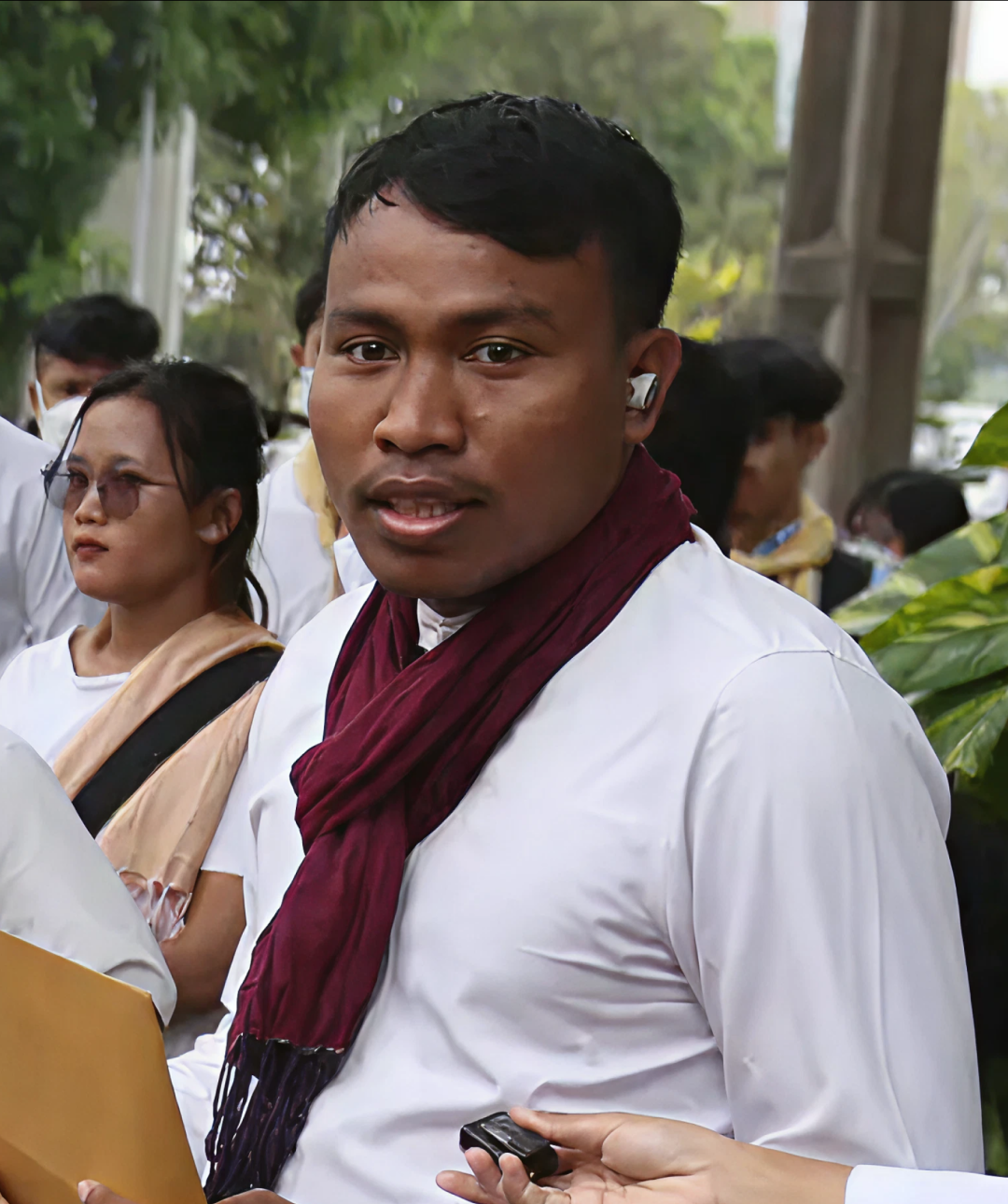
Mr. Koet Saray is a human rights defender and former president of the Khmer Student Intellectual League Association (KSILA), a group dedicated to promoting human rights, democracy, development, and environmental protection that has now ceased operations after the regime targeted more of its members. He was arrested on April 5, 2024, after posting photos on social media from a meeting with Preah Vihear Province villagers who had been forcibly evicted from their homes to make way for a rubber plantation. Mr. Koet Saray advocated for the villagers on social media and through interviews given to media outlets about the evictions.
Cambodia charged Mr. Koet Saray with “incitement” under Articles 494 and 495 of the Criminal Code, controversial provisions that the WGAD described as so vague and overbroad as to invite abuse and misuse and as incompatible with international legal principles. He was also charged under Article 88, Cambodia’s recidivism provision, due to prior fabricated incitement charges for participating in a peaceful protest in 2020. He was held in pretrial detention for six months before being tried in a one‑day, closed‑court proceeding, and he was convicted and sentenced to four years in prison on Nov. 6, 2024.
“The Working Group’s opinion confirms that Cambodia weaponized vague criminal statutes to silence a peaceful human rights defender,” said HRF International Legal Associate Kaitie Holland. “Cambodia clearly violated Mr. Koet Saray’s rights to the freedoms of expression, peaceful assembly, and association. We commend the Working Group for its thorough legal analysis recognizing the pattern of abuse against Mr. Koet Saray and calling out his illegal pre‑trial detention, the use of overbroad incitement provisions against him, and the denial of a fair trial.”
HRF joins the WGAD’s call for the immediate release of Mr. Koet Saray and for a full, independent investigation into the circumstances of his arrest, trial, and imprisonment. HRF urges the international community to hold Cambodia accountable for the detention of Mr. Koet Saray and other activists who are arbitrarily imprisoned under the country’s abusive incitement laws.
The Human Rights Foundation (HRF) is a nonpartisan nonprofit organization that promotes and protects human rights globally, with a focus on closed societies.
Supported by a grant from the John Templeton Foundation.