

Press freedom is under threat globally, as media outlets face mounting challenges that force their closure and a growing number of journalists are thrown behind bars. Last year, Asia had the highest number of imprisoned journalists of any region, largely driven by cases in China and Burma. Authoritarian regimes also continued to tightly control information flows and rely on state-owned media outlets to shape public opinion. Under these regimes, anyone who dares to criticize or speak up could end up in prison or forced into exile.
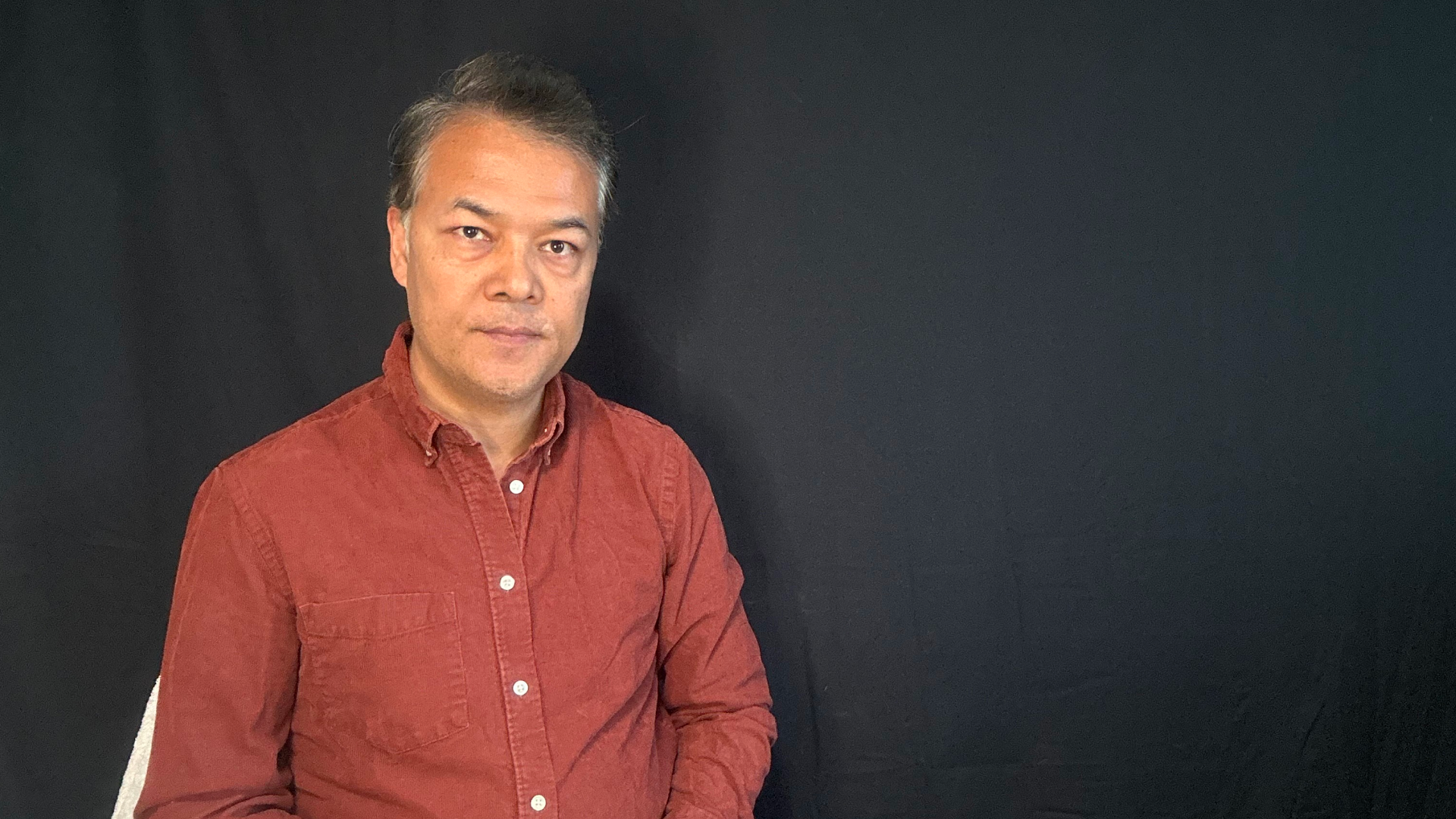
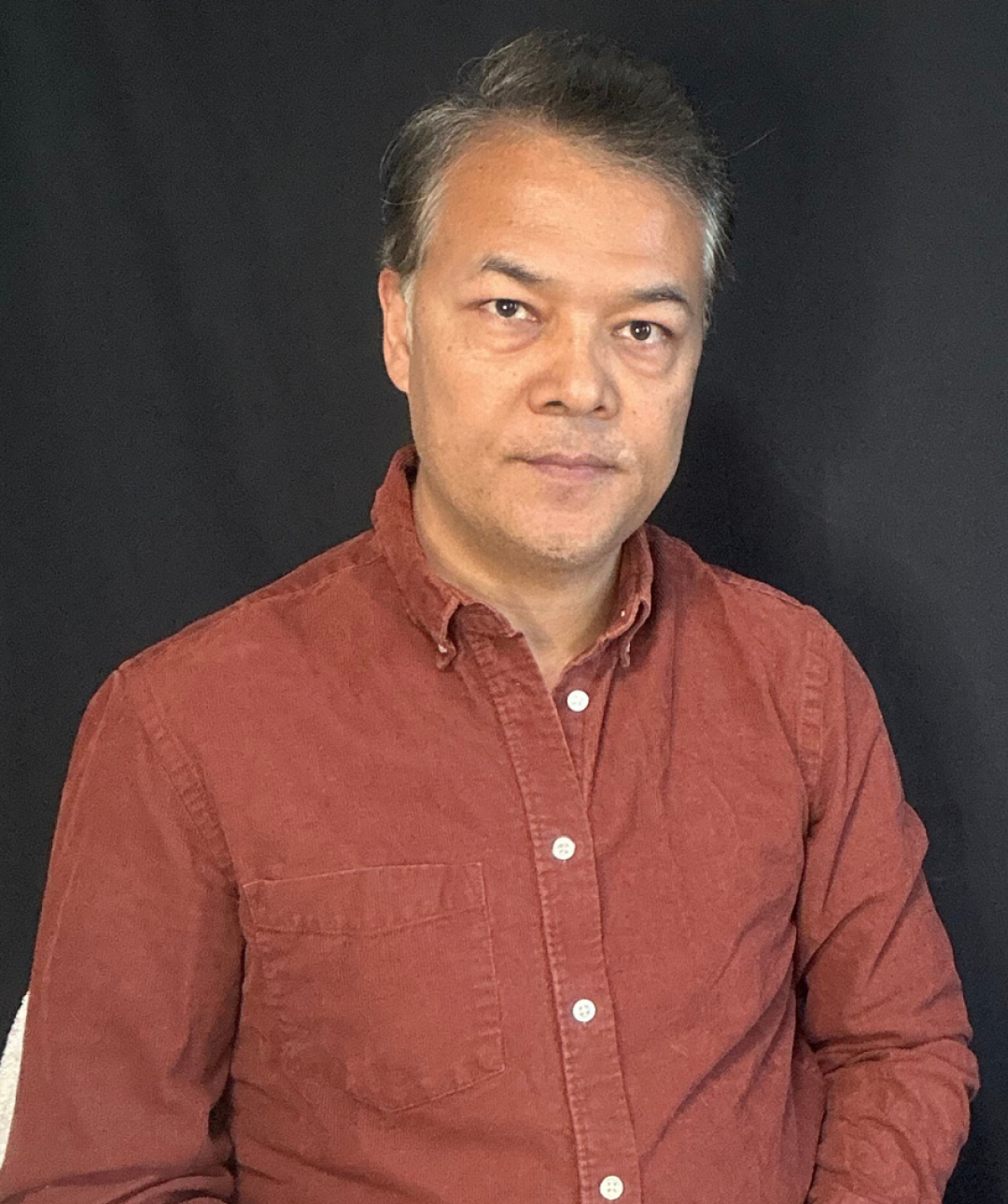
Leading up to World Press Freedom Day, Tahir Imin, an exiled Uyghur journalist and founder of the independent news outlets Uyghur Times and Uyghur Post, shared his reporting journey with us. He was previously a prisoner of conscience in China, detained for criticizing Han Chinese migration into the Uyghur Region and the marginalization of Uyghur culture.
The following has been edited for length and clarity.
What first drew you to journalism, and what inspired you to establish a Uyghur-language news site?
When you belong to a community whose story is systematically distorted or erased, journalism stops being just a profession. It becomes a responsibility. What drove me was a simple but urgent gap: Uyghurs in the diaspora had very few trustworthy, independent sources of news in their own language.
I also noticed that the distance between Uyghur diaspora communities around the world was growing — not just geographically, but culturally. There is something deeper, too. When our language and literature are suppressed in China, the diaspora becomes the place where we still have the freedom to speak, write, and tell our own stories in our own words. That freedom is precious, and it carries a responsibility.
I launched Uyghur Post in November 2024 because I believed our people deserve journalism that speaks to them directly, shares their untold stories to others, keeps them informed about the most important political and cultural developments affecting their people both at home and in the diaspora, covers how community organizations and the wider world are responding, and gives a platform to the many different voices within our community. All of this, without political interference.
Which story has been the most difficult for you to report on, and why has it stayed with you?
The stories that hit hardest are always those about families torn apart. For me, this is not just a journalistic subject. It is personal. When I left China in 2017, I left my daughter behind. It has been nine years, and I have never been able to see her since. That pain never leaves you. It sits with you every time you sit down to report on another family going through the same thing — and there are many.
Family separation is one of the defining tragedies of the Uyghur crisis, and our team at Uyghur Post regularly covers these stories: a mother in the region who has lost contact with her children abroad, a diaspora member who learns through secondhand accounts that a relative has been detained. These are not abstract political stories. They are people. They are us.
What makes writing these stories especially difficult is not only the emotional weight, but the verification challenge. Sources inside the region cannot speak freely, and families outside are terrified that going public will make things worse for loved ones still inside. As journalists, we carry those stories carefully, and sometimes we carry the burden of what cannot yet be published.
Many exiled journalists speak about transnational repression, including surveillance, intimidation, and pressure beyond borders. Have you experienced this, and how has it affected your work and personal life?
Transnational repression is not a theoretical concern for Uyghur journalists. It is an operational reality, and we live it every day.
Let me give you concrete examples. At least one of our team members asked us not to publish his name in any reporting, because relatives back home had reached out to warn him: Be careful, or your parents will pay the price.
Uyghur Post has also been a constant target of state-sponsored cyberattacks. In early March, our website was taken down for five days by a cyberattack that flooded our servers with millions of fake requests until the site collapsed. Our team worked to restore it, but five days of silence is significant for a news platform serving a diaspora that depends on us.
I am also a living example of being a target. When I launched Uyghur Times, an English-language news site focused on Uyghur issues in 2018, the Chinese government responded by arresting members of my family. Around 30 relatives have been detained in retaliation for my journalism. I receive death threats from online accounts linked to Chinese government networks regularly, along with constant hacking attempts. At this point, I have gotten used to the feeling of being surveilled around the clock — which is itself a disturbing thing to say.
All of this shapes how we work — how we protect sources, how we make decisions about what to publish and when, and how we think about digital security.
What role do diaspora communities play in supporting independent journalism and keeping stories alive?
Diaspora communities are both the audience and the archive. When a government works to erase a people’s history and suppress their present, the diaspora becomes the keeper of memory.
Community groups and diaspora businesses also have a vital role to play either through donating, co-organizing community events and panels, and simply recognizing and honoring the journalists who have sacrificed a great deal to be the voice of their own people. That recognition matters more than people might realize.
There is something profound about a reader in Germany, Turkey, or Canada opening the Uyghur Post and reading news in their mother tongue. It sends a signal that their language still lives, that their identity still matters, and that their community is still here. Independent diaspora journalism does not just inform. It affirms. And in the case of the Uyghur people, it resists.
Looking ahead, what do you hope to see for press freedom and the future of the Uyghur community?
I hope to see the international community treat press freedom for minority and exiled journalists as seriously as it treats press freedom in other contexts. Beyond Uyghurs, I know many Chinese, Tibetan, and other journalists from repressed communities who face severe threats and operate without the institutional backing that Western journalists enjoy. Yet their struggles rarely receive the same attention or solidarity. That needs to change.
I would love to see more concrete support — from journalism organizations, from governments, and from civil society — for journalists who are doing this work without resources, without protection, and often without recognition, all while simultaneously living under the shadow of transnational repression.
For the Uyghur community specifically, I hope for accountability — real, meaningful accountability for what has been done to our people. And eventually, I hope for families to be reunited. That is a hope I carry personally, every single day.