

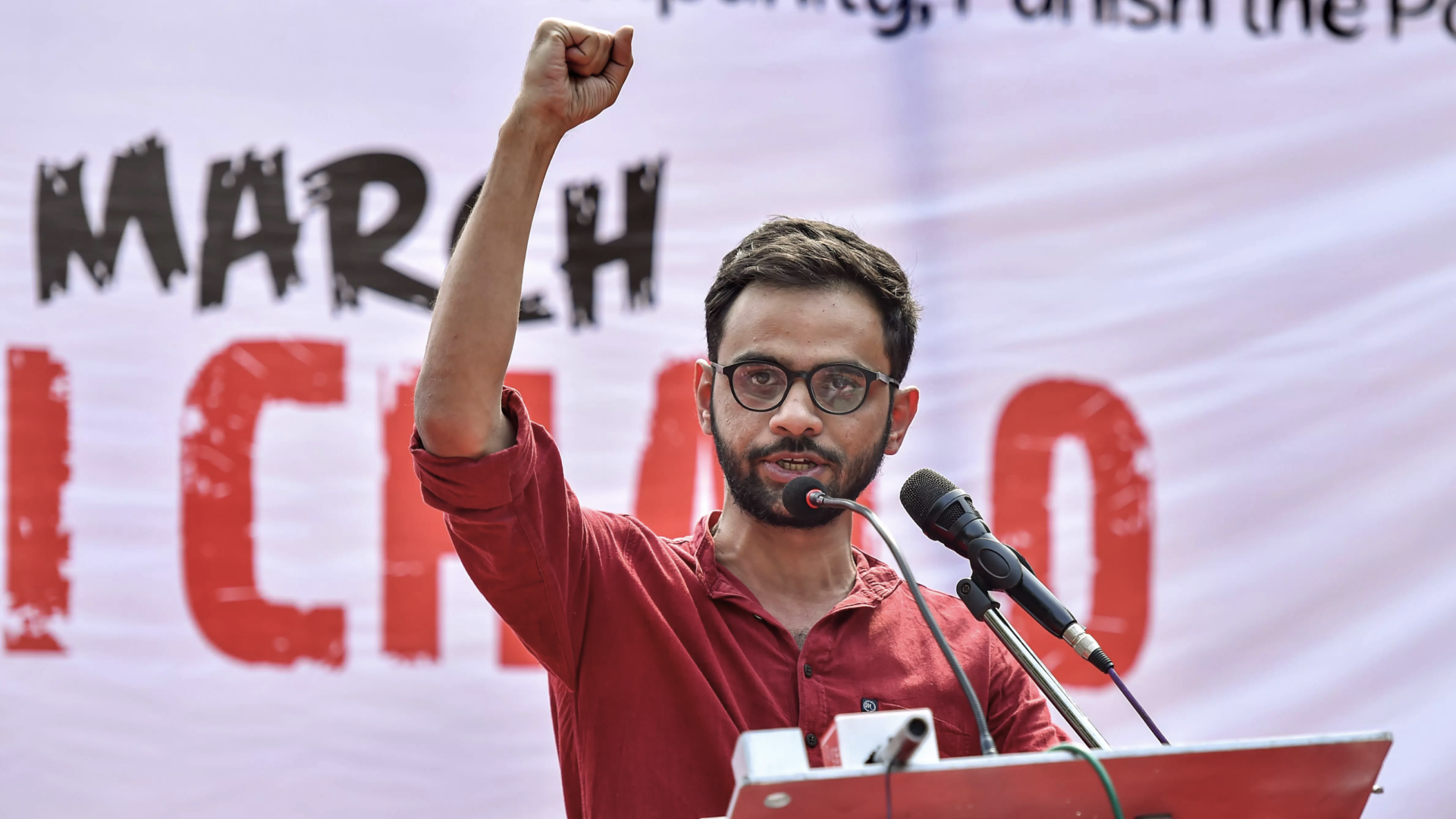

On January 5, 2026, the Indian Supreme Court denied bail to activist and scholar Umar Khalid, ensuring he remains in Delhi’s notorious Tihar jail. After more than five years of pre-trial detention — almost 2,000 days without a conviction — the decision to keep him behind bars is a normalization of “trial by jail.”
“We are not alive though we are living, and we are not in our graves though we are dead,” Khalid has written from the cell he finds himself in. Legal purgatory is where the process is the punishment.
Khalid was arrested in September 2020 following nationwide protests against the discriminatory Citizenship Amendment Act. The law expedites citizenship for six religious groups from select neighboring countries, but explicitly excludes Muslims. When Khalid and others protested the law, the regime responded with force. Khalid, along with 11 other activists, was hit with 29 charges, including terrorism and sedition. The Indian government targeted Khalid with the arbitrary Unlawful Activities Prevention Act, an intentionally vague law frequently used to silence dissenters.