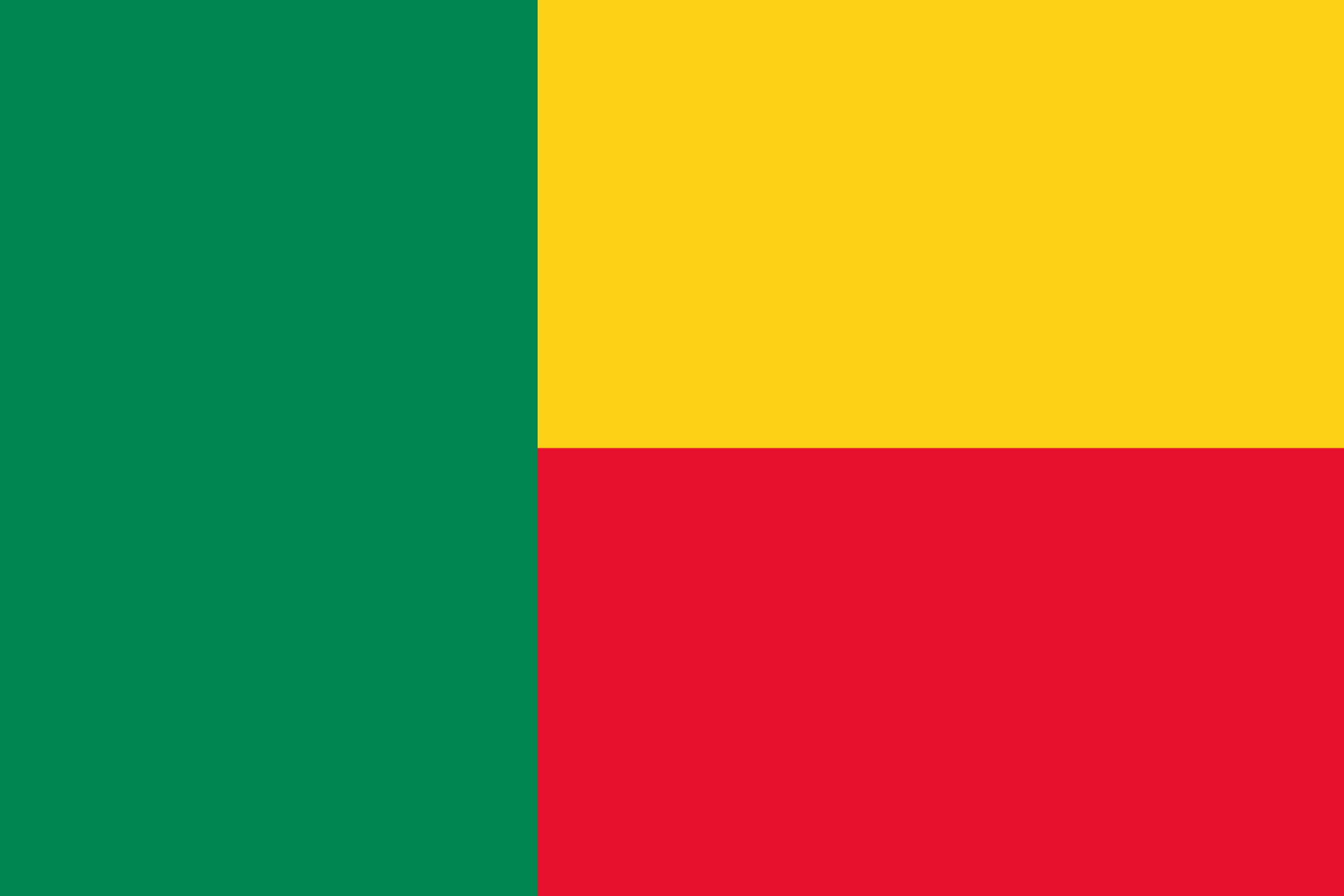
HRF classifies Benin as ruled by a fully authoritarian regime.
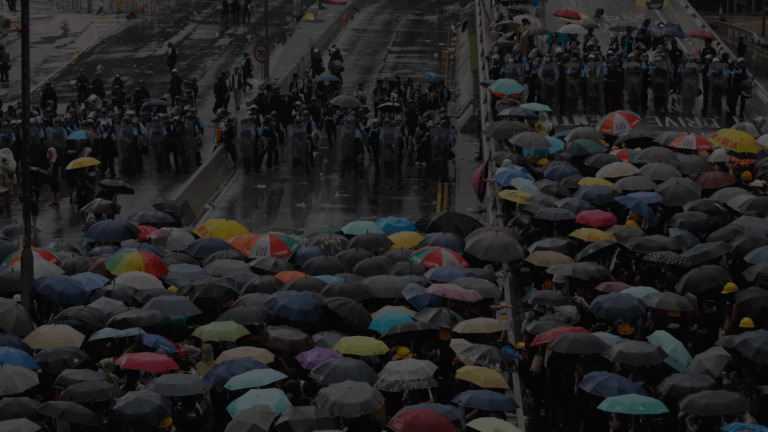
Benin is a republic with a presidential system of government. The Head of State, Patrice Talon, was elected in 2016 and claimed re-election in a sham 2021 poll. In the first decade after gaining independence from France in 1960, the country experienced six military coups before Mathieu Kérékou imposed nearly two decades of one-party rule. The country has undergone a significant political transformation over the past decade, shifting from a democratic model to one characterized by authoritarian rule. This change has seen power become increasingly concentrated in the hands of President Talon, effectively sidelining any opposition. There has also been political instrumentalization of the judiciary, and elections have been systematically biased due to restrictive electoral reforms that have excluded opposition candidates. Additionally, popular demonstrations have been met with violent repression. This political landscape is compounded by a growing insecurity in the country, which includes a rise in terrorism in the northern regions and an attempted coup d’état by the military in December 2025.
Key Highlights
Elections are a sham, to the point where the real, mainstream political opposition does not have a realistic chance to meaningfully compete and possibly win. The Talon regime has systematically barred opposition candidates from participating through judicial harassment and restrictive electoral laws. Additionally, it has taken control of independent electoral oversight through political appointments and direct executive interference and has engaged in electoral irregularities.
Independent media, political leaders, civil society leaders, organizations, and members of the general public face overt and systematic retaliation if they openly criticize or challenge the regime. The Talon regime has implemented measures that resulted in the shutdown of the country’s largest independent media organization. It has systematically targeted journalists and civil society organizations through restrictive regulations, violently responded to public demonstrations, and increasingly engaged in transnational repression by cooperating with other states.
Institutions largely fail to serve as independent checks on the regime. The regime has placed loyalists in key judicial positions, established a special criminal court to silence dissent under the guise of combating corruption and terrorism, and implemented restrictive electoral laws that have effectively excluded the opposition, allowing it to fully dominate the parliament.