HRF classifies Cameron as ruled by a fully authoritarian regime.
Cameroon is a republic with a presidential system of government. The Head of State, Paul Biya, took power in 1982, after the resignation of Cameroon’s first leader, Ahmadou Ahidjo. In 2025, he secured a contentious eighth consecutive term in highly disputed elections tainted by fraud. After gaining independence in 1960, Cameroon experienced 32 years of one-party rule, and despite the democratization process initiated in 1990, Biya’s ruling Democratic Rally of the Cameroon People (RDPC) has monopolized power and consolidated control over all branches of government. With no meaningful check to executive power, and an endemic culture of abuse, corruption, and clientelism, Cameroon has suffered a number of political, humanitarian, and security crises, including civil unrest stemming from protests and insecurity as a result of a terrorism from Boko Haram in the Far North region, and armed conflict in response to a secessionalist insurgency in the minority English-speaking Northwest and Southwest regions.
Key Highlights
Elections are a sham, to the point where the real, mainstream political opposition does not have a realistic chance to meaningfully compete and possibly win. Although national elections are consistently organized, the regime prevents the most serious opposition challengers from participating, obstructs their campaigning efforts, engages in large-scale electoral fraud, and fills the independent electoral management body with loyalists.
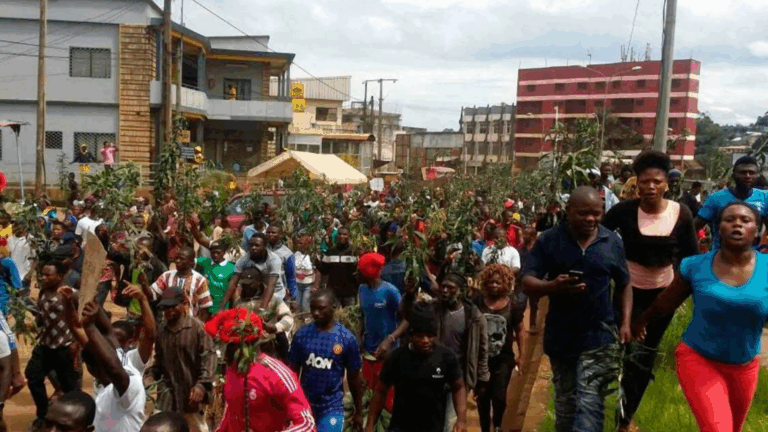
Independent media, political leaders, civil society leaders, organizations, and regular people face overt and systematic retaliation if they openly criticize or challenge the regime. The regime systematically responds to protests with extreme violence, shuts down independent organizations, and employs various measures, including arbitrary arrests, bans, and false charges, to intimidate and silence dissenting voices. Additionally, it engages in widespread censorship of content critical of the regime or that addresses sensitive topics, such as the anglophone separatist movement.
Institutions largely fail to serve as independent checks on the governing authority. Due to the regime’s takeover of state institutions, there is a complete lack of institutional accountability in the country. Courts have frequently and unfairly supported the regime’s efforts to undermine electoral competition and retaliate against individuals who openly oppose its most prominent and widely publicized policies. Moreover, state institutions do not hold regime officials accountable, and legislative bodies are particularly aligned with the regime’s agenda, merely rubber-stamping its policies without oversight.