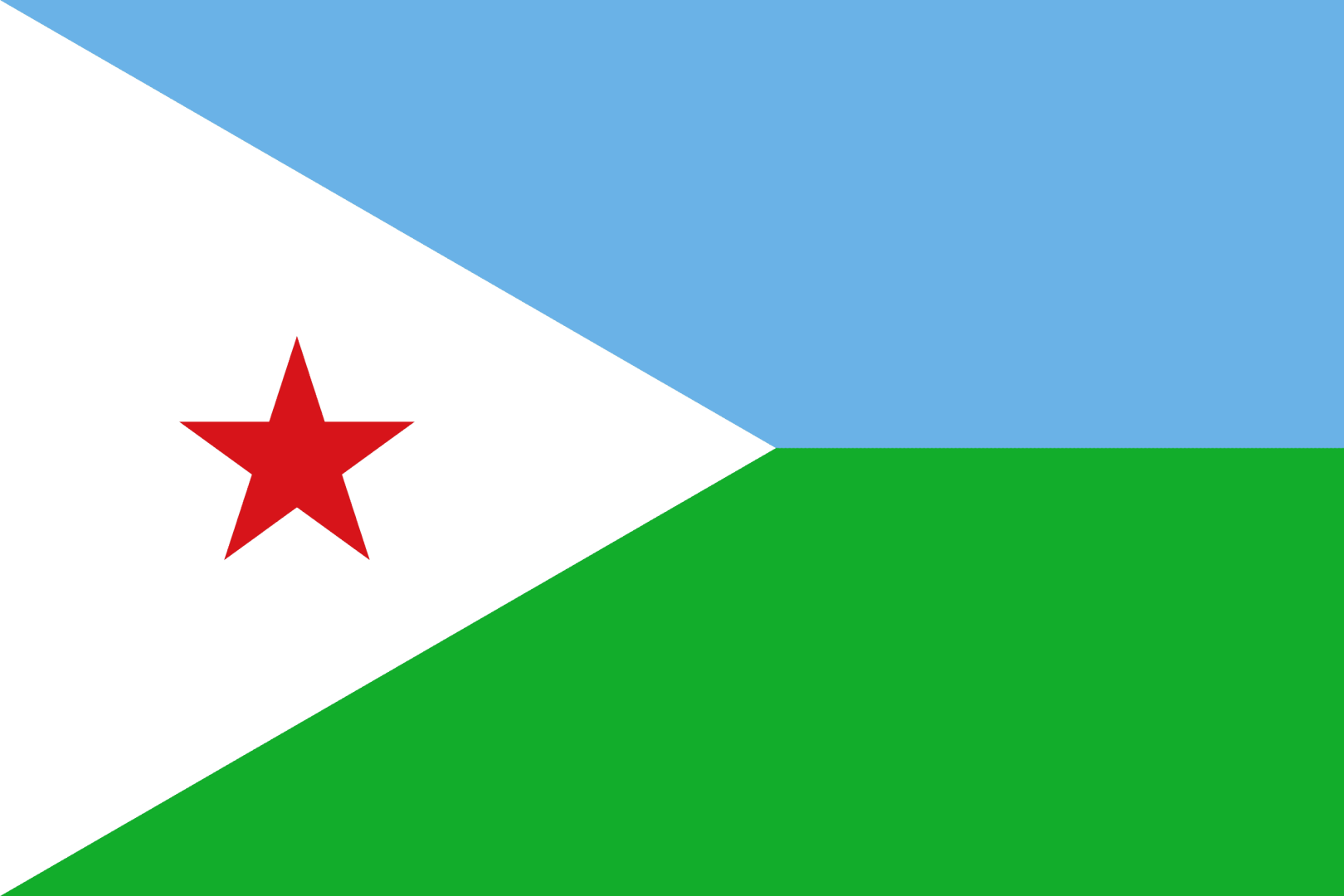
HRF classifies Djibouti as ruled by a fully authoritarian regime.
Djibouti is a semi-presidential republic. Since gaining independence in 1977, Djibouti has had only two presidents: Hassan Gouled Aptidon and Ismaïl Oumar Guelleh, who has been in office since 1999. Political power is divided between the two dominant ethnic groups, the Somali-Issas and Afars. However, the Issas usually hold the highest political position, and the Afars have long been relegated to a second-class status, a situation that has led to ethnic tensions in the 1990s.
Key Highlights
National elections are a sham, to the point where the real, mainstream political opposition does not have a realistic chance to compete or to win. Since its independence in 1977, Djibouti has been ruled by a single political dynasty hailing from the Issa community. The electoral process is not competitive, resulting in high vote shares. Other political parties have been barred from competing, and President Guelleh removed the presidential term limits in order to run and win a third term.
Independent journalists, opposition members, and regular citizens face overt and systematic retaliation if they openly criticize the regime. The Guelleh regime represses dissent and suffocates the political opposition with harassment, arbitrary detention, and torture.
Institutions largely fail to serve as independent checks on the regime. The judiciary fails to serve as a check on the regime’s ability to repress criticism and to significantly undermine electoral competition. Politically-motivated prosecutions are common, and due process is systematically denied.