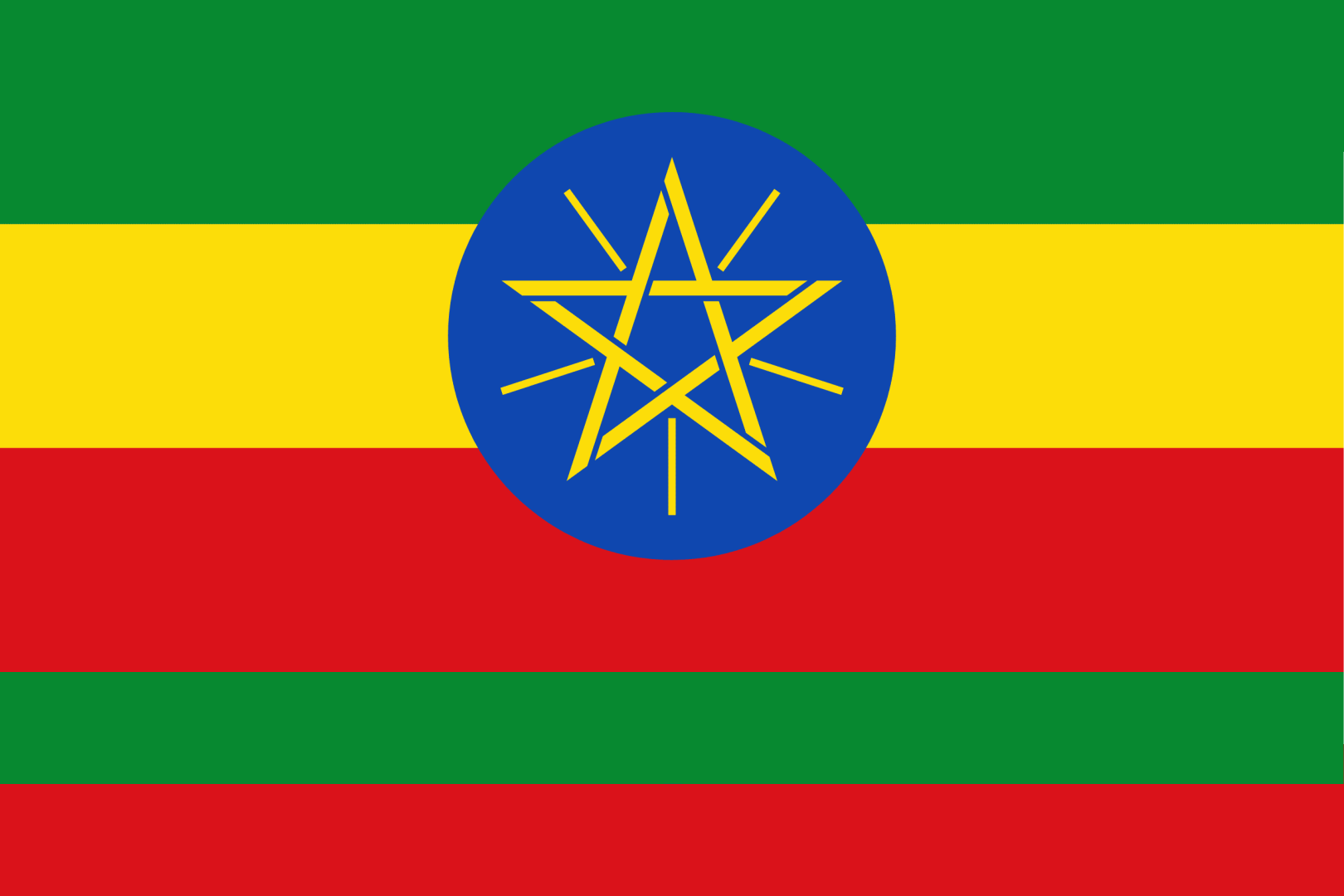
HRF classifies Ethiopia as ruled by a fully authoritarian regime.
Ethiopia is a parliamentary republic organized along ethnic federalism. The current Prime Minister, Abiy Ahmed, assumed power in 2018 following the resignation of Hailemariam Desalegn amid a wave of pro-democracy protests against the former ruling coalition of the Ethiopian People’s Revolutionary Democratic Front (EPRDF). Abiy initially ushered in democratic reforms, but he has since reverted to the authoritarian power consolidation of the EPRDF under a new ruling coalition called the Prosperity Party (PP). Since 2020, political tensions between the federal government and ethnic Tigrayan, Oromo, and Amhara opposition groups have sparked a major war in Tigray and armed insurgencies in Oromiya and Amhara.
Key Highlights
National elections in Ethiopia are a sham, to the point where the real, mainstream political opposition does not have a realistic chance to meaningfully compete and possibly win. While elections continue to take place, the regime has entrenched its advantage through sustained suppression of the opposition, restrictive laws that curtail meaningful political competition, and deliberate efforts to erode the independence of electoral oversight bodies. Since the first multi-party election in 1995, the ruling coalition—which transmuted from the EPRDF to the PP in 2018—has organized six elections in which it claimed on average 88% of seats in the federal parliament. The most competitive polls took place in 2005 when the opposition was credibly thought to have won the elections; however, the ruling coalition arbitrarily claimed victory amid a harsh crackdown on protests against electoral fraud. Since then, repression and manipulation of the electoral playing field have left the mainstream opposition severely weakened.
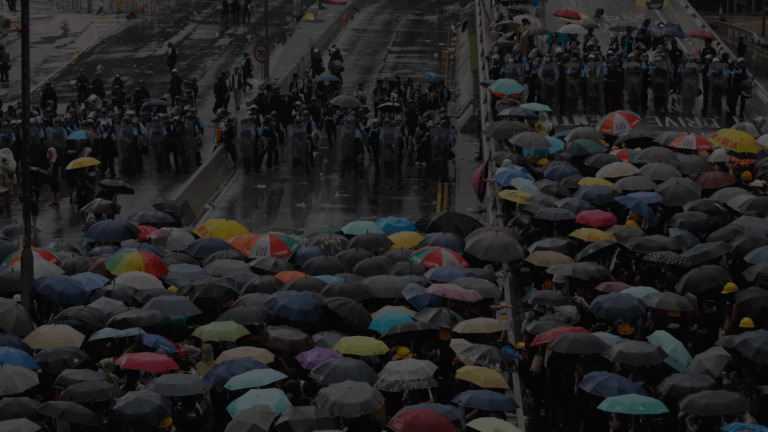
Independent media, political leaders, civil society leaders, organizations, and members of the general public face overt and systematic retaliation if they openly criticize or challenge the regime. Freedom of dissent is severely restricted under an increasingly authoritarian regime that systematically employs a spectrum of tactics to punish criticism, stifles independent voices, and criminalizes protests. The regime unfairly shuts down major independent dissenting organizations, heavily manipulates media coverage in its favor, seriously and unfairly represses protests, and seriously intimidates independent, dissenting media, political leaders, organizations, or members of the general public, and unfairly obstructs their work.
Institutions largely fail to serve as independent checks on the regime. The institutional framework is dominated by the executive, which has systematically subordinated the courts and legislature, allowing the regime to significantly undermine electoral competition, repress criticism, retaliate against dissent, or systematically weaken accountability mechanisms.