HRF classifies Guinea-Bissau as ruled by a fully authoritarian regime.
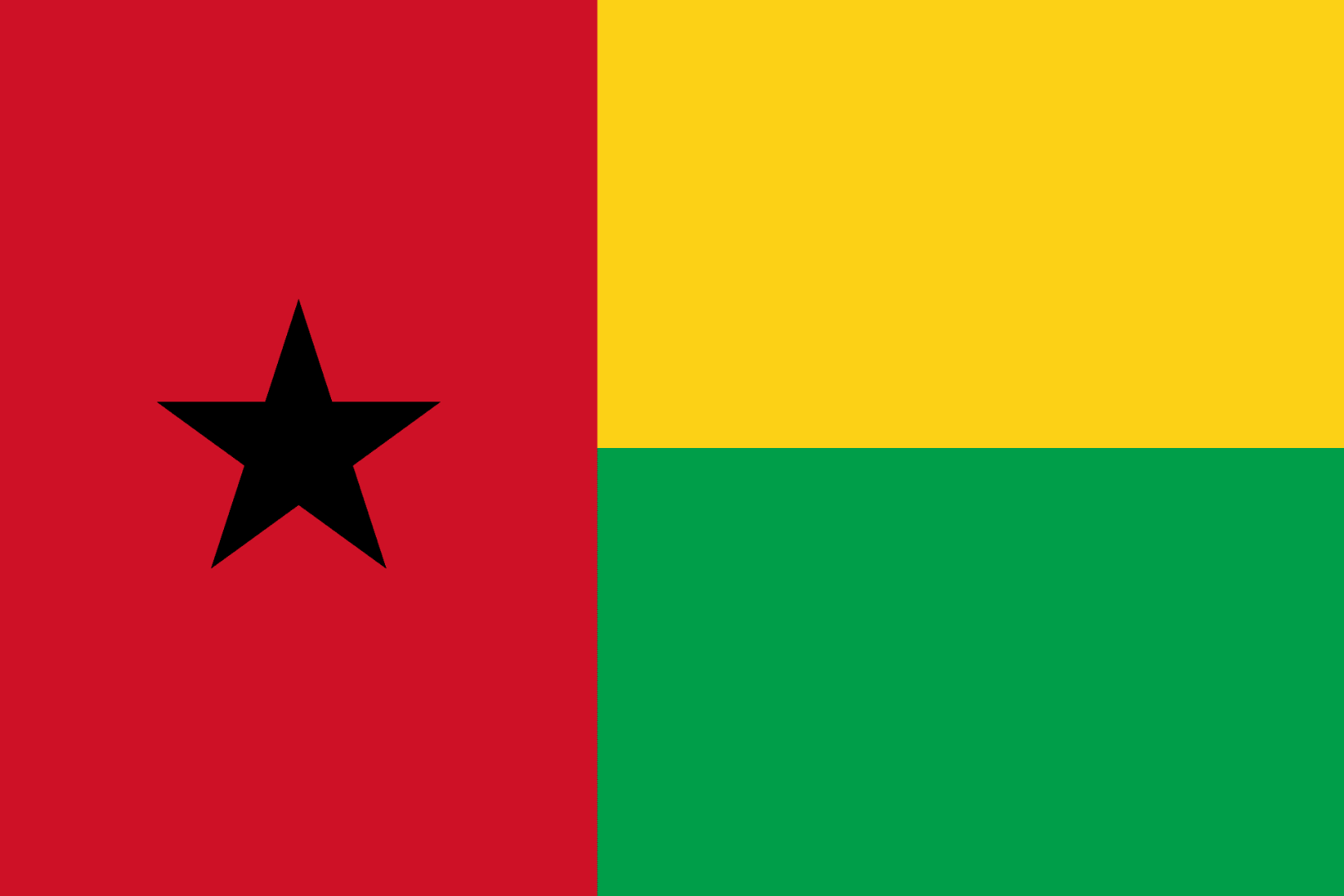
Guinea-Bissau is a semi-presidential republic. Since gaining independence from Portugal in 1973 through a war of liberation led by the African Party for the Independence of Guinea and Cape Verde (PAIGC), Guinea-Bissau has experienced chronic political instability with a series of successful and attempted coups, the deaths of three leaders in office, and a civil war. On November 26, 2025, three days after the elections, the president of Guinea-Bissau, Umaro Sissoco Embaló, was arrested as part of a coup d’état. The military took over the country and established control under General Horta Inta-A Na Man. The coup occurred a day before the results of the 2025 Guinea-Bissau general election, held on 23 November, in which Embaló was running for reelection.
Key Highlights
National elections are a sham, to the point where the real, mainstream opposition does not have a realistic chance to meaningfully compete and possibly win. The regime was overthrown in a coup in November 2025. Previously, the National Elections Commission (CNE) declared opposition challenger Embaló the winner of the contested 2019 presidential elections, but ignored injunctions by the country’s highest court to recount the votes. Embaló unilaterally seized power in February 2020 without the Supreme Court’s certification of the results and with a pending legal challenge filed by his opponent. Since seizing power, Embaló’s regime has manipulated the electoral calendar by repeatedly delaying elections, negating the opposition’s victories in the 2019 and 2023 legislative polls, and illegally maintaining power beyond his constitutional term.
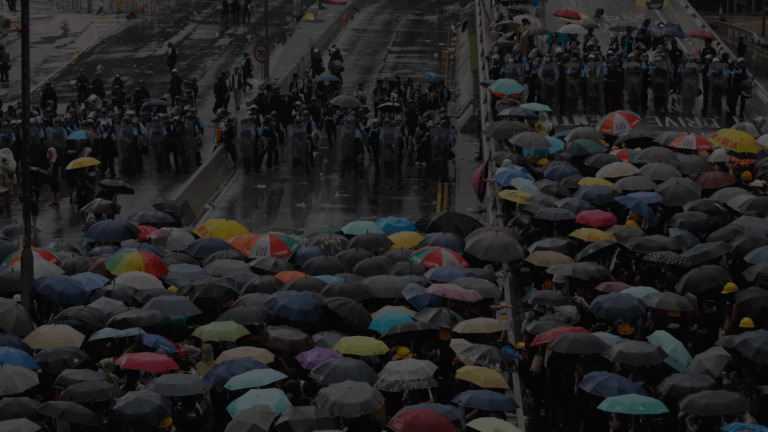
Independent media, political leaders, civil society leaders, organizations, and regular people face overt and systematic retaliation if they openly criticize or challenge the regime. The regime seriously and unfairly represses dissenting protests, intimidates journalists, and harasses dissidents. Freedom of expression is severely restricted, with journalists, civil society leaders, and ordinary citizens facing intimidation, harassment, and imprisonment for criticizing the regime. Independent media is subjected to government control, and dissenting voices risk severe reprisals.
Institutions largely fail to serve as independent checks on the regime. Courts frequently and unfairly failed to check the regime’s attempts to significantly undermine electoral competition or make the electoral process significantly skewed in its favor. The regime has seriously undermined judicial independence and frequently defied court orders in its disfavor. The regime has directed politically sensitive cases to separate, regime-controlled military courts.