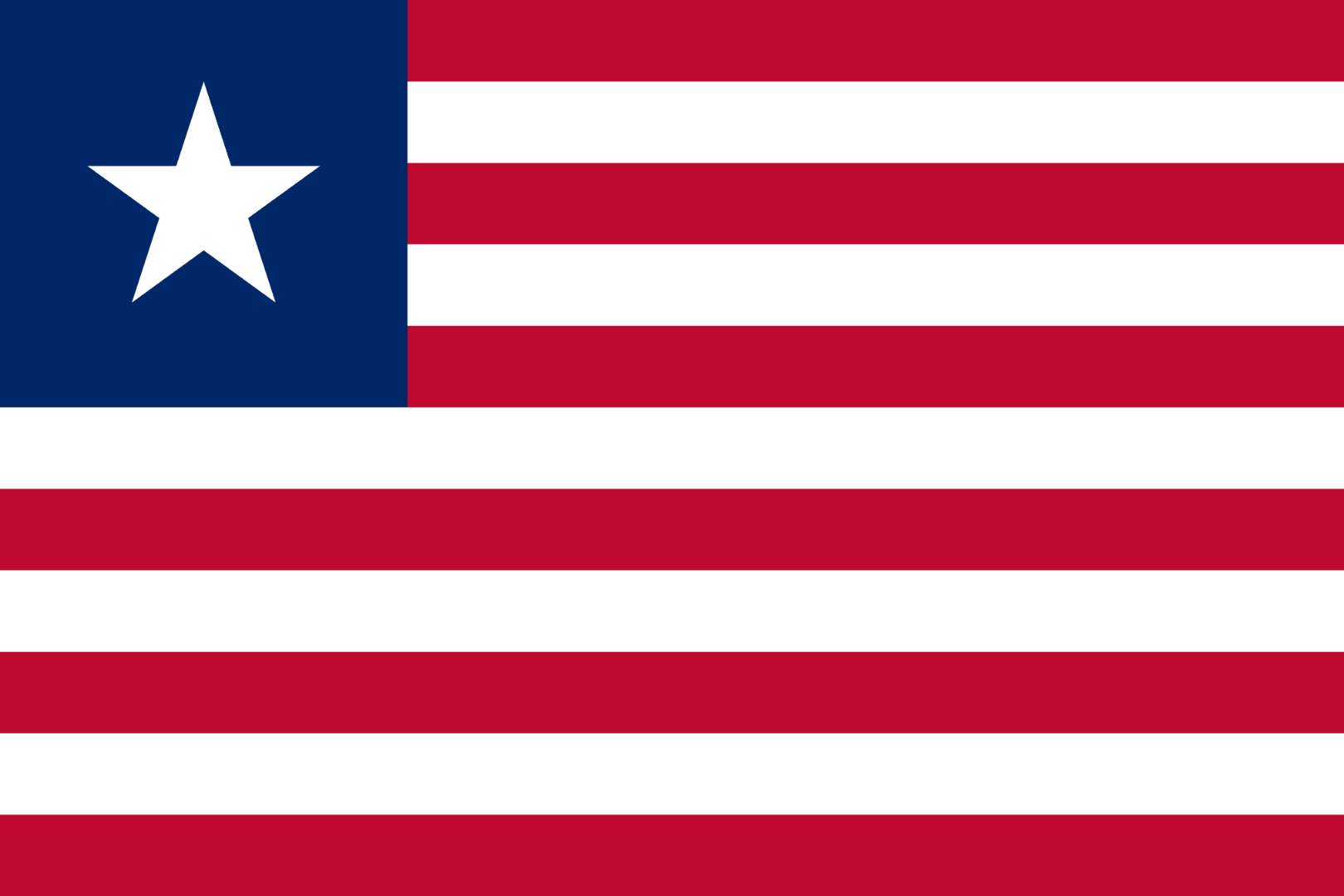
Founded by former slaves and free-born African Americans from the United States, Liberia achieved its independence as a state through a referendum in 1847, more than a century before the rest of Africa. Between 1980 and 2003, the country underwent two consecutive civil wars that resulted in 150,000 to 250,000 deaths and the displacement of half the country’s population. Although Liberia still grapples with corruption and a lack of accountability for past war crimes, the country has progressively evolved into a democracy with strengthened institutions and governance processes. Liberia is now a constitutional republic with a bicameral national assembly and a democratically elected president, as enshrined in the Constitution. Liberia’s 2017 election was recognized by international observers as the country’s first peaceful transfer of power since 1944.
Key Highlights
National elections are largely free and fair. Since 2017, Liberia has witnessed peaceful transitions of power between the two major political parties, the Unity Party (UP) and the Congress for Democratic Change (CDC), each having a realistic chance to win. However, the incumbent party, at times, benefits from unfair campaign advantages. The National Election Commission (NEC) was able to successfully manage the 2023 elections, though struggled somewhat to enforce accountability on campaign finance.
Independent media, political leaders, journalists, and regular people are largely free to openly criticize or challenge the government. Liberia has a vibrant media and civil society environment. The government’s decriminalization of defamation laws against the president and public officials in 2019 led to a shift from previous patterns of media persecution. Protests are largely able to occur peacefully, though they can at times become violent.
Institutions are largely independent and serve as effective checks on the government. The judiciary checks the electoral process and reform attempts by the executive. The government largely holds officials accountable, although corruption remains a pervasive issue. This can also contribute to dysfunction within the political system, such as in the political crisis caused by the House of Representatives from 2024 to 2025.