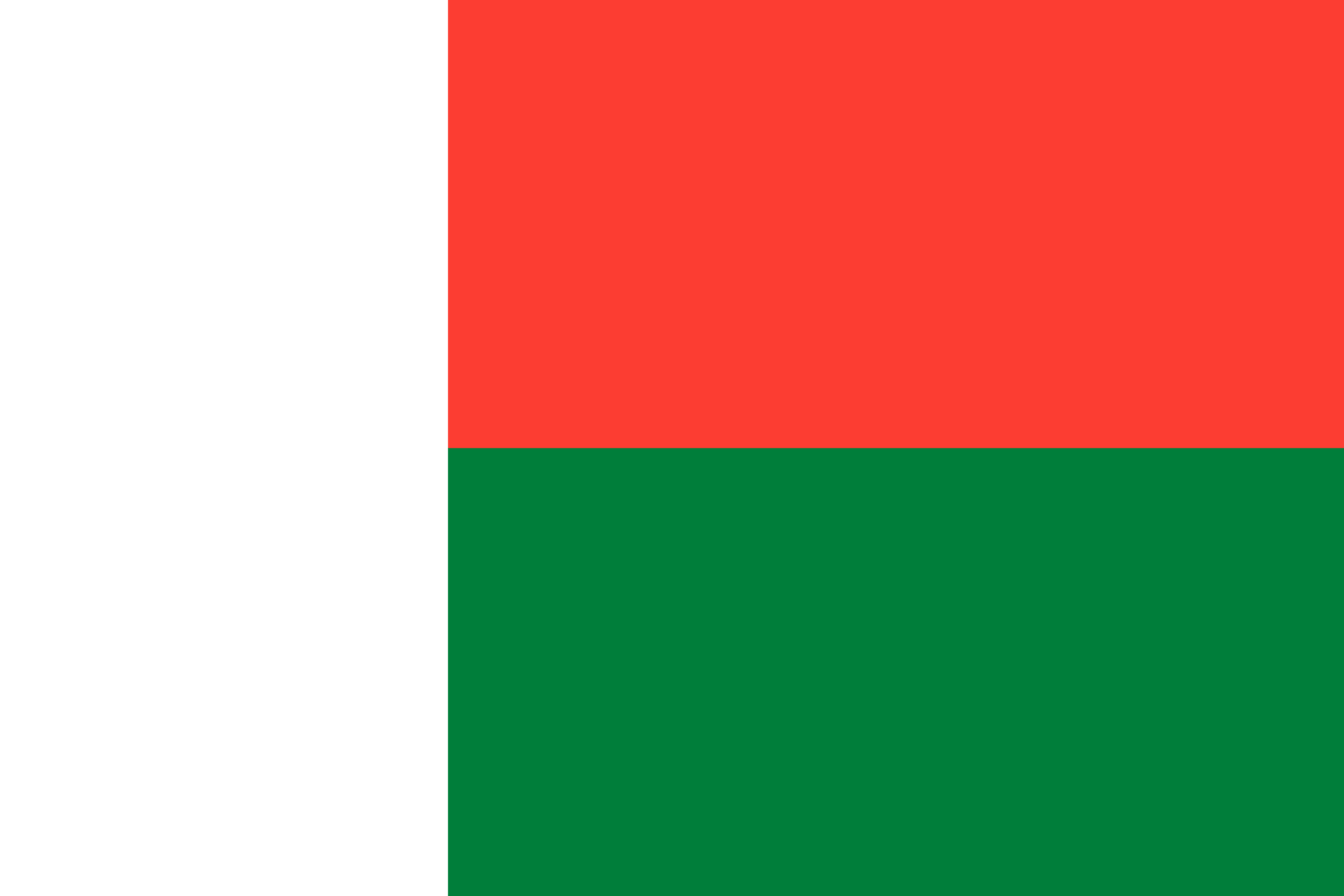
HRF classifies Madagascar as ruled by a fully authoritarian regime.
Madagascar is a semi-presidential republic. Madagascar’s post-independence history has been marked by recurring instability since 1960, including repeated coups, disputed elections, impeachments, and elite power struggles. Most recently, the government experienced a military takeover in October 2025, following weeks of youth-led protests over chronic power and water shortages, corruption, poverty, and governance failures. An elite military unit led by Colonel Michael Randrianirina seized control after a parliamentary vote to impeach President Andry Rajoelina, who then fled into exile. The African Union suspended Madagascar’s membership in response to the coup, and international actors, including the United Nations, have expressed concern about the unconstitutional change of government. Colonel Randrianirina’s regime has maintained control amid international condemnation and ongoing regional mediation efforts.
Key Highlights
Due to the October 2025 coup, national elections are absent, rendering moot assessment of electoral competition. The military coup overthrew President Andry Rajoelina following weeks of protests against service failures and corruption, leading to the suspension of key institutions and the installation of Colonel Michael Radrianirina as transitional leader with promises of elections within 18 to 24 months. Elections held prior to the coup were widely regarded as manipulated and fraught with irregularities.
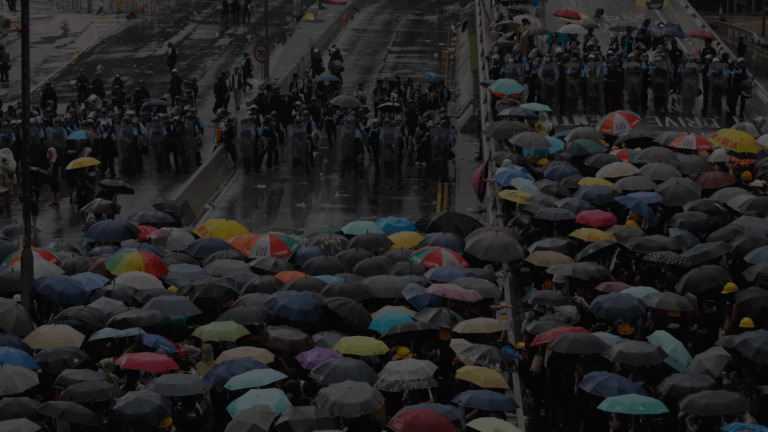
Independent media, political leaders, civil society leaders, organizations, and members of the general public are seriously and unfairly hindered in their ability to openly criticize or challenge the regime. Rajoelina’s regime systematically suppressed dissent and free expression in Madagascar by intimidating critics, capturing the media space, and prosecuting opponents under vague cybercrime and communication laws. Security forces frequently employed excessive force against protesters, notably during the 2025 Gen Z protests, which escalated into the military coup that ended Rajoelina’s rule.
Institutions are somewhat independent but frequently constrained by the regime. Madagascar’s judiciary and legislature were repeatedly undermined by executive influence during Rajoelina’s presidency. The High Constitutional Court (HCC) consistently dismissed significant electoral challenges, and courts routinely upheld vague or politically-motivated charges against dissenters. Legislative weakness and selective impunity perpetuated a culture in which individuals aligned with the regime enjoyed protection while opponents were systematically constrained.