HRF classifies Sierra Leone as ruled by a hybrid authoritarian regime.
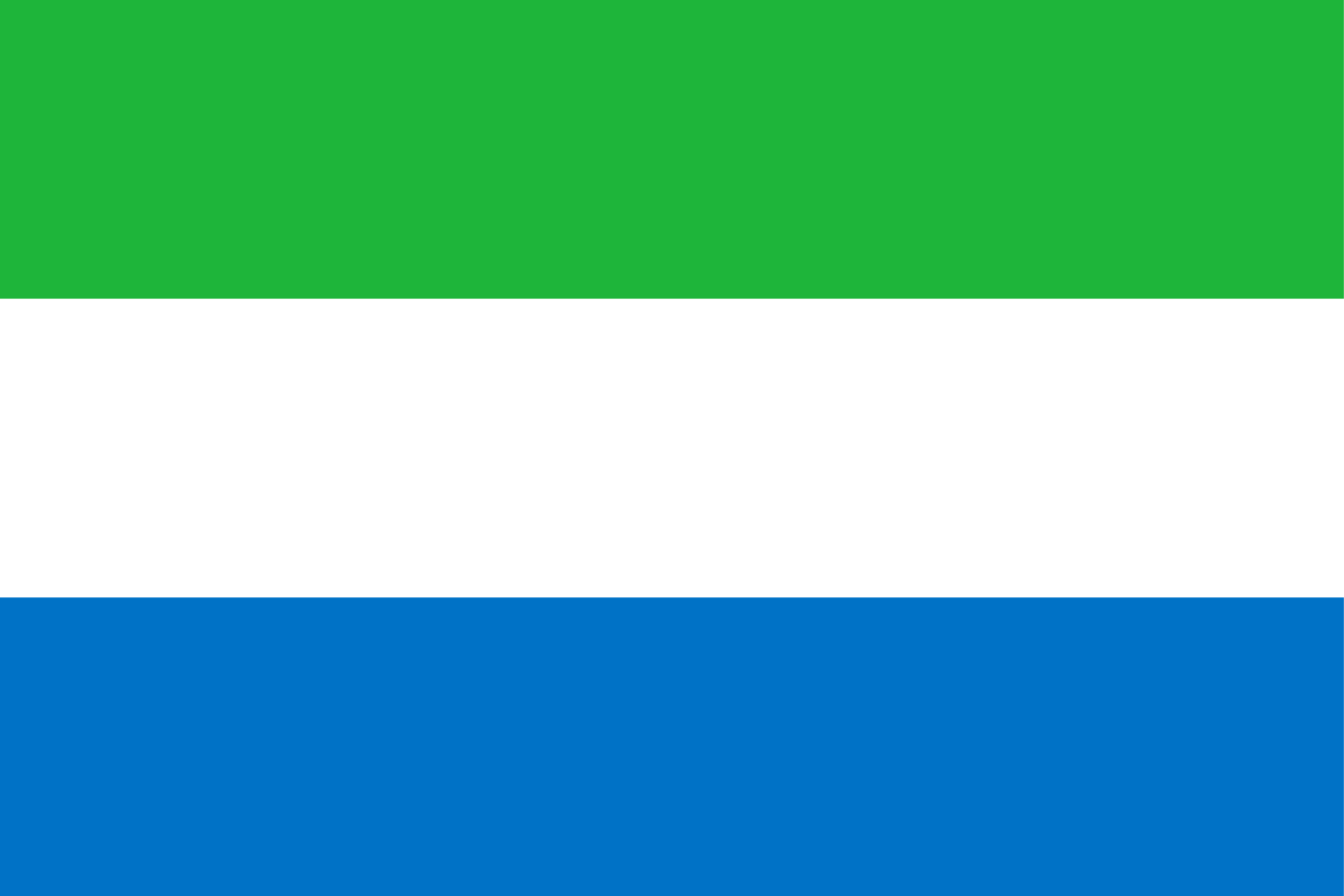
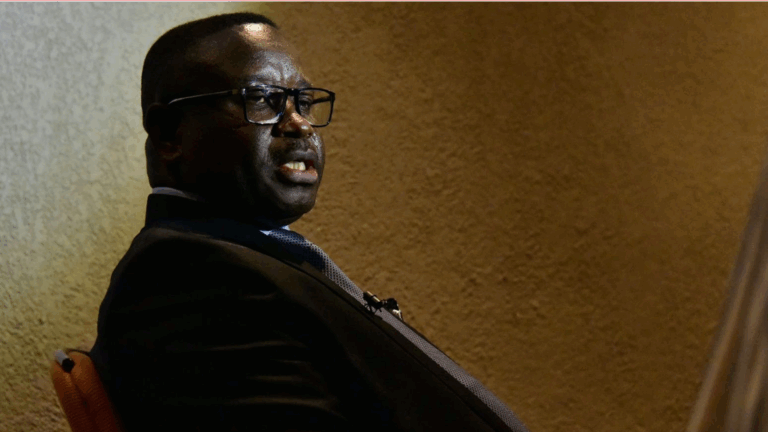
Sierra Leone is a presidential republic. Head of state Julius Maada Bio, a former coup leader and one-time brief military transitional ruler, was first democratically elected in 2018. Since gaining independence in 1961, the country has gone through periods of multi-party democracy, interrupted by several attempted and successful military coups, one-party rule, and 11 years of brutal civil war (1991-2002). Post-war Sierra Leone has seen the longest uninterrupted period of formal multipartism in the country’s history, with two dominant political parties alternating in power: the Sierra Leone People’s Party (SLPP) and the All Peoples Congress (APC). However, since taking power in 2018, Bio’s SLPP regime has steered towards authoritarian consolidation through legal and constitutional manipulation, institutional capture, and repression.
Key Highlights
Electoral competition is significantly skewed in favor of the ruling party, to the point where the real, mainstream political opposition has a highly unlikely, although realistic chance to win. The regime has hindered the mainstream opposition’s campaign, engaged in significant electoral law manipulation and voting irregularities, benefited from unfair campaign advantages, and undermined independent electoral oversight.
Independent media, political leaders, civil society leaders, and members of the general public are seriously and unfairly hindered in their ability to openly criticize or challenge the regime. Although citizens regularly demonstrate, authorities unfairly repress protests or gatherings through excessive use of force, broad curfews, communication shutdowns, denial of protest permits, and the targeting of protest organizers. The regime and its affiliated non-state actors have intimidated independent, dissenting media, political leaders, and members of the general public and unfairly obstructed their work to the extent that the overall ability to openly criticize the authorities has been notably hindered, though not completely eliminated.
Institutions are somewhat independent but frequently constrained by the regime in a way that enables it to repress criticism and significantly undermine electoral competition. The judiciary remains vulnerable to executive influence as the president appoints both judges and the members of the Judicial Service Commission that recommends them. It is a recurrent practice in Sierra Leone for a new administration, upon taking office, to replace key judicial and legal figures, especially the Chief Justice, Attorney General, and, at times, senior judges.