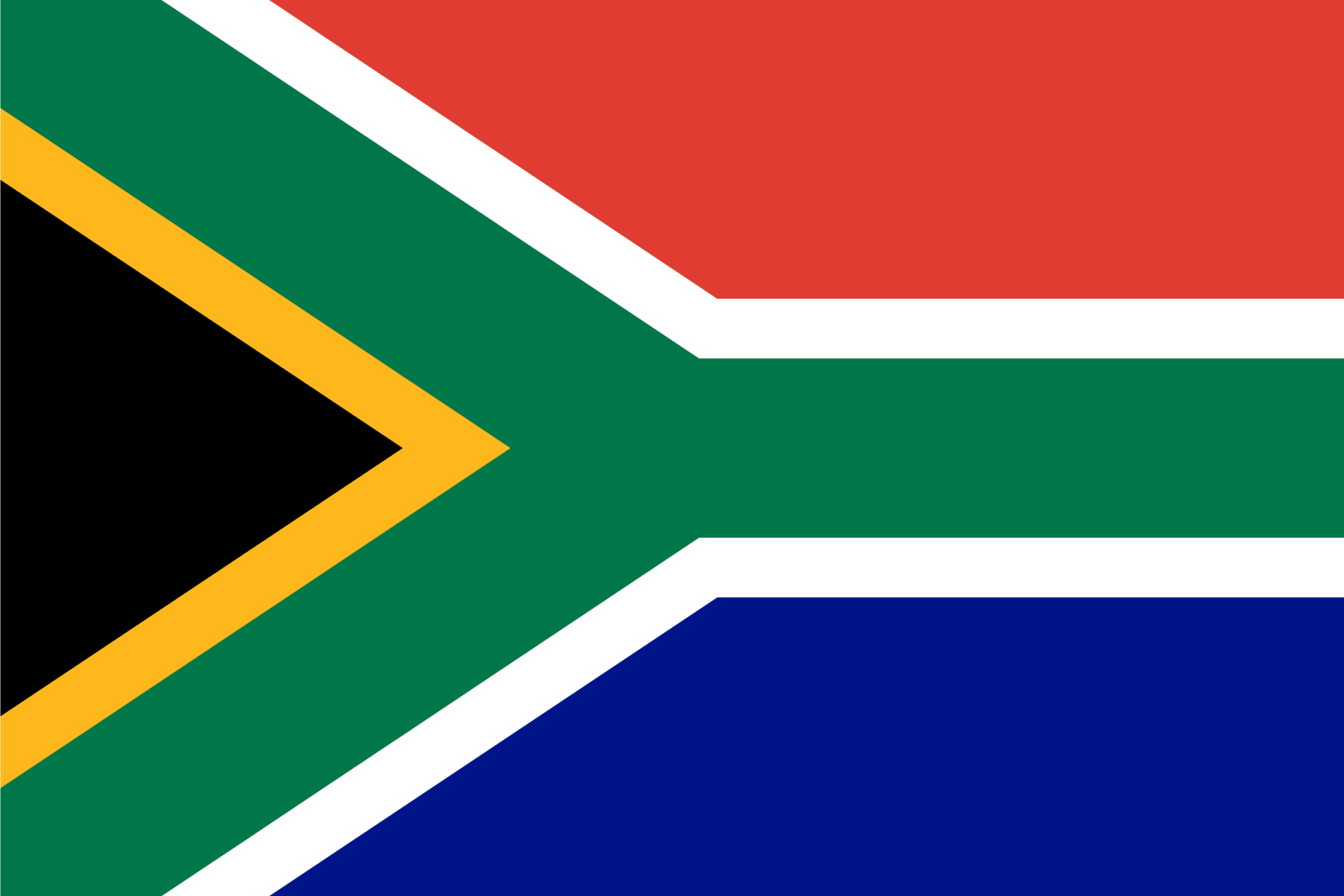
Since transitioning to a multiracial democracy in 1994, after decades of white minority rule under the repressive apartheid system, South Africa has held one of the most robust democratic political systems on the African continent. The 1996 constitution, the product of two years of all-inclusive public consultations, remains one of the world’s most advanced charters, with a Bill of Rights second to none. The separation of powers and independent judiciary have withstood threats to democracy emanating from extreme inequality, public corruption, and some administrations’ attempts to undermine checks and balances.
Key Highlights
Elections are largely free and fair. Political parties enjoy vibrant electoral competition marked by the protection of political rights such as freedom of speech, association, and assembly. Political parties are free to compete for public office, and the electorate can vote and determine the election outcome without coercion.
Independent media, political leaders, civil society leaders, organizations, and regular people are largely free to criticize or challenge the government openly. There is a vibrant, independent, and critical media, and regular protests are primarily peaceful and free from excessive force.
Institutions are largely independent and serve as effective checks on the government, consistently restraining attempts to repress criticism, undermine electoral competition, or weaken accountability mechanisms. It plays a crucial role in political and democratic oversight by examining the actions of the government and those of political entities.