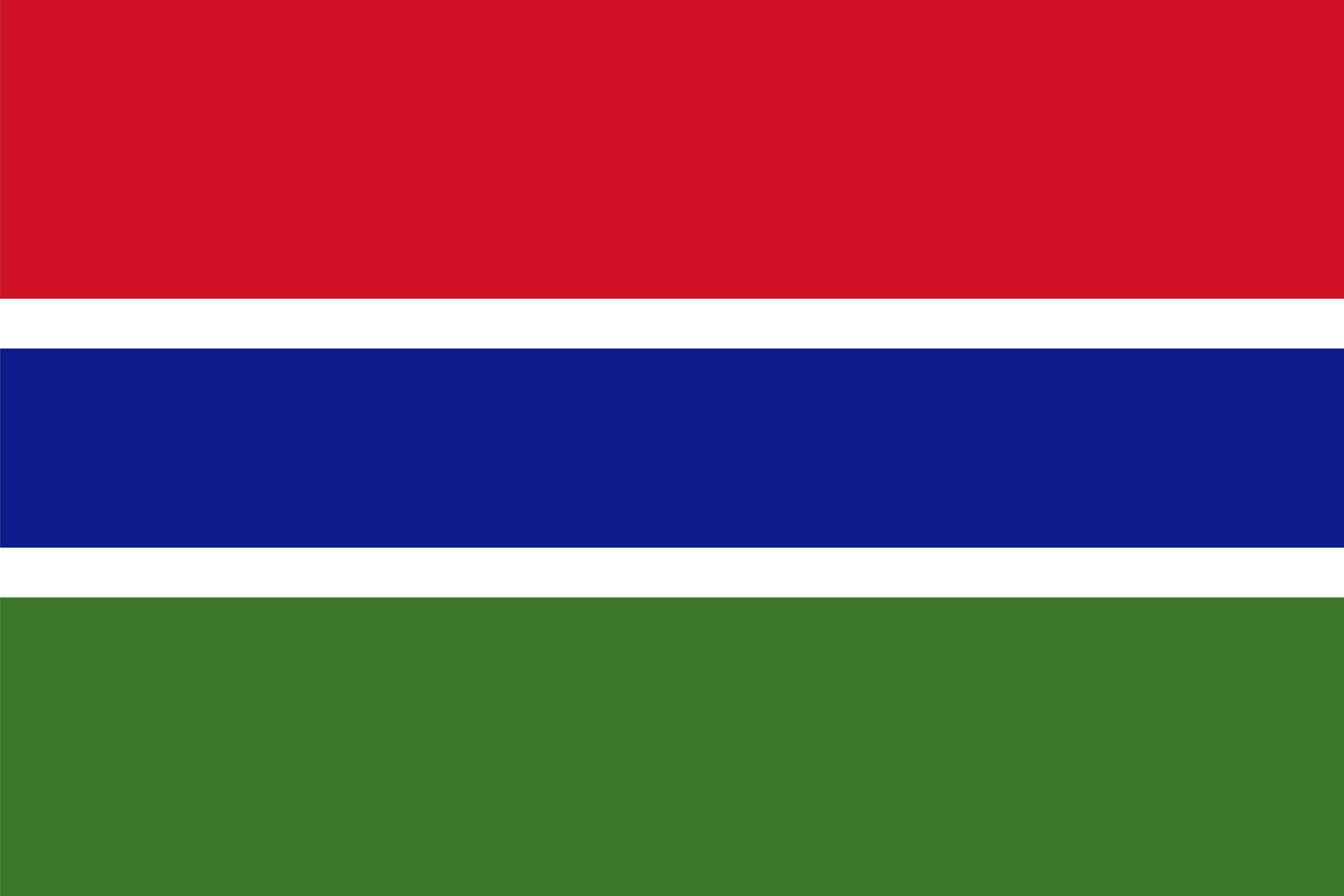
HRF classifies The Gambia as ruled by a hybrid authoritarian regime.
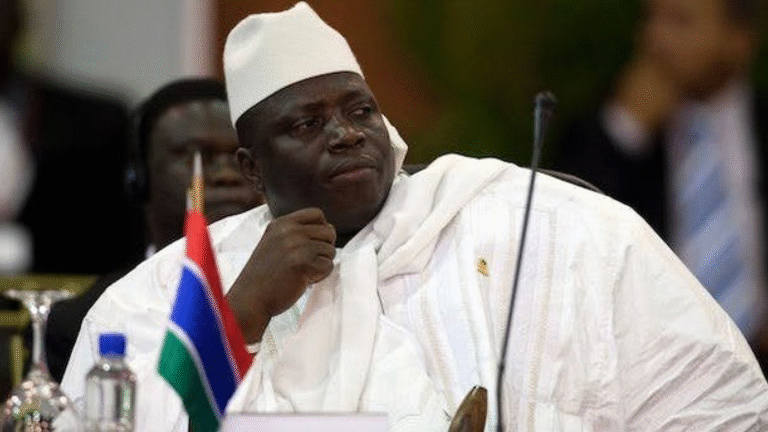
The Gambia is a republic that operates under a presidential system of government, where the president serves as both the head of state and the head of government. The current Head of State, Adama Barrow, was democratically re-elected in 2021 for his second term, following his victory over the former dictator Yahya Jammeh in the December 2016 election. Since gaining independence in 1965, The Gambia initially stood out as one of Africa’s few multiparty democracies under the leadership of Dawda Jawara. However, a coup d’état in 1994 led to Yahya Jammeh’s 22-year dictatorship. Since the end of long-term autocratic rule in 2016, the country has undergone a significant democratic transition. This transition has resulted in important developments, including more pluralistic elections, the establishment of the Truth, Reconciliation, and Reparations Commission (TRRC) to document past atrocities committed during Jammeh’s regime, an expanded space for civil society, and greater judicial independence. Despite these advancements, The Gambia still faces ongoing challenges, including weaknesses in the legal and institutional framework governing elections, pressure on media outlets and political critics, and occasional restrictions on protests and civil liberties.
Key Highlights
National elections are largely free and fair. Since the end of Jammeh’s autocratic rule in 2016, the country has undergone a democratic transition, allowing major opposition candidates to compete freely in national elections without facing hurdles from the regime. Although the ruling party enjoys campaign advantages by using state resources, it does not engage in significant electoral law manipulation, voting irregularities, or electoral fraud, making the elections largely competitive.
Independent media, civil society leaders, organizations, and members of the general public are seriously and unfairly hindered in their ability to openly criticize or challenge the regime. Despite the progress the country has made in expanding civic space, significant challenges remain. Journalists and civil society organizations often face intimidation, protests are repressed through administrative hurdles and police intervention, and legal restrictions inherited from the previous regime continue to silence dissenting speech.
Institutions are somewhat independent but frequently constrained by the regime. Executive overreach and imbalances in institutional power continue to pose significant challenges to democracy in The Gambia. The judiciary has experienced notable reforms but also faces capacity issues, highlighting both progress and ongoing concerns about its ability to effectively check the executive branch and protect individual rights. Political interference, along with practical challenges such as limited resources, infrastructure constraints, and a heavy workload, undermines the independence and operational effectiveness of judicial institutions. The parliament occasionally operates independently of regime influence; however, it is structurally limited by the president’s extensive constitutional authority. Oversight institutions are often constrained by the ruling power, which intervenes directly in their composition and may even remove independent key figures from their positions.