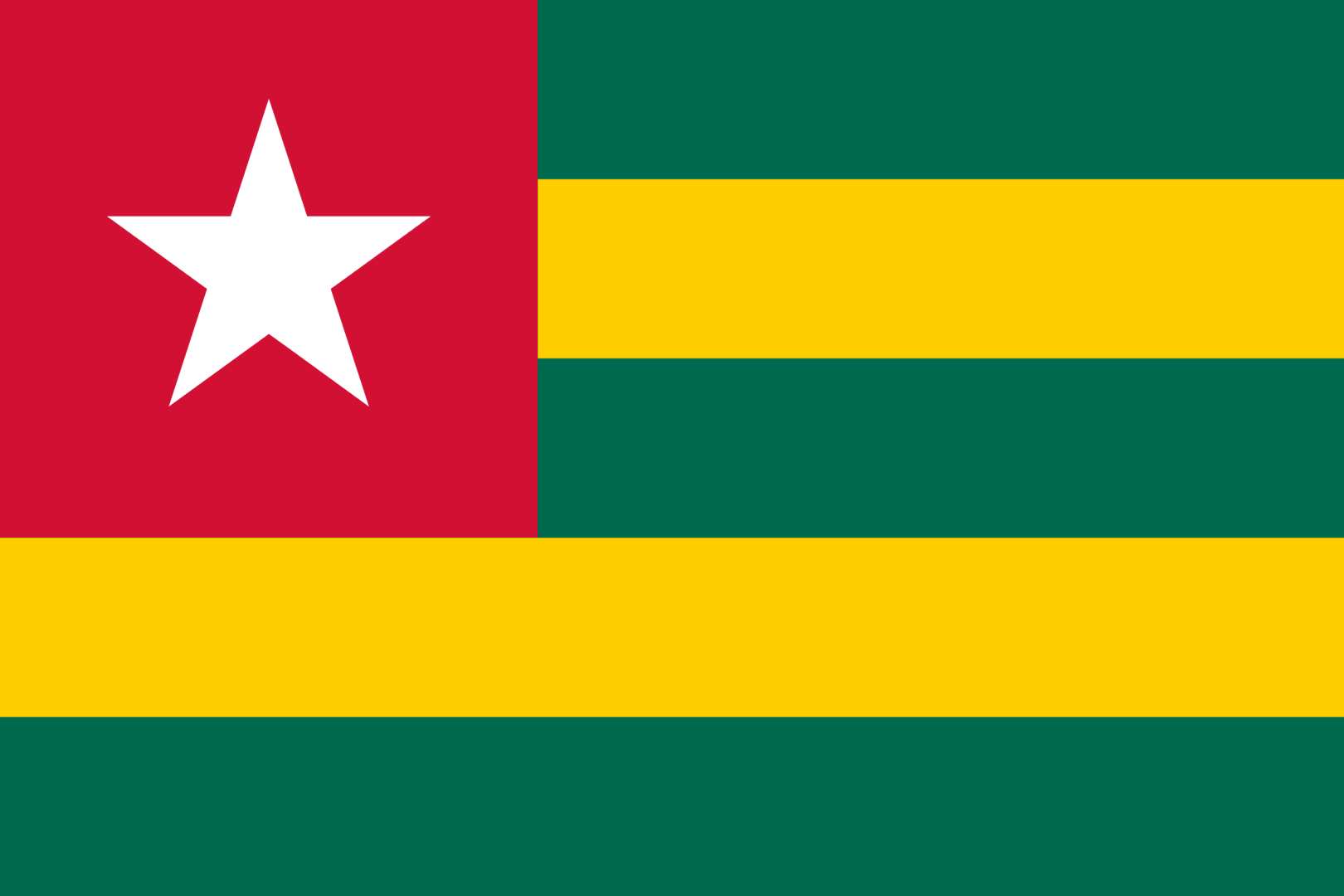
HRF classifies Togo as a fully authoritarian regime.
Togo transitioned in 2024 from a presidential to a parliamentary republic with a ceremonial Head of State, Jean-Lucien Savi de Tové, and an executive Head of Government, Faure Gnassingbé, with the title of President of the Council of Ministers. Faure has ruled the country since seizing power in a military-backed coup in 2005 following the death in office of his father, Gnassingbé Eyadéma. Togo became an independent nation in April 1960, but the January 1963 assassination of independence leader Sylvanius Olympio in a military coup plunged the country into four years of political instability. In 1967, Gnassingbé Eyadéma seized power in a second military coup, which marked the start of nearly six decades of dynastic rule by his family, extending to date with his son upon Eyadéma’s death in 2005. Despite the formal introduction of multi-party democracy in 1991, the ruling Gnassingbé family exercises absolute control of power under a highly patrimonial regime through constitutional manipulation and repression with the backing of the army, dominated by members of the northern Kabyé ethnic group.
Key Highlights
In Togo, elections are a sham, to the point where the real, mainstream political opposition does not have a realistic chance to meaningfully compete and possibly win. The ruling Union for the Republic (UNIR) has totally skewed the electoral playing field in its favor to the extent that elections are frequently boycotted by the opposition. In addition, it has heavily manipulated the constitutional and electoral legal framework and electoral constituencies, taken over electoral oversight, and obstructed independent electoral oversight.
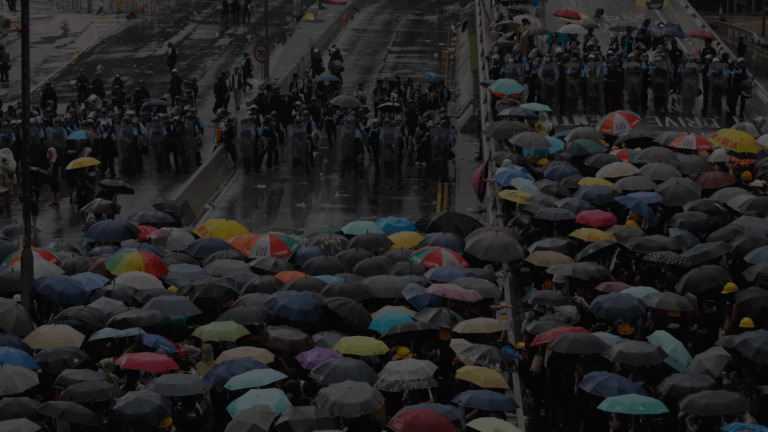
Togolese independent media, political leaders, human rights defenders, civil society organizations, and members of the general public face overt and systematic retaliation if they openly criticize or challenge the regime. Since the 1990s, the regime has systematically suppressed waves of mass national pro-democracy protests with arbitrary arrests and detentions and severe lethal violence. Dissenters’ freedom of assembly and association is severely restricted as ambiguous and draconian laws have been passed to criminalize dissent both offline and online.
Togolese institutions largely fail to serve as independent checks on the regime. Togo’s courts at every jurisdictional level validate the regime’s persecution of political dissidents, condemning activists and opponents of politically-motivated charges restricting the exercise of their fundamental freedoms, and frequently dismisses allegations of human rights violations perpetrated by security forces. The regime is frequently condemned by the Court of Justice of the Economic Community Of West African States (ECOWAS) for its persecution of regime dissidents. The institutional framework of the regime’s oversight bodies has been further weakened by the 2024 constitutional changes in all branches of government.