HRF classifies Uganda as ruled by a fully authoritarian regime.
Uganda is a presidential republic. The Head of State, Yoweri Museveni, seized power in an armed uprising in 1986. After gaining independence in 1962, Uganda experienced violent power struggles between strongmen Milton Obote, Idi Amin, and Museveni that culminated in Museveni’s triumph and power consolidation over the last four decades. Since the first direct presidential elections in 1996 and the resumption of multiparty politics in 2005, Museveni and the ruling National Resistance Movement (NRM) have maintained power through electoral authoritarianism, constitutional manipulation, patronage, and systematic repression of dissent.
Key Highlights
National elections in Uganda are a sham, to the point where the real, mainstream political opposition parties do not have a realistic chance to meaningfully compete and possibly win. The ruling National Resistance Movement (NRM) regime exerted partisan control of electoral oversight, unfairly skewed the electoral process and campaigning in its favor, intimidated its main opposition challengers, and staged unfair and non-transparent polls, which have been tainted with allegations of fraud, voter intimidation, and disenfranchisement.
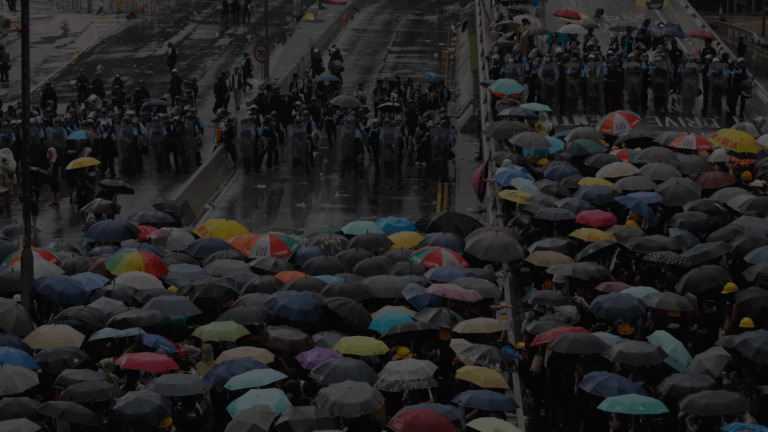
Independent media, political leaders, civil society leaders, organizations, and regular people face overt and systematic retaliation if they openly criticize or challenge the regime. Security forces systematically stifle dissenting protests and unsanctioned public gatherings with excessive force. The regime targets critics, political opponents, and independent civil society organizations with arbitrary detentions, house arrests, politically motivated prosecutions by both civilian and military courts, the application of repressive laws, the withdrawal of operating licenses, and public threats and smears.
In Uganda, institutions largely fail to serve as independent checks on the regime, allowing it to repress criticism or retaliate against those who express open opposition to its most prominent, widely-publicized policies, significantly undermine electoral competition, and consolidate the systematic dismantling of accountability mechanisms. Although courts occasionally issue dissenting judgments, these interventions have been insufficient to meaningfully check executive power or reverse the regime’s broader authoritarian practices.