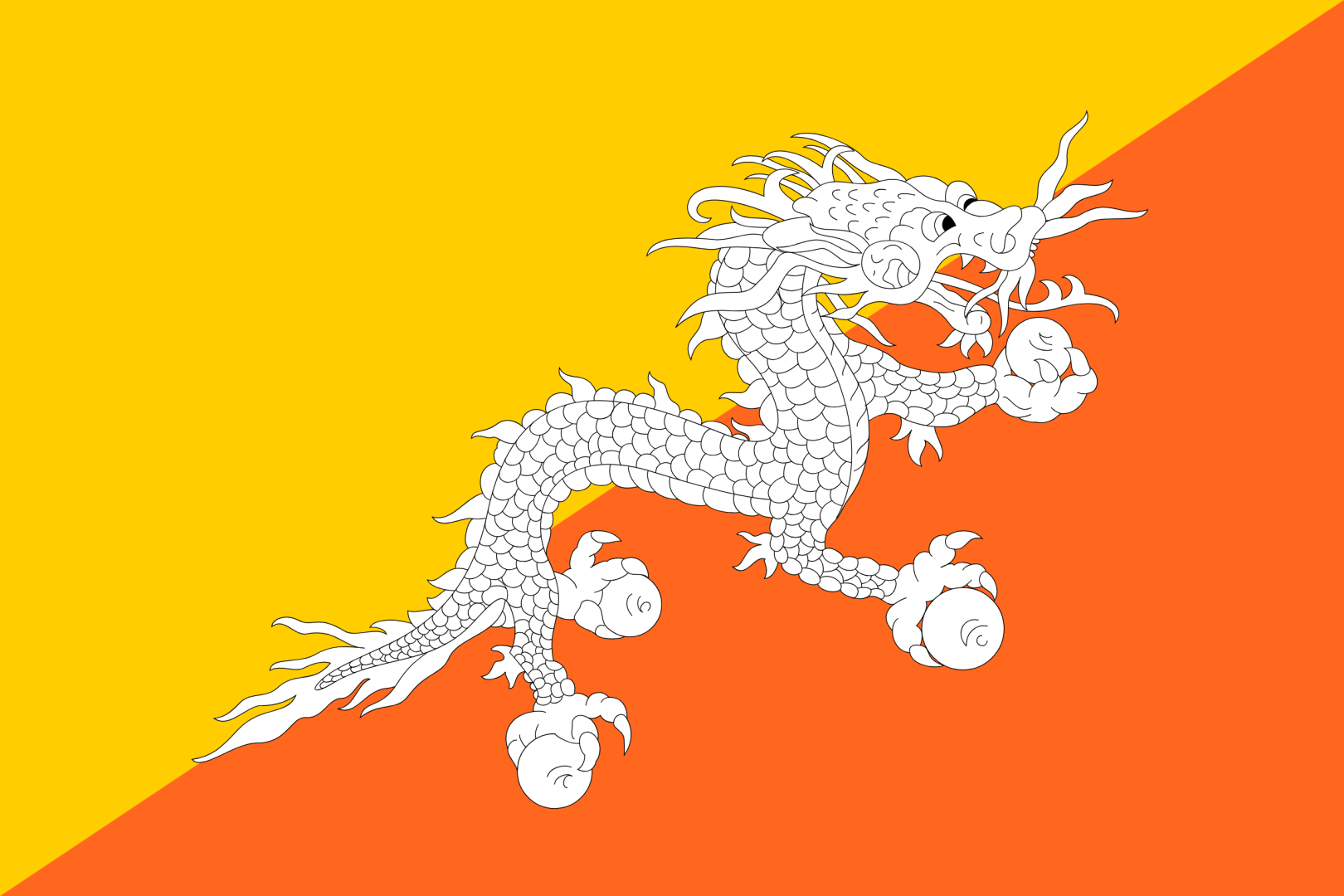
Bhutan transitioned into a constitutional monarchy in 2008, after over four centuries of ecclesiastical rule, where each administrative region was led by religious leaders and civilian rulers, and an absolute monarchy. It enacted its first constitution that same year, after nearly seven years of efforts by its fourth Druk Gyalpo, the official title for the monarch, to guide the advent of democracy in Bhutan. The constitution has provisions on Bhutan’s election system, human rights guarantees, and separation of powers. Bhutan’s democratic consolidation is widely regarded as one of the world’s most peaceful and successful.
Key Highlights
National elections are largely free and fair. All three of Bhutan’s elections since 2008 were won by a different political party, with modest margins of victory. The Election Commission of Bhutan (ECB) is a constitutionally independent election management body, and the opposition is involved in the appointment of commissioners. However, the disqualification of new and minor parties on eligibility grounds raises concerns about their ability to compete with larger parties in Bhutan’s nascent democracy.
Independent media, civil society organizations, and regular people are seriously and unfairly hindered in their ability to openly criticize or challenge the regime. While the government remains receptive to public criticism of its policies, it has created an unsustainable environment for independent media and skewed their competition with state-owned media, prompting multiple private, independent newspapers to shut down. It has put stringent limitations on the activities of civil society organizations (CSOs), keeping them from working on issues that defy government interests. Self-censorship is widespread.
Institutions are independent and largely serve as effective checks on the government. Aside from enjoying constitutional safeguards of independence, the judiciary and government have created additional rules and guidelines to allay criticisms regarding their proper and independent functioning. Courts have acquitted or dismissed dissent-related cases, thereby curbing any government attempt to suppress critical views, and held high-ranking authorities accountable without being retaliated against. There is a single instance of the court barring a minor party from participating in an election, but for reasons consistent with the domestic election regulations.