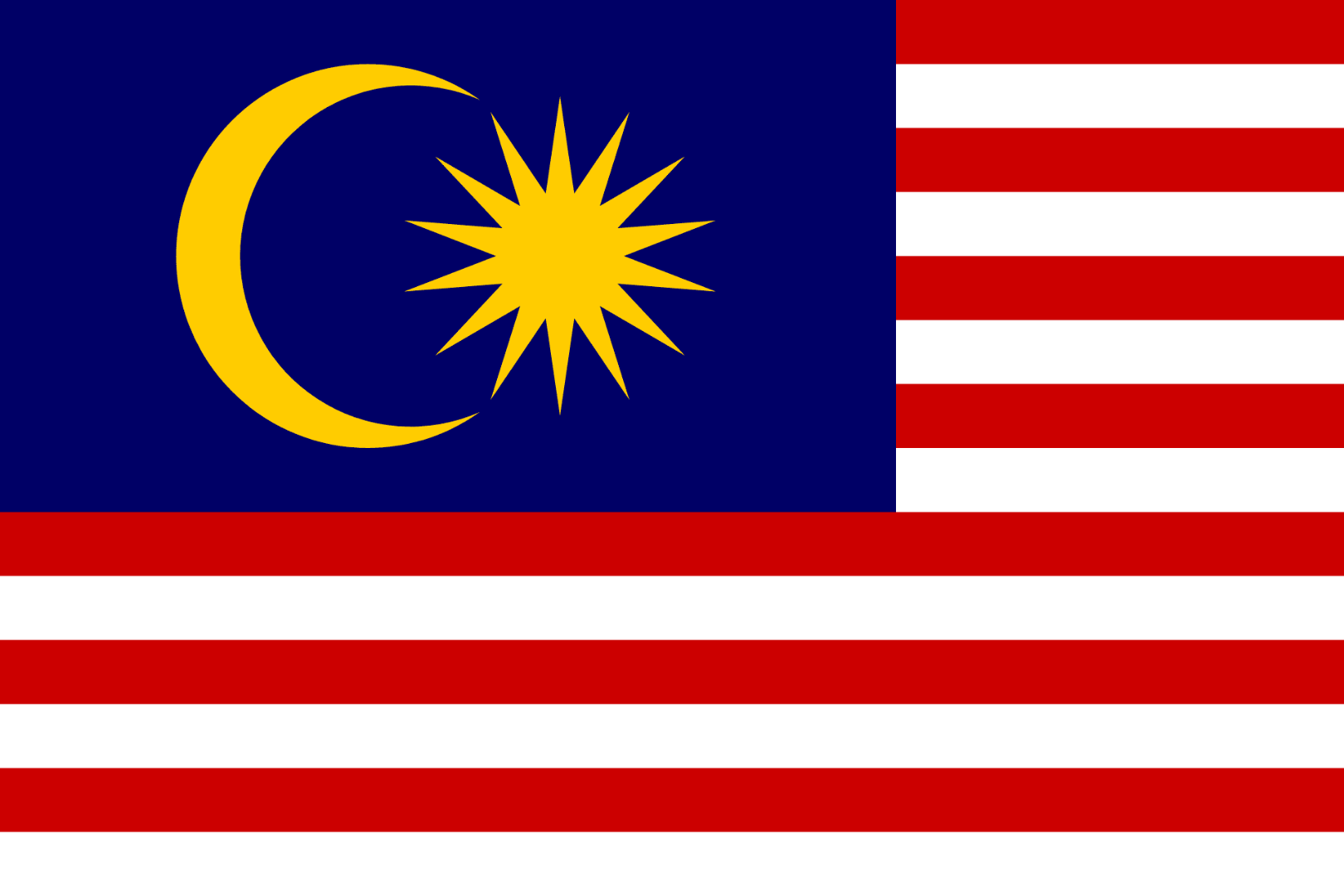
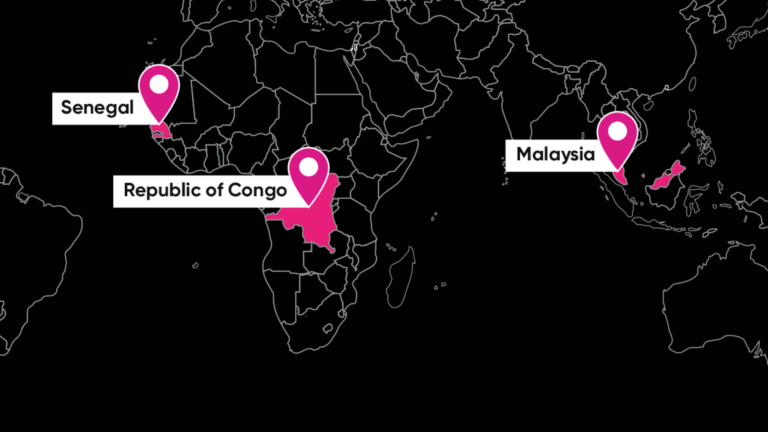
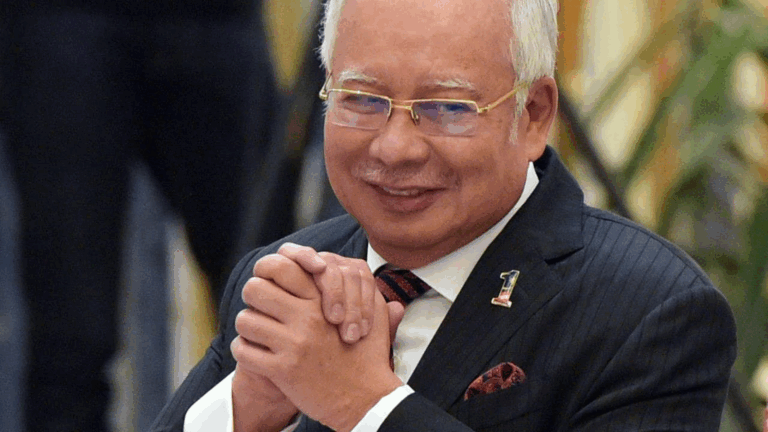
HRF classifies Malaysia as ruled by a hybrid authoritarian regime.
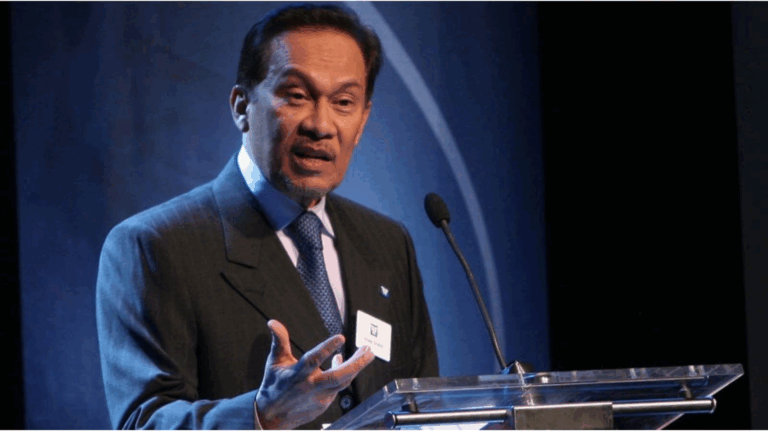
For over six decades after independence, Malaysia was ruled by the Barisan Nasional (National Front, BN) coalition, until a surprise victory by the rival Pakatan Harapan (Alliance of Hope, PH) coalition ended its monopoly of power in the 2018 general election, marking the country’s first peaceful transfer of power since 1957. The period that followed was characterized by sustained political infighting, leading Malaysia to change prime ministers three more times and allowing Barisan Nasional to briefly return to office in 2021. In 2022, Pakatan Harapan, led by former opposition leader Anwar Ibrahim, formed a government once again by joining hands with Barisan Nasional and other smaller parties.
Key Highlights
Electoral competition has significantly improved since 2018, shifting from a heavily skewed competition to one that is largely free and fair. The 2022 general election was marked by high levels of competition among parties on an equal footing, with limited advantages accruing to ruling-party candidates. Opposition campaigns, however, faced some obstruction from non-state actors online.
Independent media, political leaders, civil society leaders, organizations, and members of the general public are seriously and unfairly hindered in their ability to openly criticize or challenge the regime. Since the 2022 electoral turnover, the Anwar Ibrahim regime has continued to restrict freedom of assembly, even though some peaceful gatherings have occurred without interference. Sedition laws remain in force and are used against critics, while service disruptions have targeted independent media outlets critical of the government. New cybersecurity legislation has strengthened the regime’s capacity to censor dissenting speech online.
Institutions are somewhat independent but frequently constrained by the regime. Accountability mechanisms have been applied selectively, disproportionately targeting opposition leaders while favoring government officials. Judicial harassment against critics has continued under the incumbent government, although courts have at times issued rulings to protect freedom of expression. Executive control over appointments in the judiciary and oversight bodies remains in place, seriously limiting the impartiality of key institutions.