Country

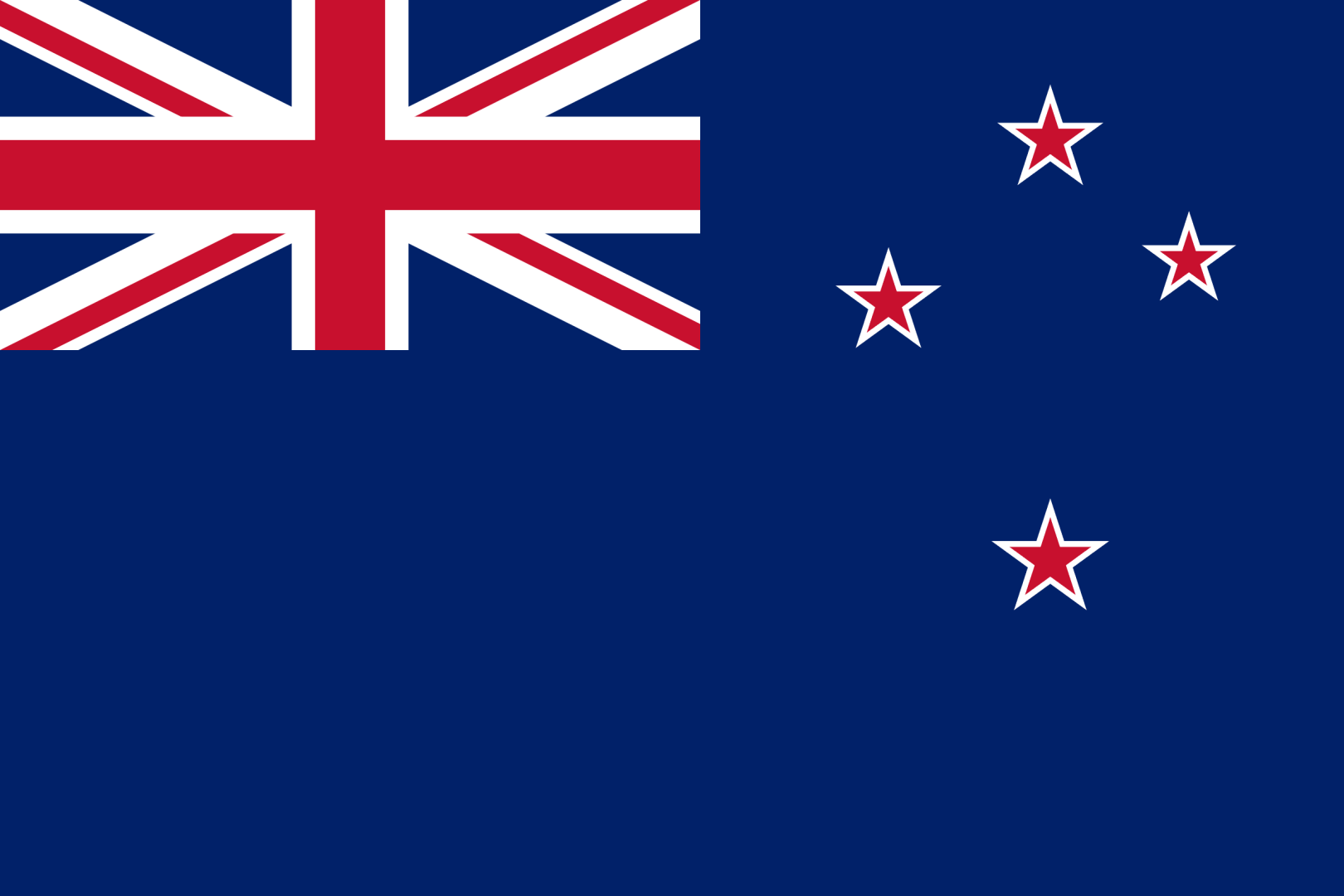
New Zealand

New Zealand

Democracy

New Zealand

0.06%

of the world’s population

5,287,480 people

Source: Tyranny Tracker

Overview

HRF classifies New Zealand as democratic.

Strong in its democratic institutions, New Zealand is a constitutional monarchy with a parliamentary democracy, led by Prime Minister Christopher Luxon of the National Party. Legislative power is vested in the House of Representatives, whose members are elected for three-year terms. While the British King Charles III is the formal head of state, he is represented by a governor-general, who has limited authority.

Key Highlights

National elections are largely free and fair. The country regularly undergoes peaceful power transfers between the largest and oldest political parties, Labour and National – each winning elections with slim margins that require them to form a coalition with minor parties to govern. The Electoral Commission (EC), in charge of administering the elections, ensures independent electoral oversight. Nevertheless, loose regulations around private donations are feared to benefit right-leaning parties unfairly.

Independent media, political leaders, civil society leaders, organizations, and regular people are largely free to openly criticize or challenge the government. The media landscape is vibrant, and civil society is rich. The government formulates and enforces speech laws with considerable restraint. However, it took particularly stern action against nationwide anti-vaccine protests that took place amid the surge of the coronavirus pandemic and turned violent.

Institutions are independent and largely serve as effective checks on the government. The judiciary checks the government in election and dissent-related cases.


Related Topics

Share

New Zealand Most Recent

Tyranny Tracker

A Democracy Index Built to Inform Action

New Zealand's Publications

Report
The CCP’s Deepening Footprint in Latin America and the Stakes for Democracy in the Region
Following a period of U.S. retreat that lasted until the end of 2025, and amid an ongoing realignment of the international democratic bloc, illiberal actors — particularly China, Russia, and their closest allies — continue to look for opportunities to gain influence and undermine institutions to their advantage, especially in middle-income countries, where American actions are viewed with disdain and alliances with alternative powers are seen as economic opportunities.
Sep 29, 2026
Report
AI for Activists: A Guide to Supercharging Your Movement with Artificial Intelligence
Artificial intelligence (AI) is often described as the most transformative technology of our time. Its meteoric development is reshaping industries, economies, and the way people work, communicate, and create. Governments are investing billions of dollars into it. Corporations are racing to build ever more capable AI systems. News headlines alternate between promises of extraordinary breakthroughs and warnings about existential risks.
Sep 22, 2026
Manipulation of Sustainable Development
Report
Manipulation of Sustainable Development: Framing of the UN SDGs by Authoritarian Regimes
The United Nations Sustainable Development Goals (SDGs) are global sustainability benchmarks adopted by the United Nations in 2015 to guide an inclusive and sustainable transformation by 2030.
Sep 17, 2026
Report
How the Regime in Equatorial Guinea Exploits Football
Equatorial Guinea’s regime has strategically exploited the global appeal of football as a political tool.
Jun 23, 2026

How can we help?

Hit enter to search or ESC to close

Join the cause by subscribing to our newsletter.

Email Us