HRF classifies the Philippines as ruled by a hybrid authoritarian regime.
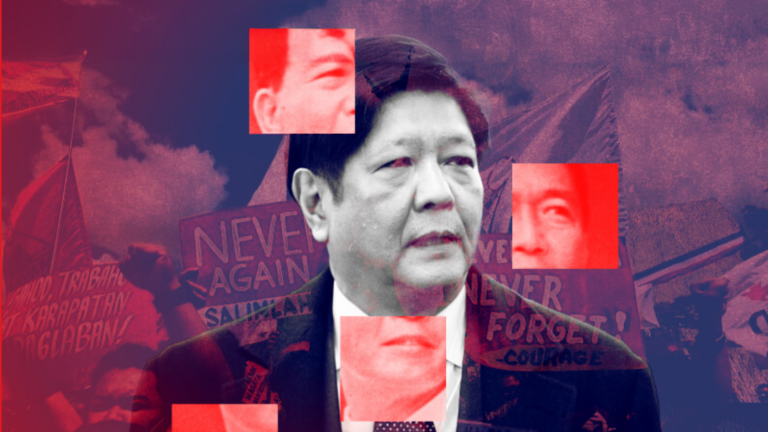
For two decades until the 1980s, the Philippines was ruled by the dictatorship of Ferdinand Marcos. His eventual ouster in 1986 kick-started the country’s democratic transition, and a new constitution was adopted in 1987 to limit executive powers, improve overall checks and balances, and strengthen basic freedoms. In 2022, Marcos’ son, Ferdinand “Bongbong” Marcos Jr., was elected president, bringing an end to the rule of his predecessor, Rodrigo Duterte – who has become notorious for his “war on drugs,” described as “the worst human rights crisis in the country post-Martial Law.” His running mate and current vice president is Sara Duterte, the daughter of Rodrigo Duterte – indicating that Philippine politics remains dominated by dynasties, with the Marcos and Duterte families shifting between alliances and rivalries.
Key Highlights
National elections are largely free and fair. They allow for incumbent turnover, and winners typically lead with narrow margins. However, the elections continue to be dominated by wealthy and influential political clans who benefit from vast patronage networks. Disinformation campaigns propagated by both Rodrigo Duterte and Marcos Jr. during their respective presidential bids undermined the integrity of the electoral process.
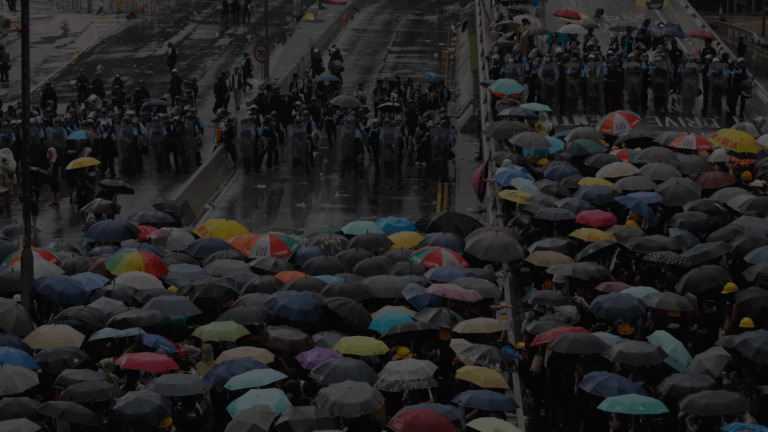
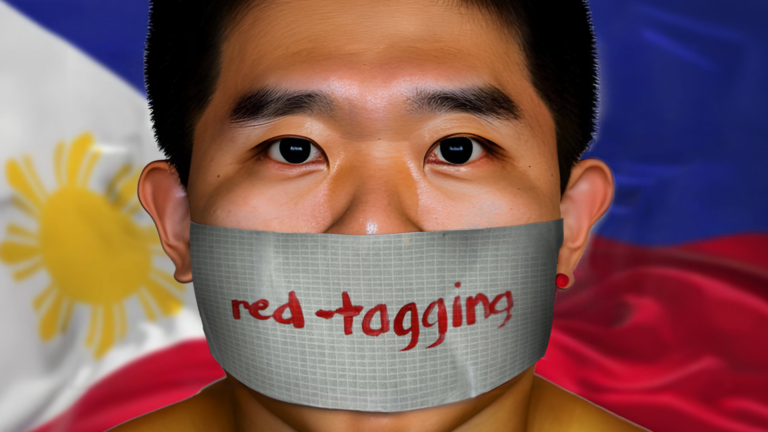
Independent media, political leaders, civil society leaders, organizations, and members of the general public are seriously and unfairly hindered in their ability to openly criticize the government. The Duterte administration that exited in 2022 oversaw a marked escalation in attacks against critics. There have been isolated improvements in the civic space since Marcos Jr. assumed power, but Duterte’s legacy of repression – including the red-tagging of dissidents, assaults on press freedom, repressive legal frameworks, and impunity for police brutality and gross rights violations – is largely unaddressed. The Philippines still boasts a resilient civil society and media landscape despite shortcomings.
Institutions are somewhat independent but frequently constrained by the government. Courts have increasingly sided with dissidents in salient cases since a new Chief Justice was appointed in early 2021 and the subsequent presidential succession. The direct encroachment on judicial powers emblematic of the Duterte era has largely subsided. Under Marcos Jr., however, courts remain hesitant to hold individuals affiliated with the regime accountable for graft and human rights abuses. Independent bodies also remain vulnerable to political appointments that raise concerns about their independence.