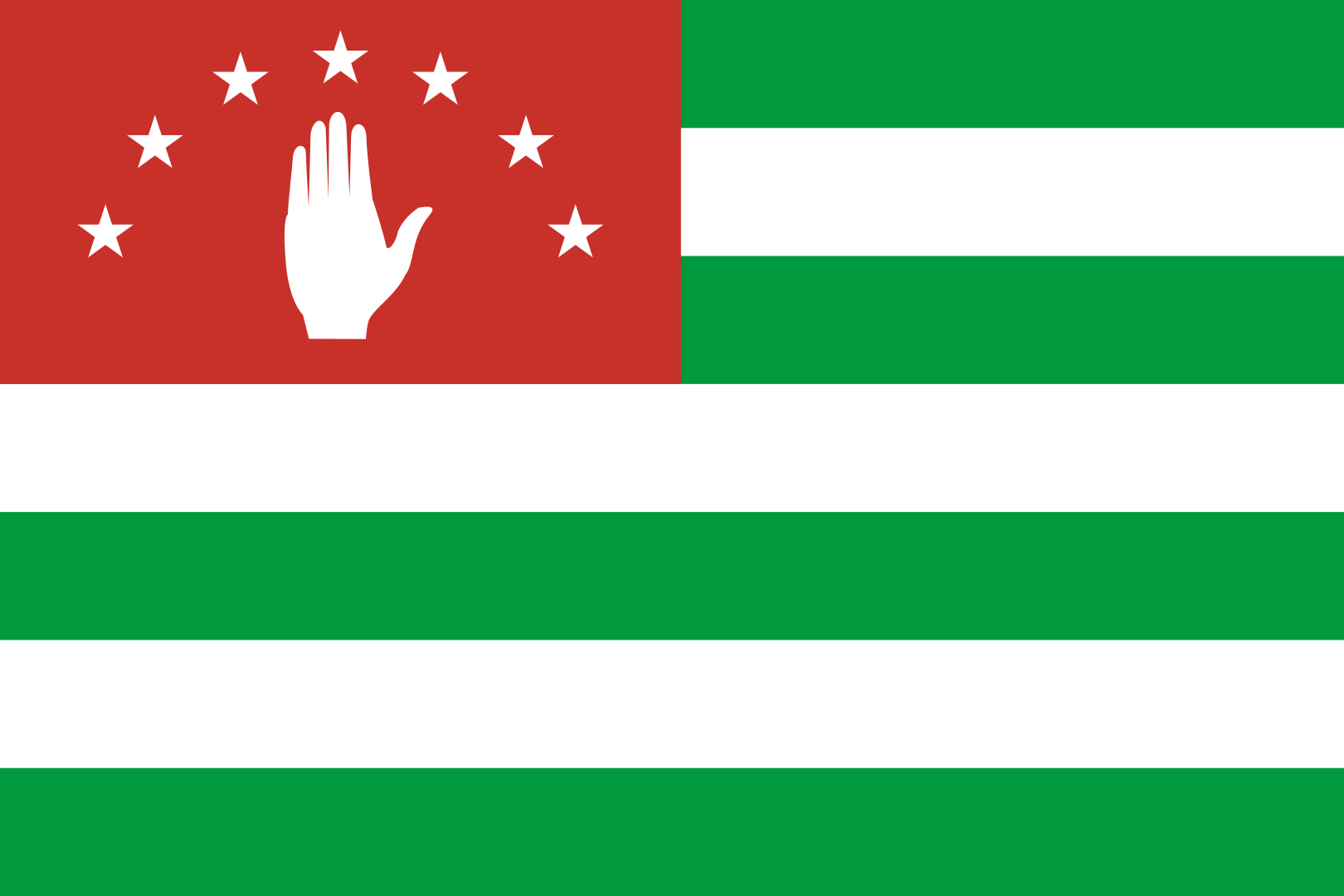
HRF classifies the breakaway territory of Abkhazia as ruled by a hybrid authoritarian regime.
Abkhazia is a breakaway territory in the Southern Caucasus that the majority of the international community considers part of Georgia. As the latter gained independence from the collapsing Soviet Union in 1991, Abkhazia (which had been an “autonomous soviet socialist republic” under de facto Georgian control since 1931) remained steadfast in its aspirations to secede. On August 14th, 1992, the Georgian State Council sent troops to Abkhazia, ushering in a bloody military conflict that would last until an internationally mediated ceasefire in 1994. In the same year, Abkhazia unilaterally declared independence. One of the terms of the truce was the deployment of a predominantly Russian peacekeeping force operating with a UN mandate. However, hostilities persisted. The conflict culminated in the 2008 Russo-Georgian war, in which Russian troops invaded Georgia. After the end of the war on August 12th, 2008, Russia formally recognized Abkhazia’s sovereign status. The rest of the international community, except Venezuela, Nicaragua, Nauru, and Syria, still considers the territory part of Georgia. Russia has maintained a significant military presence in Abkhazia since, and bolstered its governing capacity through direct aid, entrenching an enduring dependence in security, economy, and diplomacy. At the same time, Abkhazia has considerable leeway in organizing its internal affairs, and the available data suggest that the vast majority of its residents support independence rather than eventual accession to the Russian Federation. Badra Gunba is the current de facto president of Abkhazia, elected in March 2025.
Key Highlights
Electoral competition in Abkhazia is significantly skewed in favor of the de facto governing authority, to the point where the real, mainstream political opposition has a highly unlikely, although realistic chance to win. Beyond the ballot box, the ruling elite maintains its grip on power by creating bureaucratic roadblocks for rivals and allowing loyalist groups to manipulate voters through economic pressure and disinformation. While the government monopolizes campaign resources and prevents impartial international election monitoring, Abkhazia’s dynamic political landscape and history of public dissatisfaction, which have forced leadership changes, prove that the opposition still holds genuine political weight.
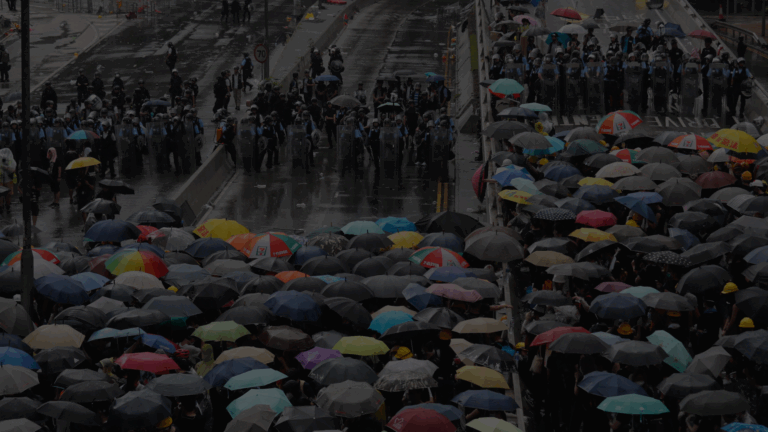
Independent media, political leaders, civil society leaders, organizations, and members of the general public are seriously and unfairly hindered in their ability to openly criticize or challenge the de facto governing authority. The officials suppress critical voices, deliberately cutting local civil society off from foreign funding and international human rights watchdogs, while turning a blind eye when Russia targets local journalists with restrictive “foreign agent” designations. Despite this pressure and the threat of targeted violence from pro-government groups, a culture of resistance survives. The parliament occasionally demonstrates enough independence to block extreme censorship laws, and the authorities have historically chosen to step down rather than deploy lethal violence against the region’s frequent mass protests.
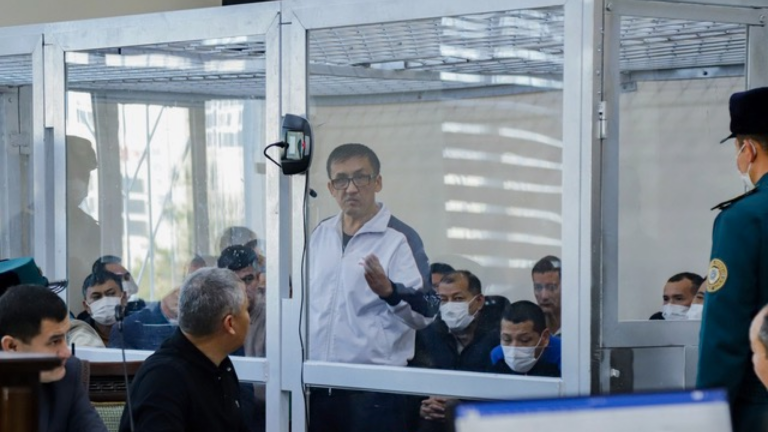
In Abkhazia, institutions largely fail to serve as independent checks on the de facto governing authority. Power is heavily concentrated in the hands of the executive branch, which tightly controls judicial appointments, while the parliament remains too weak and compliant to push through meaningful democratic reforms. Consequently, state officials and law enforcement rarely face justice for severe human rights violations. Instead of acting as an independent arbiter, the legal system is routinely weaponized to persecute political opponents and impose disproportionate penalties on ethnic minorities.