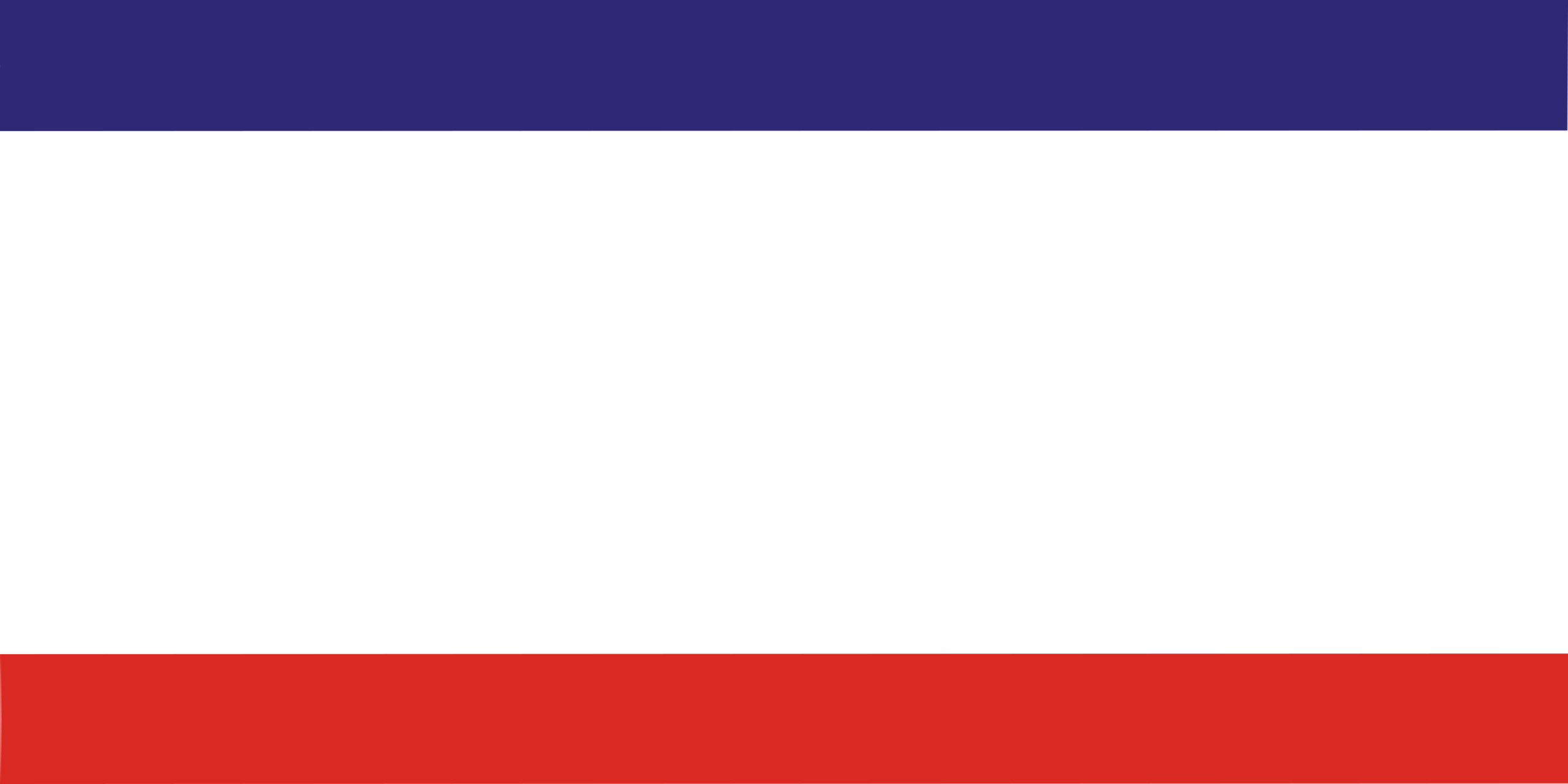
HRF classifies the annexed territory of Crimea as ruled by a fully authoritarian regime.
Between 1991 and 2014, Crimea operated as an autonomous region within Ukraine until it was forcefully seized and occupied by the Russian Federation. On February 28, 2014, armed personnel without insignia, later identified as Russian military forces, took control of the Crimean Parliament, where lawmakers, under armed pressure, appointed Kremlin-backed Sergey Aksyonov as prime minister. Aksyonov then initiated a referendum on joining Russia, held on March 16, 2014, whose official results (89% turnout and 97% support for accession) were widely rejected by international observers and considered illegal under the Ukrainian Constitution and international law. Later that month, Russia and local authorities signed the so-called “Treaty on Accession,” which imposed the Russian legal and administrative system on Crimea, and formally incorporated both Crimea and the city of Sevastopol as separate federal entities, in clear violation of international law. The “treaty” also imposed Russian citizenship on residents, a policy later ruled by the European Court of Human Rights to violate fundamental rights. Since the occupation began, the region has faced persistent repression, including restrictions on political freedoms, suppression of dissent, and severe pressure on minority communities, most notably Crimean Tatars.
Key Highlights
Under the de facto occupation authorities, national elections are a sham. As the Kremlin banned all parties with ties to Ukraine, local offshoots of the main Russian Duma parties, notably the ruling United Russia party, dominate the political field. The presence of façade political alternatives notwithstanding, United Russia has won all parliamentary elections since annexation in landslides. Most members of the international community consider these elections illegitimate, and no credible international observers have independently assessed the validity of the results. In addition, occupation officials have systematically persecuted the political leaders of the Crimean Tatars, a significant and highly politically mobilized ethnic minority.
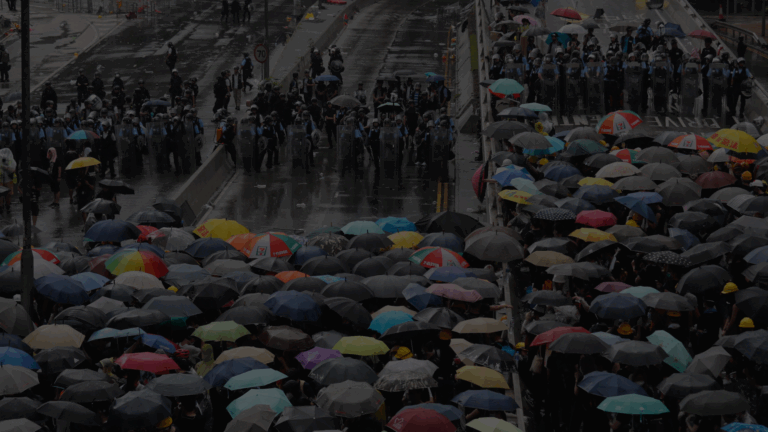
In annexed Crimea, political leaders, civil society leaders, organizations, and members of the general public face overt and systematic retaliation if they openly criticize or challenge the de facto regime. Only a handful of regime-friendly outlets still operate on the peninsula, after the Kremlin effectively shut down most critical publications between 2014 and 2015. As part of its strategy for fully integrating the peninsula into the Russian Federation, the Kremlin transposed its draconian laws targeting non-government organizations, undermining the freedom of assembly, and, following the full-scale invasion of Ukraine in 2022, criminalizing criticism of the war. The occupation authorities have also shown a pattern of enforced disappearances and forceful transfers of Crimean residents to be tried and imprisoned in Russia, both of which are criminal under international law.
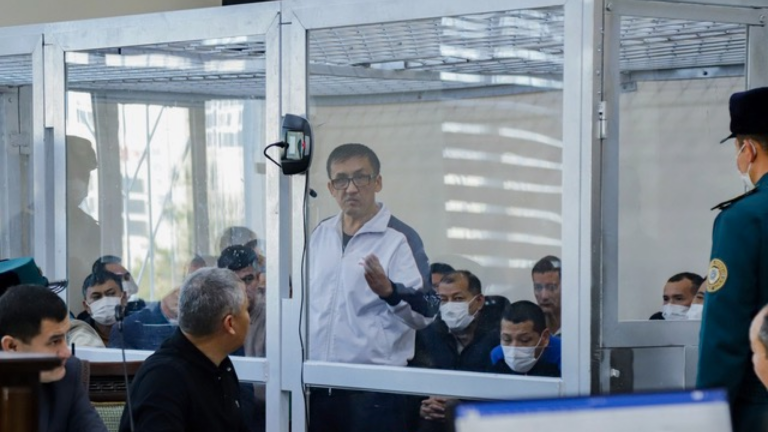
Swiftly overhauled to mirror their counterparts in the Russian Federation post-annexation, institutions largely fail to serve as checks on the regime. The “Treaty on Accession” signed between the Kremlin and Crimean officials in the wake of the referendum effectively repealed Ukrainian penal legislation and replaced it with its Russian Federation analogue. In addition, the Russian regime deliberately transferred judges and other public officials to Crimea to remake its institutions in its own image. As a result, the courts have become rubber stamps of the persecution of dissidents and eradication of all political opposition, frequently acting in violation of due process and international law.