Croatia is a parliamentary representative democratic republic in which executive authority is exercised by a government led by the prime minister, while the president serves as head of state and commander in chief, directly elected for a five-year term and empowered to appoint the prime minister subject to a parliamentary majority. Legislative power is vested in the unicameral Croatian Parliament (Sabor), whose 151 members are elected for four-year terms through proportional representation in multi-seat constituencies, with additional seats reserved for the diaspora and for national minorities. In the April 2024 snap parliamentary elections, the Croatian Democratic Union (HDZ), in power since 2016, again finished first but short of a majority, and Prime Minister Andrej Plenković ultimately returned for a third term after establishing a governing majority through coalition bargaining.
Key Highlights
In Croatia, national elections are largely free and fair. The electoral system is pluralistic and competitive: political parties are generally able to participate without undue restriction, and election outcomes are often close, routinely resulting in coalition governments rather than single-party rule. Across the political spectrum, parties can campaign freely and compete on broadly equal terms.
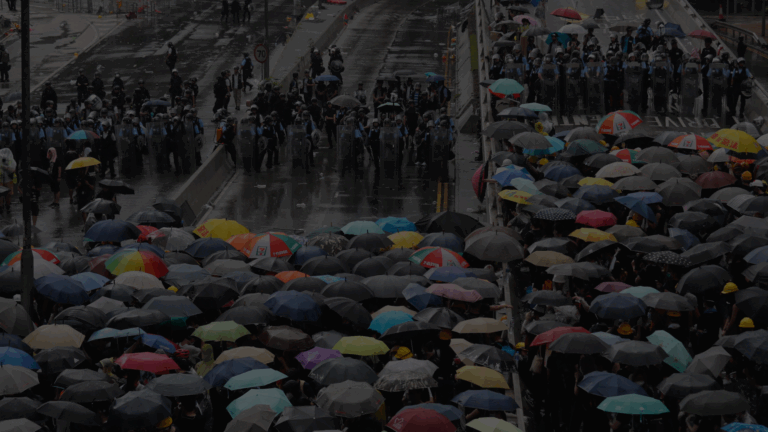
Independent media, political actors, civil society leaders, organizations, and members of the general public are largely free to openly criticize or challenge the government. The country has a robust and diverse civil society, and the authorities have not obstructed the operation of independent or dissenting organizations. Similarly, the government has generally refrained from manipulating media coverage; Croatia maintains a pluralistic media landscape in which outlets have a demonstrated record of scrutinizing and challenging political elites. The government largely respects constitutional guarantees of freedom of expression and does not systematically intimidate dissenting voices, although observers have noted a growing reliance on Strategic Lawsuits Against Public Participation (SLAPPs) by political and economic elites against journalists and media outlets. Croatia also generally respects the right to peaceful assembly, with authorities allowing and facilitating protests without excessive or repressive policing.
Institutions are generally independent and, taken together, function as effective checks on the governing authorities. The judiciary remains largely autonomous, protected by constitutional and institutional safeguards that prevent systematic political interference. As a result, courts have generally constrained government overreach, upheld electoral competition, and enforced accountability. Corruption laws are actively applied, and senior officials have been investigated, prosecuted, and convicted, underscoring the capacity of Croatia’s institutional framework to hold those in power to account.