HRF classifies Uzbekistan as ruled by a fully authoritarian regime.
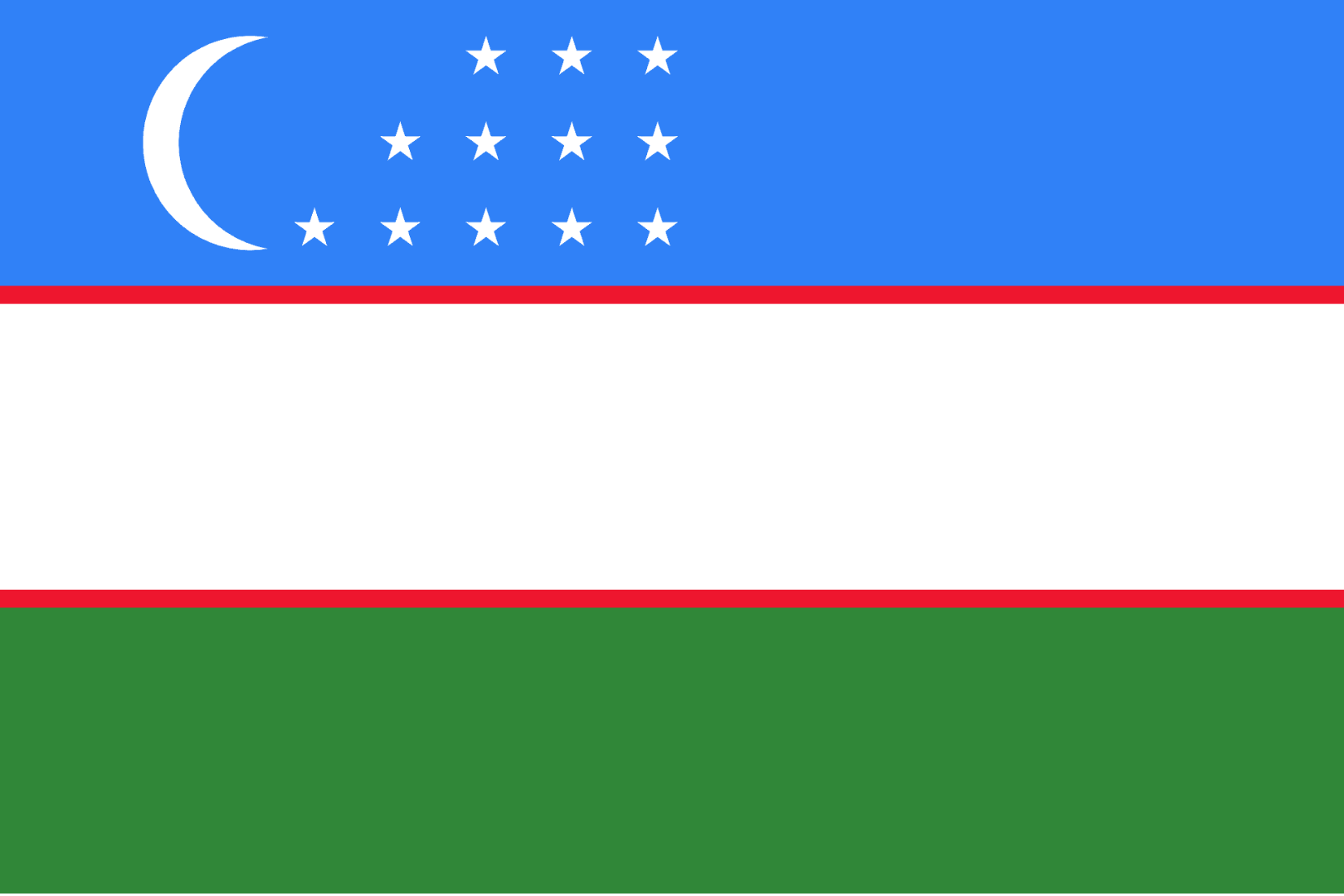
The country declared independence on August 31, 1991, following the collapse of the Soviet Union. Its political system was shaped by Islam Karimov, a former Soviet apparatchik who served as the country’s President from 1991 until his death in 2016. Karimov originally rose to power amidst the violent ethnic clashes in the Fergana Valley targeting Meskhetian Turks, which he used to justify establishing a ruthless police state. Since gaining independence, Uzbekistan has never held a free and fair election. The regime has systematically prevented any genuine opposition from emerging, ensuring that power remains within the executive. Karimov’s successor, Shavkat Mirziyoyev, has continued this legacy, consolidating power through constitutional changes in 2023 that extended the presidential term and effectively reset his term count, allowing him to rule potentially until 2040.
Formally, Uzbekistan is a presidential republic with a separation of powers, though in practice, it’s a consolidated authoritarian state where power is concentrated in the hands of the executive. Legislative authority is vested in the Oliy Majlis, a bicameral parliament consisting of the Legislative Chamber (lower house) and the Senate (upper house). However, the legislature lacks genuine independence and is composed entirely of pro-government parties that rubber-stamp executive initiatives. The judicial branch, comprising the Constitutional Court, Supreme Court, and lower courts, is nominally independent but remains subservient to the President, who appoints the majority of the Supreme Judicial Council and nominates key judges. The country includes the sovereign Republic of Karakalpakstan, an autonomous region in the northwest with the constitutional right to secede. However, this autonomy exists largely on paper. In July 2022, the region faced a brutal crackdown after mass protests erupted against proposed constitutional amendments that sought to strip Karakalpakstan of its right to secession. The regime suppressed the unrest with lethal force and subsequently imprisoned local leaders, further cementing its centralized control.
Key Highlights
In Uzbekistan, national elections are a sham, to the point where the real, mainstream political opposition does not have a realistic chance to meaningfully compete and possibly win. The regime cultivates a heavily skewed playing field to guarantee the incumbent claims victory with overwhelmingly high vote shares, while systematically barring genuine opposition parties from the ballot. Official Tashkent manufactures desired results through widespread voting irregularities and strictly limits independent electoral oversight, utilizing state resources to secure unfair campaign advantages that render meaningful contestation impossible.
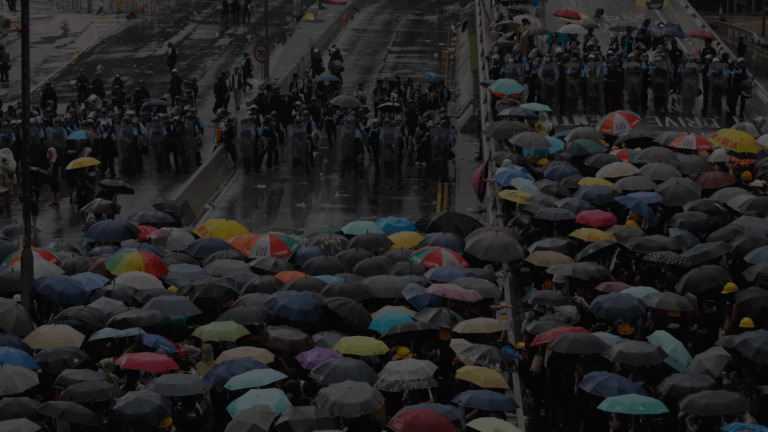
Independent media, political leaders, civil society leaders, organizations, and members of the general public face overt and systematic retaliation if they openly criticize or challenge the regime. The regime enforces strict control by criminalizing online expression through the weaponization of defamation laws and maintaining a total ban on public assembly. High-profile critics are subjected to forced psychiatric detention and custodial abuse, while state agencies actively hunt down dissidents abroad through transnational repression. Furthermore, the administration systematically dismantles independent civil society and minority groups by labeling them as “extremist” organizations and enforcing restrictive legislation.
Institutions largely fail to serve as independent checks on the regime. The executive branch exerts total control over the state apparatus, utilizing the judiciary to rubber-stamp the repression of critics rather than dispense justice. The administration ensures systematic impunity for officials involved in state violence and human rights abuses, while simultaneously neutralizing the independence of oversight mechanisms through restrictive legislative reforms and absolute control over key appointments.