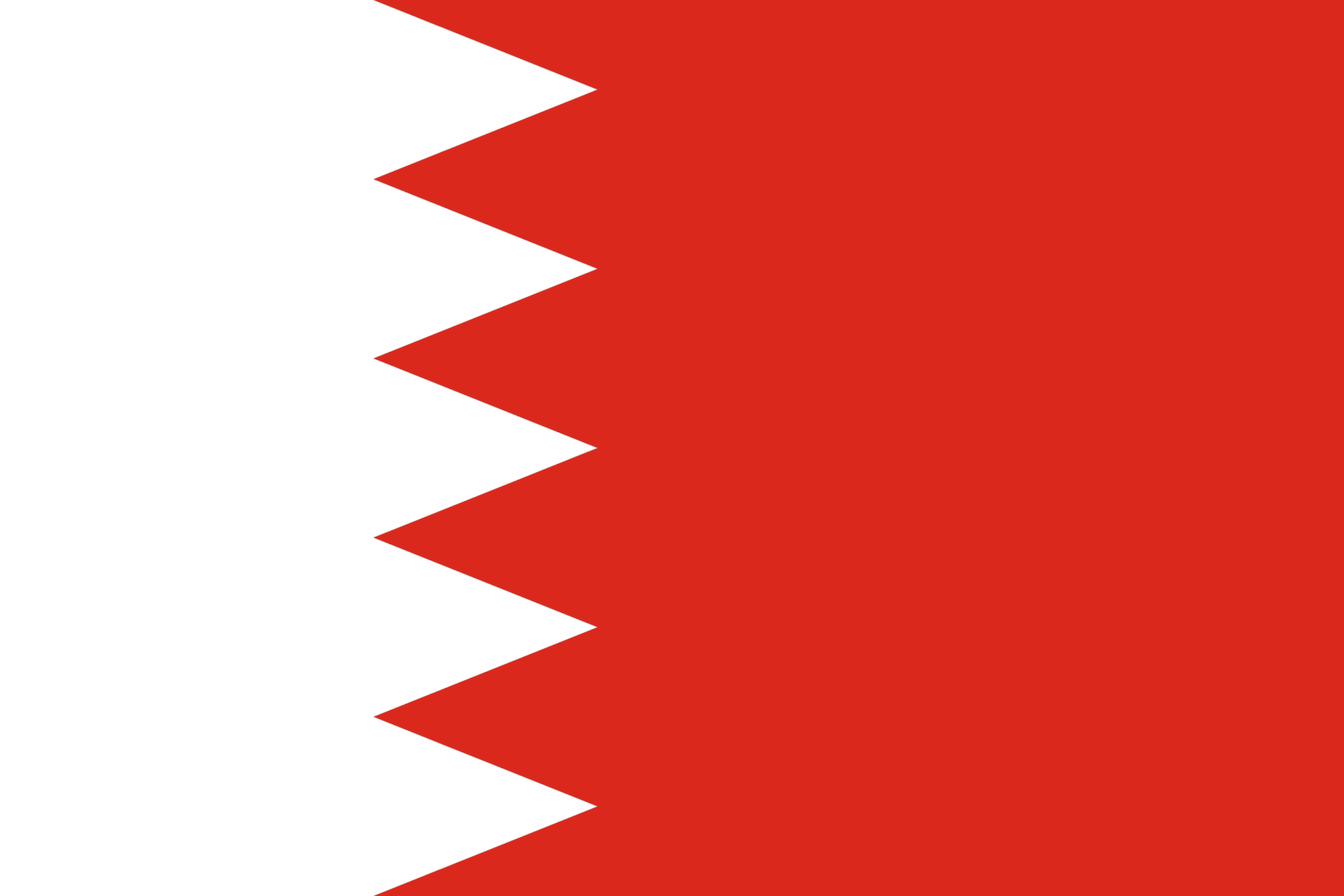
HRF classifies Bahrain as ruled by a fully authoritarian regime.
Shaikh Hamad bin Isa Al Khalifa assumed the throne in March 1999, following the death of his father, Shaikh Isa bin Hamad Al Khalifa, who had ruled Bahrain from 1961 to 1999. Upon ascending to the throne, Shaikh Hamad asserted his commitment to pursuing reforms, and on February 15, 2001, the regime staged a referendum to codify a National Action Charter with reform pledges. This was supported by 98.4 percent of Bahrainis. In the wake of the referendum, a new constitution was drafted in 2002. However, Bahrain’s parliamentary body, the National Assembly, gained no new powers under the new constitution, proving that the National Action Charter and the referendum were a sham for democratization. As a result, coinciding with the ten-year anniversary of the National Charter, widespread dissatisfaction culminated in a countrywide revolt in February 2011, in the context of the broader Arab Spring, with the regime imposing a repressive political system and sustained crackdown on dissidents and opposition figures.
Key Highlights
Elections in Bahrain are a sham, to the point where the genuine, mainstream political opposition has no realistic chance of competing and possibly winning. In the absence of an independent body to oversee the elections, they are administered and regulated by the Ministry of Justice and Islamic Affairs, which is regularly led by a member of the royal family, prompting impartiality concerns. Furthermore, Bahrain’s three largest opposition groups have been declared illegal and barred from fielding candidates in parliamentary elections. Additionally, the regime designed the electoral system to deliberately underrepresent Shias in Bahrain, who constitute the majority of the population in the Sunni-ruled kingdom. Bahraini citizens make up about half of the population (719,333), with 62 percent being Shia and 38 percent Sunni.
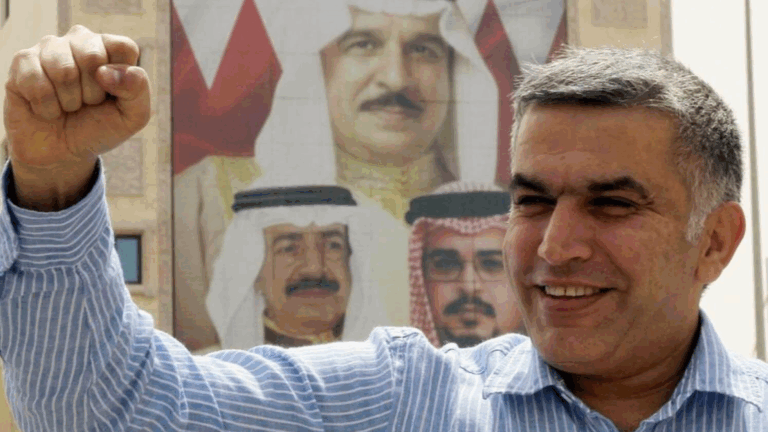
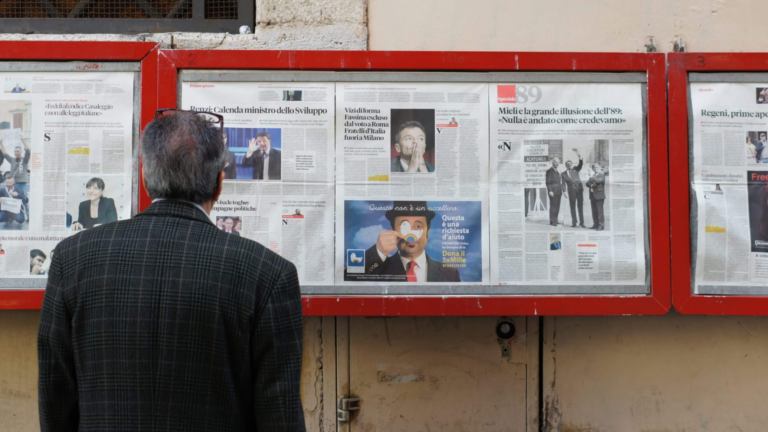
Independent media, political leaders, civil society leaders, organizations, and regular people face overt and systematic retaliation if they openly criticize or challenge the regime. Since 2011, the regime has repeatedly suppressed peaceful pro-democracy protests, arrested activists on spurious charges, stripped dissidents of their citizenship, and systematically restricted and suppressed free speech and free press through vaguely worded penal legislation. It also heavily monitors online activities and prosecutes individuals who criticize the regime, both in Bahrain and overseas.
Institutions largely fail to serve as independent checks on the regime. Bahrain’s monarchy maintains significant control over political processes. The king has extensive powers, including appointing the members of the Shura Council (upper house of the National Assembly), dissolving the legislature, and overriding legislative decisions, which diminishes the parliament’s independence. With the majority of judges hailing from the ruling Al Khalifa family, courts being staffed with regime-aligned actors, the judiciary is characterized by a deep-rooted culture of impunity and bias in favor of the regime. Transparent procedures to efficiently prosecute regime abuses are absent in Bahrain, especially regarding torture, forced confessions, ill-treatment, and other violations perpetrated by regime agents.