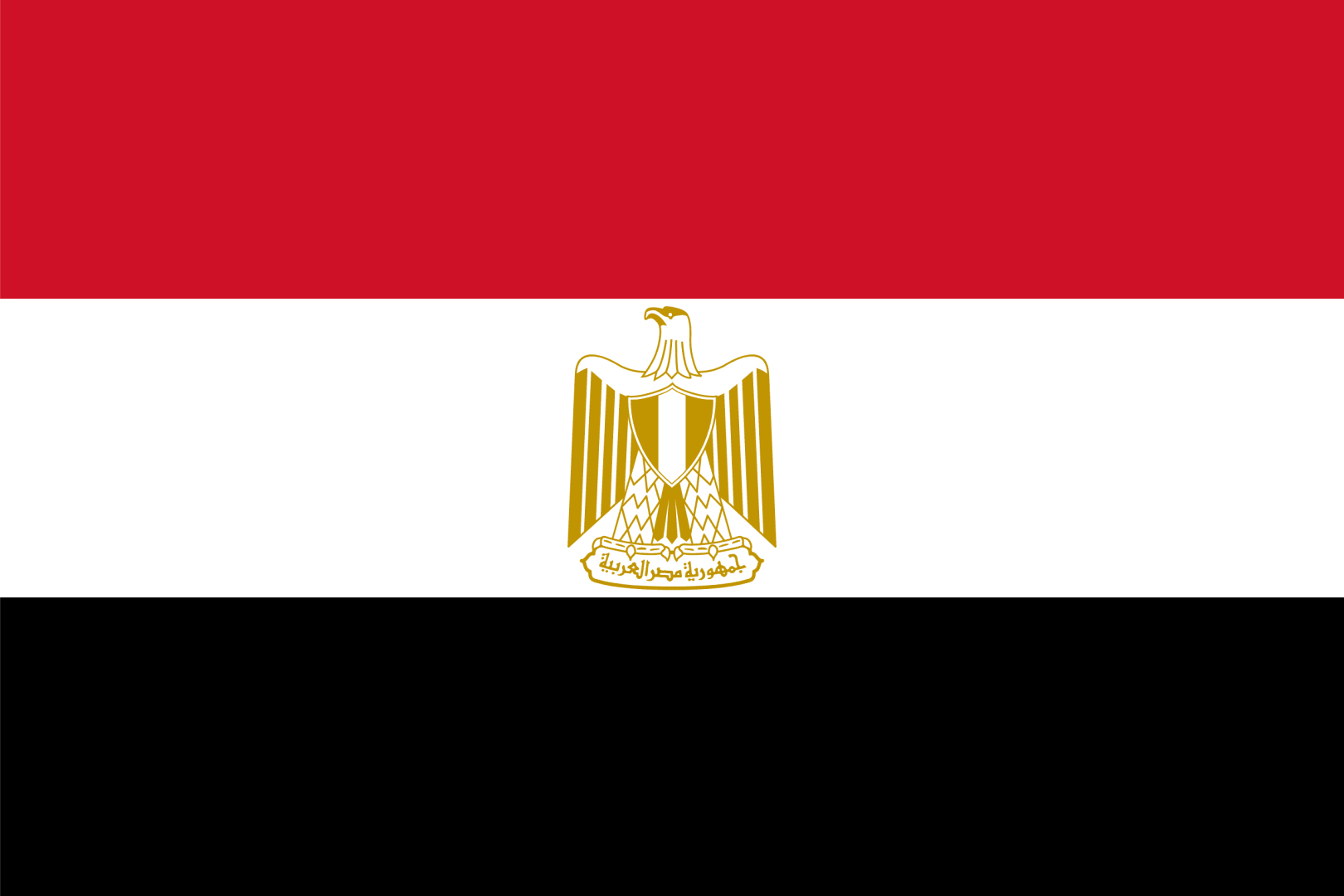
HRF classifies Egypt as ruled by a fully authoritarian regime.
Abdel Fattah el-Sisi seized power in a 2013 military coup that ousted Egypt’s first elected civilian president, Mohamed Morsi. He was installed as president in an unfair and unfree election in 2014. In the years since, the ruling military junta behind el-Sisi has commandeered an unprecedented marginalization of civilian control over, and participation in, the country’s politics, economy, and society, transforming itself into the dominant institution at the helm of all branches of government.
Key Highlights
National elections are a sham to the point that the real, mainstream political opposition does not have a realistic chance to meaningfully compete. Regime-controlled security and intelligence agencies collude with the National Elections Authority (NEA) to disrupt the campaigns of opposition candidates, engineer electoral results, and bury efforts to seek accountability for electoral malfeasance. The regime regularly disqualifies the campaigns of both major and little-known opposition candidates, often targeting them and their supporters with trumped-up legal charges and other intimidation tactics. Amid a total lack of free and fair electoral competition, the regime and its affiliates purport to win presidential and parliamentary elections by wide margins.
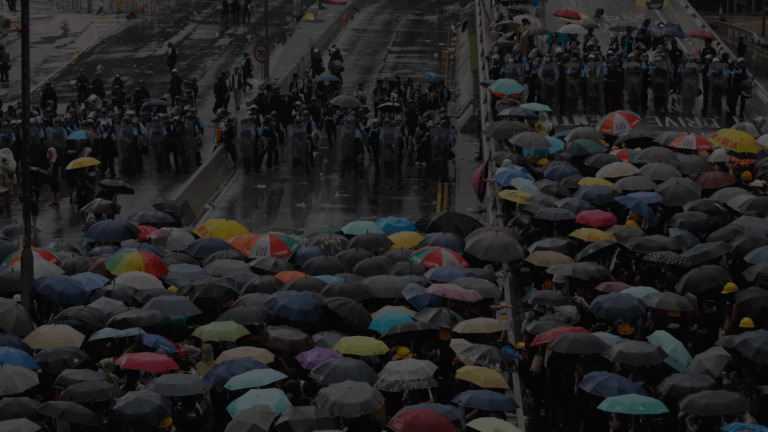
Independent and state media, political and civil society leaders, organizations, and the general public face overt and systematic retaliation if they openly criticize or challenge the regime. Protesters and members of the political opposition in Egypt face systematic state violence and extrajudicial murder. Vague laws and widespread surveillance pave the way for the regime to forcibly disappear, harass, and arbitrarily arrest all kinds of people, including opposition candidates, journalists, and its own supporters. The regime has detained more than 60,000 prisoners of conscience in a neglectful carceral system for years without trial, frequently in torturous conditions, with little recourse due to the regime’s co-optation of the judiciary and unfettered use and expansion of politically motivated parallel court systems.
Institutions largely fail to serve as independent checks on the regime. Through electoral manipulation and the reorganization of legislative and executive institutions, the regime has rendered the parliament into a rubber-stamp institution and consolidated its control over the central government. Sham constitutional amendments passed in 2019 granted el-Sisi and the military significant control over the judiciary, which has only increased in recent years with the appointment of a military general to the Supreme Constitutional Court in 2022 and the passing of legislation in 2024 that grants military courts the same legitimacy to try civilians within their jurisdiction as the national courts. This consolidation of executive power grants el-Sisi and the military impunity to interfere in elections and enforce a zero-tolerance policy for political opposition or any form of dissent or expression that does not comply with proscribed norms of the state, resulting in one of the most repressive and exploitative environments of any country in the region.