Country

Israel

Israel

Democracy

Israel

0.12%

of the world’s population

9,647,690 people

Source: Tyranny Tracker

Overview

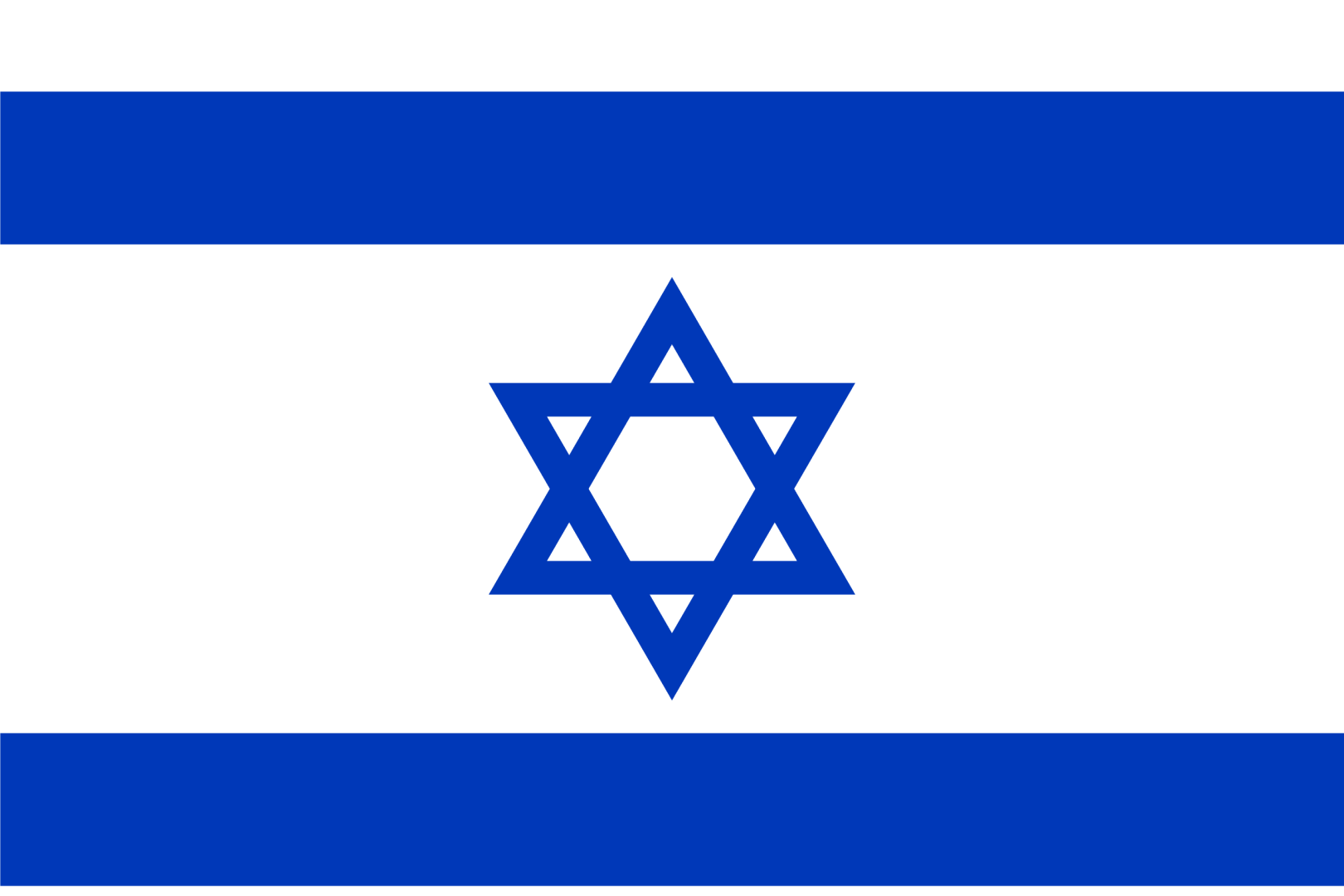
HRF classifies Israel as a democracy.

The state of Israel operates under a parliamentary system where, in the absence of a formal constitution or a second legislative chamber, the judiciary serves as the primary check on executive power. Benjamin Netanyahu is the longest-serving executive in Israel with a combined 17 years in office non-consecutively. Under his coalition cabinet, sworn in on December 29, 2022, the executive has successfully concentrated unprecedented authority by moving to curtail institutional accountability and expand exclusionary frameworks. These ongoing initiatives seek to curtail the Supreme Court’s authority to review administrative decisions and include proposals to restructure the Judicial Selection Committee in order to grant the political leadership decisive control over judicial appointments. Additionally, members of the governing coalition have frequently criticized civil society organizations engaged in human rights advocacy and legal reform, particularly those receiving foreign government funding, portraying them as politically motivated or aligned with external interests. Legislative initiatives and public rhetoric have also targeted media regulation and public broadcasting structures, prompting concerns among press freedom advocates about potential political influence over the media environment. At the same time, independent media outlets continue to operate and publish critical reporting. The Netanyahu administration also transferred the administrative authority over the West Bank to civilian ministers in Israel, blurring the legal distinction between military operations and civilian governance, raising questions about oversight and legal accountability. At the same time, the judicial reform agenda launched in 2023, whose ultimate goal is to give parliament the ability to override judiciary and Supreme Court decisions by a simple majority, has strained Israel’s institutional balance. While the reform process remains contested and partially implemented, it has intensified debate over the scope of judicial independence and the durability of constitutional constraints.

Key Highlights

National elections are largely free and fair, with universal suffrage and a robust multi-party system. At the same time, ongoing debates within Israeli society reflect tensions between democratic procedures and questions of civic equality. The 2018 Basic Law: Israel as the Nation-State of the Jewish People has been criticized by Arab citizens, Druze, and other minority communities, who have organized public protests arguing that the law emphasizes Jewish national identity while not including an explicit guarantee of equal civic status for all citizens.

Independent media, political figures, civil society organizations, and members of the public continue to operate and express criticism of the government. However, observers and domestic critics argue that the space for dissent has come under increased pressure under the current governing coalition. These concerns center on a combination of proposed legislation, regulatory measures, and political rhetoric that critics say may have a chilling effect on public criticism. Media-related debates have included the passage of legislation in 2024 allowing the government to restrict or suspend the operations of foreign media outlets, including Al Jazeera, on national security grounds, as well as public discussions around proposals to alter funding arrangements for the public broadcaster Kan, which has aired content critical of the government, alongside calls to expand the role of private outlets perceived as closer to Likud.

Civil society organizations, particularly those engaged in human rights advocacy, have also expressed concern regarding proposed fiscal measures and transparency requirements related to foreign funding. Supporters of these initiatives argue they promote accountability and sovereignty, while critics contend they risk stigmatizing legitimate domestic dissent by framing it as external influence.

Formal state institutions remain in place and continue to function. However, the scope and balance of institutional oversight have been the subject of intense internal debate. Legislative initiatives advanced by the current governing coalition—most notably proposals associated with judicial reform—have raised concerns among legal professionals, former officials, and segments of the public about potential erosion of checks and balances. These debates focus on proposals affecting the role of the judiciary, including the Supreme Court of Israel, the authority of the Attorney General of Israel, and the appointment processes within the civil service, which critics argue could reduce the independence of institutions traditionally tasked with overseeing executive power.


Share

Israel Most Recent

Tyranny Tracker

A Democracy Index Built to Inform Action

Report
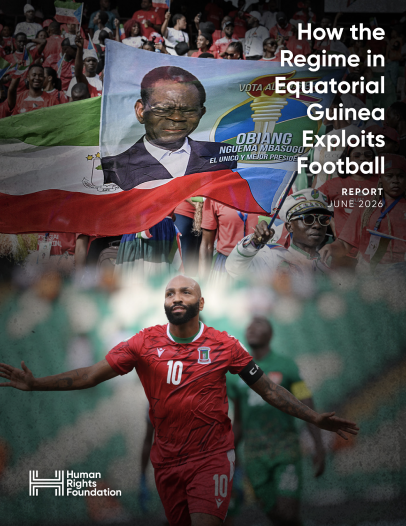
How the Regime in Equatorial Guinea Exploits Football
Equatorial Guinea’s regime has strategically exploited the global appeal of football as a political tool.
Jun 23, 2026
Report
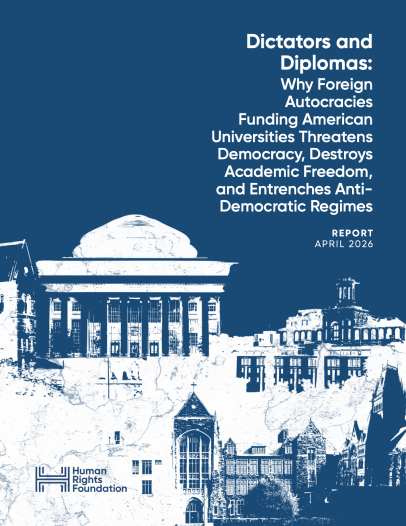
Dictators and Diplomas: Why Foreign Autocracies Funding American Universities Threatens Democracy, Destroys Academic Freedom, and Entrenches Anti-Democratic Regimes
For years, foreign dictatorships and their proxies have searched out any number of ways to influence policy and discourse in the United States. From hiring fleets of lobbyists to setting up dark money networks, from bankrolling sports leagues to launching disinformation campaigns on American social media platforms, from backing strategic investments to hiring consulting firms and white-shoe law firms, the list of targets is lengthy.
May 12, 2026
The Quantum Threat to Bitcoin - Report Cover
Report
The Quantum Threat to Bitcoin
Bitcoin is a financial lifeline for dissidents resisting authoritarian regimes. The rise of cryptographically relevant quantum computers (CRQCs) with the ability to crack Bitcoin’s underlying cryptography could threaten the network’s security foundations.
Oct 31, 2025
Youthquake Report Asian youth movement Cover
Report
Youthquake: Youth-led Movements Shaking Up East and Southeast Asia
In recent years, youth across East and Southeast Asia, and around the world, have spearheaded the demand for democracy, justice, and freedom.
Aug 14, 2025

How can we help?

Hit enter to search or ESC to close

Join the cause by subscribing to our newsletter.

Email Us