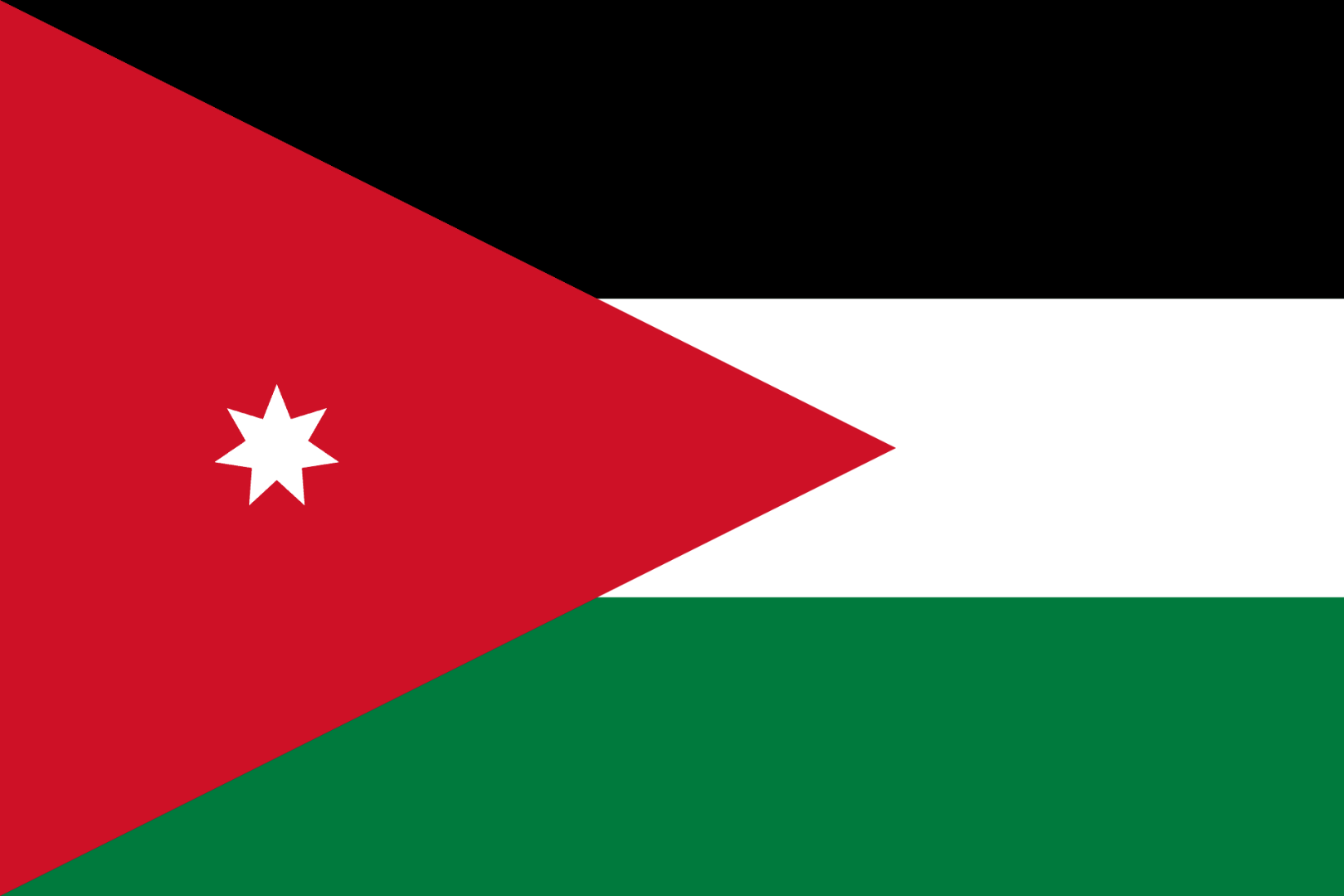
Elections are a façade to the point where the mainstream political opposition does not have a realistic chance to meaningfully compete and possibly win. Although Jordanians elect members of the lower house of parliament every four years and the mainstream opposition has won large blocs in recent elections, the king controls the executive government and appoints all 65 members of the upper house of parliament, who debate, amend, and approve legislation originating in the lower house. Despite the limited legislative power of elected MPs, the regime has systematically manipulated regulations before every election since at least 2007 and has abused the new regulations to disenfranchise and fractionalize the Islamic Action Front (IAF), Jordan’s mainstream opposition party.
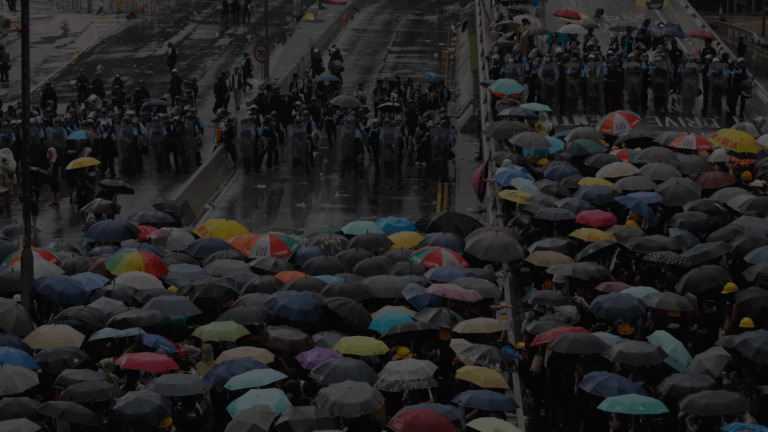
Independent media, political leaders, civil society leaders, organizations, and the general public face overt and systematic retaliation if they openly criticize or challenge the regime. Since the passing of the Cybercrimes Law of 2015, the regime has taken measures to increasingly manipulate the media, limit civil society, and crack down on mass protest movements. In its attempts to tightly control the flow of information and discourse in the country, the regime has moved to silence major dissenting organizations such as the Teachers Union and the Muslim Brotherhood, and has shut down critical media, including the satirical site AlHudood in 2023 and Al-Yarmouk TV in 2024. The regime abuses expansive amendments to the Cybercrimes Law in 2023 to arrest thousands of people and widely employs tactics such as physical coercion, coerced confessions, threats to family members, enforced disappearance, administrative detention, and torture against journalists, activists, peaceful protesters, and online dissenters.
Institutions largely fail to serve as independent checks on the regime. In addition to the authority to rule by decree, Abdullah II appoints the cabinet, who serve as the executive government, and all members of the more powerful house in the legislature, which ensures royal control over the promulgation and implementation of all laws. The king also appoints members of the higher courts and controls the judiciary through the royally-appointed Minister of Justice. The regime frequently abuses the Crime Prevention Law of 1954 to detain thousands of people by administrative order with limited judicial review, and the Anti-Terrorism and State Security Court Laws of 2014 to try civilians in separate, military-run State Security Courts. As a result, the courts rarely hold regime officials accountable or hear challenges to regime policies, and they frequently rubber-stamp politically-motivated charges against political opponents, journalists, activists, and critics.