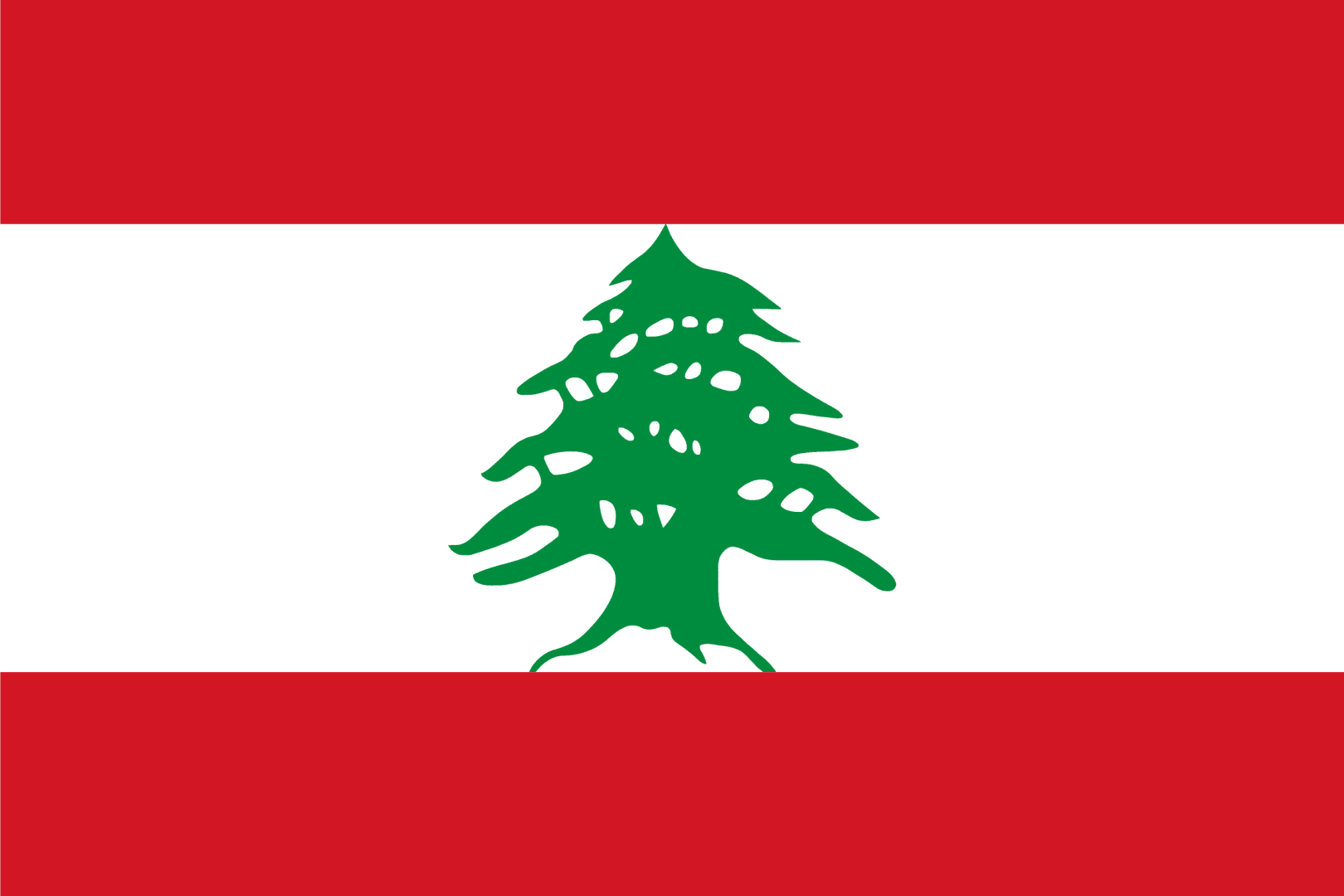
HRF classifies Lebanon as ruled by a hybrid authoritarian regime.
Lebanon has a unique political system based on the proportional representation of 18 officially recognized religious confessional groups in accordance with the last official census in 1932 and the 1989 Taif Agreement that ended a 15-year civil war. Citizens elect 128 members of parliament, who in turn elect the president and approve all positions in the Council of Ministers, which often reflects the diverse makeup of parliament but is dominated by representatives from the four primary religious communities, namely Maronite Christians, Sunni Muslims, Shia Muslims, and Druze. The parliamentary election of the president faces regular delays due to political gridlock, as seen in the election of current president Joseph Aoun, who was elected by parliament in January 2025 to a non-renewable six-year term, 26 months after the departure of former president Michel Aoun in 2022. While independent and non-sectarian candidates won a greater share of seats in 2022 than in past parliamentary elections, governance continues to be dominated by entrenched political parties and corrupt patronage networks. Sectarian and elite actors often conspire to delay, disrupt, and intervene in democratic processes to shore up their own interests and prevent accountability for increasingly frequent national crises, such as the 2019 financial collapse that led to the Lebanese pound losing more than 98% of its value and the 2020 port explosion in Beirut that killed more than 200 people, posing significant challenges to Lebanon’s democratic system.
Key Highlights
Elections in Lebanon are competitive. The regime does not interfere to skew elections in its favor and allows a broad spectrum of political participation. However, elections face persistent challenges, such as rampant vote-buying and a lack of oversight and accountability for intimidation and unfair campaign tactics by dominant political elites that prevent democratic elections in the country from being considered largely free and fair.
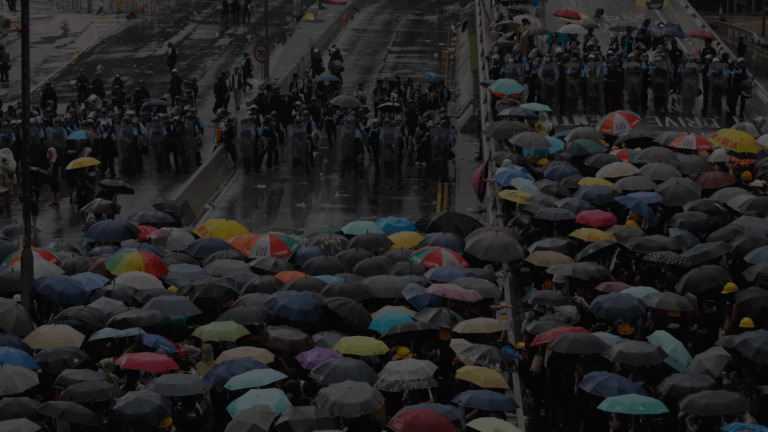
Journalists, civil society leaders, organizations, and members of the general public are seriously and unfairly hindered in their ability to openly criticize or challenge establishment elites that dominate political authority in Lebanon. While the regime does not systematically retaliate against dissenting voices, it has manipulated regulatory frameworks and at times engaged in intimidation practices to target outspoken journalists and activists with predatory defamation charges and to shut down large demonstrations with force. The regime fails to hold political elites and the supporters of major sectarian organizations accountable for the frequent use of intimidation and acts of violence against critics, contributing to an environment of self-censorship on certain politically sensitive topics that seriously limit the freedom of expression in the country.
Institutions largely fail to serve as independent checks on the regime. While the regime has not weakened executive or legislative institutions, it has systematically undermined judicial independence. Through the manipulation of judicial appointments and promotions, and at times referring outspoken journalists and protesters to military courts, the regime has weakened the judiciary’s capacity to hold it and dominant political elites accountable for interference in electoral competition and retaliation against dissenters. Cases that challenge the regime are frequently delayed, dismissed, or undermined by political interference, and judges who threaten regime or elite interests have faced retaliation.