HRF classifies Oman as ruled by a fully authoritarian regime.
The Al Said dynasty of absolute monarchs, known as sultans, has ruled Oman since the mid-18th century. The present ruler, Sultan Haitham bin Tariq Al Said, inherited the throne in 2020 with the passing of former ruler Sultan Qaboos bin Said Al Said. The reign of Sultan Qaboos lasted from Oman’s independence from Britain in 1970 until 2020 and was characterized by a lack of formal institutions, a reliance on patronage networks and repression, and a uniquely personalistic and arbitrary style of rule. Upon assuming power, Sultan Haitham initiated a series of institutionalizing and decentralizing reforms that gave the appearance of relinquishing his personal grip on power to civil institutions, such as ceding the formerly royal titles of supreme commander of the armed forces, minister of defense, minister of finance, minister of foreign affairs, and chairman of the Central Bank of Oman to civilian ministers in 2020, and introducing a formal line of succession to the throne in 2021. However, governance in Oman remains solely at the behest of the sultan, who promulgates laws by royal decree and maintains a tight grip over citizens.
Key Highlights
Meaningful national elections are absent, and there is no democratic transition of power at any level of government in Oman. While citizens regularly elect 90 members to the lower chamber of the bicameral Oman Council, known as the Shura Council, the body has no authority to legislate and is only mandated to offer non-binding advisory opinions on a limited number of economic and social issues. The sultan appoints all 86 members to the more powerful upper chamber, known as the State Council, and can dissolve the entire Oman Council at will. The sultan has taken systematic measures to prevent the rise of viable opposition candidates and platforms, including a total ban on political parties. Under the Nationality Law of 2014, the regime can revoke the citizenship of anyone found to participate in political organizations such as parties or found guilty of any crime deemed “against the security of the country.”
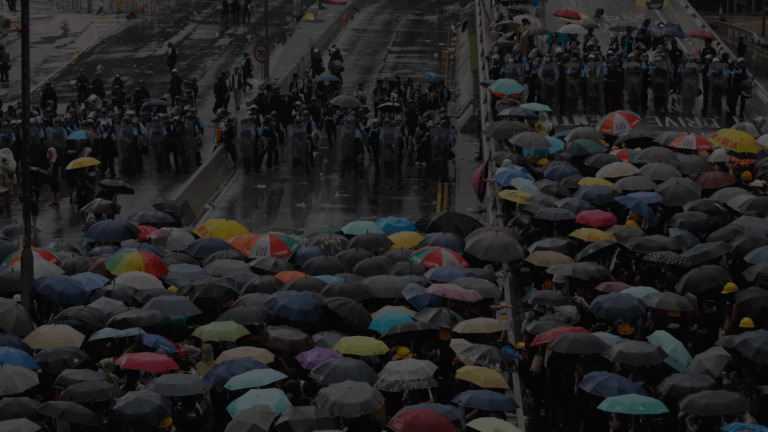
Independent media, political figures, civil society leaders, organizations, and the general public face overt and systematic retaliation if they openly criticize or challenge the regime. The regime abuses an expansive web of strict laws that allow for arbitrary arrests and sentencing, and other royal decrees that harshly punish dissent and mitigate the formation of viable mainstream opposition to the absolute power of the sultan. The regime prohibits media and civil society organizations from operating independently of the state and systematically uses vague laws to persecute and intimidate individuals into self-censorship. The regime’s primary coercive apparatus, the Internal Security Service (ISS), regularly surveils citizens and online spaces, disperses protests with violence, commits enforced disappearances of critics, and tortures dissidents.
Institutions largely fail to serve as independent checks on the regime. The sultan rules with ultimate authority and passes legislation directly by royal decree and indirectly by ministerial decisions through the cabinet of ministers, who are all appointed by the sultan. He also chairs the Supreme Judicial Council, which has the authority to review and amend all judicial decisions. Judges sometimes acquit dissidents prosecuted on bogus charges brought by the ISS, but in general, the courts enforce and uphold the regime’s constellation of arbitrary and repressive legal statutes that criminalize many forms of expression, including criticism of the sultan, improper discussions of history and religion, and other vague violations of “public order and morals.”