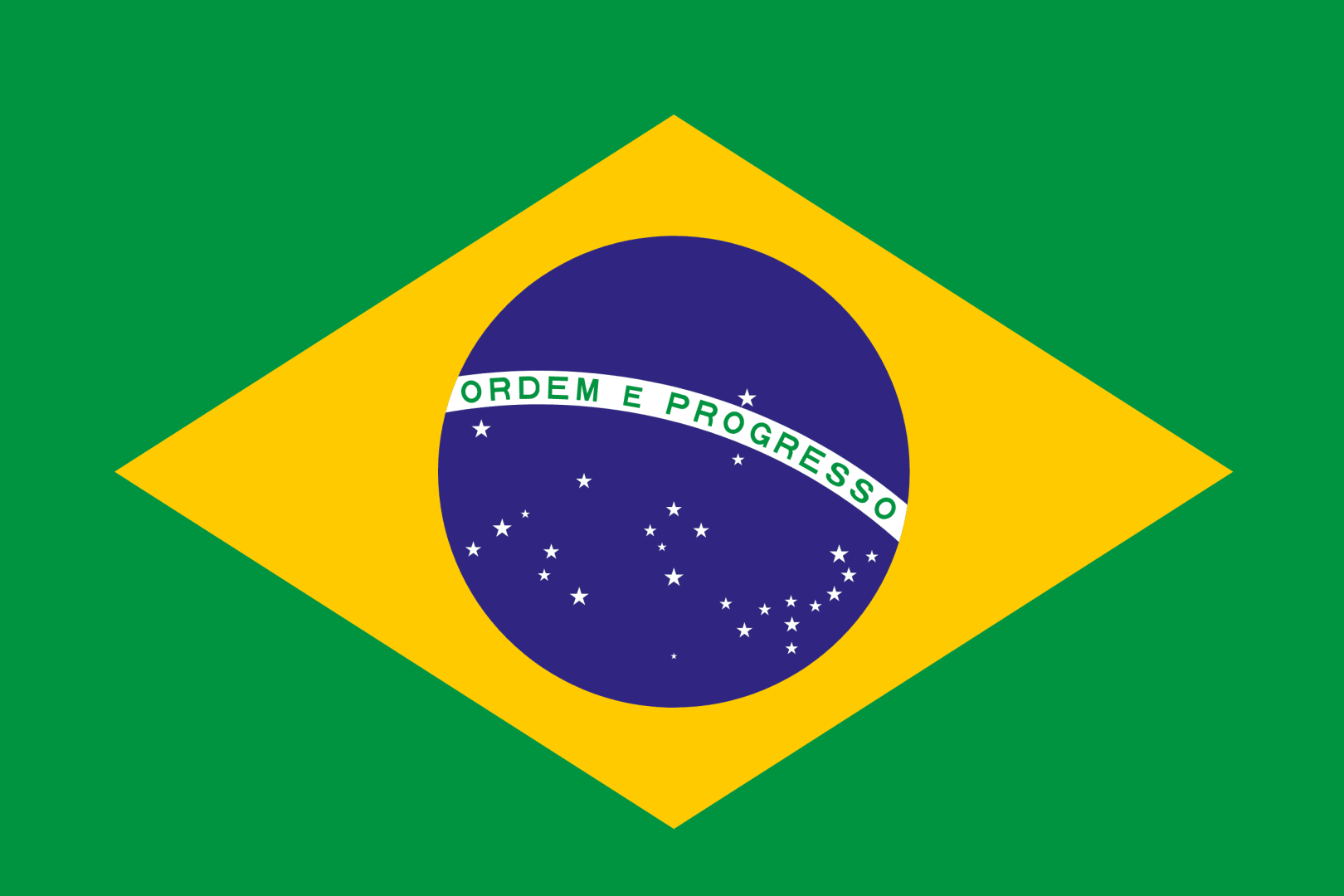
Brazil transitioned to democracy in 1985 after two decades of military rule, culminating in the adoption of the 1988 Constitution, which enshrined political pluralism, civil liberties, and the separation of powers. Since then, Brazil has experienced a competitive electoral environment and multiple peaceful transfers of power across different political parties. The impeachment of President Dilma Rousseff in 2016, the imprisonment and later absolution of then-former President Luiz Inácio “Lula” da Silva, and the presidency of Jair Bolsonaro from 2019 to 2022 marked periods of intensified confrontation between branches of government. Brazil’s courts, electoral authorities, and civil society have resisted pressures from the executive branch, particularly during the Bolsonaro administration.
Key Highlights
National elections in Brazil are largely free and fair. Major opposition candidates and parties continue to run and win offices at all levels of government. Independent electoral authorities such as the Superior Electoral Court (TSE) maintain operational integrity, and international observers have consistently reaffirmed the transparency of elections. Brazil’s highly fragmented party system requires coalition-building, resulting in government coalitions that frequently include ideologically diverse parties. Consequently, opposition forces often retain considerable influence over policymaking, despite not winning the presidency.
Independent media, political leaders, civil society organizations, and regular people are largely free to openly criticize and challenge the government. While Bolsonaro frequently used hostile rhetoric toward critics and disproportionately supported friendly media, these actions did not result in formal restrictions, and protests were generally allowed to take place. Investigations have since uncovered the use of intelligence resources for illegal surveillance of opponents during his term. Under Lula, the legal framework protecting dissent has remained stable, with continued space for public criticism and protest.
Institutions are independent and largely serve as effective checks on the government. Courts, particularly the Supreme Federal Court (STF) and the Superior Electoral Court (TSE), have acted independently across administrations to uphold constitutional rights and protect electoral integrity. During Bolsonaro’s presidency, the judiciary intervened to block efforts to discredit the voting system, sanctioned disinformation campaigns, and ultimately barred Bolsonaro from running for office until 2030 for abuse of political power and misuse of public resources. Under previous governments, courts also pursued major corruption cases, notably through Operation Car Wash, which led to the prosecution of high-ranking authorities across the political spectrum. Lula, the leading presidential candidate in 2018, was imprisoned, although the conviction was annulled after the STF ruled that the court that convicted him lacked jurisdiction and impartiality.