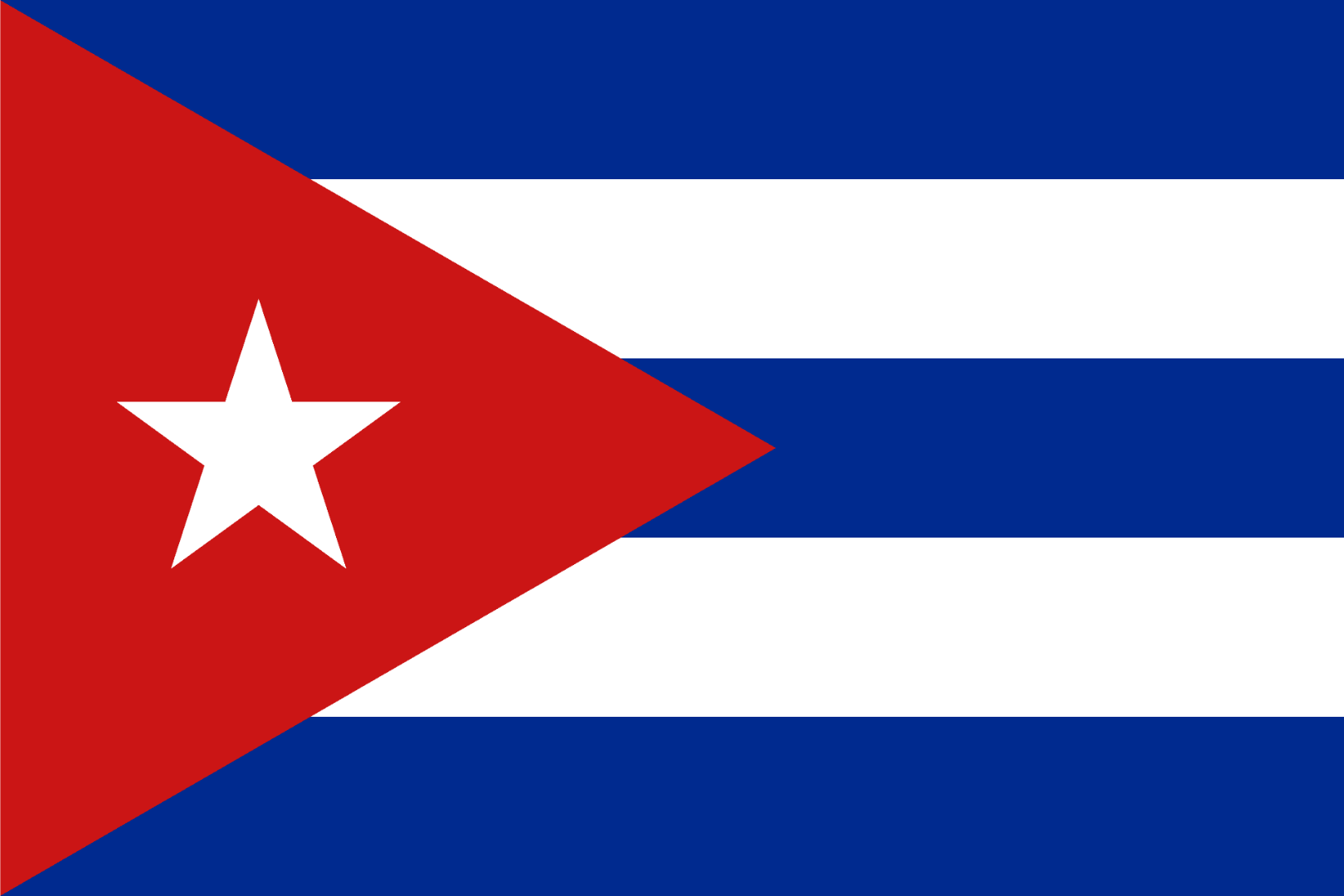
HRF classifies Cuba as ruled by a fully authoritarian regime.
Cuba’s modern political history has been shaped by long periods of authoritarian rule since the country gained its independence from Spain at the turn of the 20th century. Military officer Fulgencio Batista ended the country’s brief democratic experiment when he staged a coup d’etat in 1952. He established a military dictatorship that lasted until 1959, when Fidel Castro and the 26th of July Movement (M-26-7) overthrew Batista after years of armed insurgency. Following the Cuban Revolution, Fidel Castro and the M-26-7 took control of Cuba and began to consolidate power, targeting alleged Batista-allies, perceived opponents, and even former allies who did not align with Castro’s vision of post-revolutionary Cuba. Throughout 69 years of authoritarian rule, primarily as First Secretary of the Central Committee of the Communist Party of Cuba (PCC), Fidel Castro transformed Cuba into a one-party dictatorship in which the PCC exerts power over all government institutions and engages in the systematic persecution of any forms of dissent. In 2008, Fidel Castro stepped down from the presidency due to his declining health, and his brother, Raúl Castro, became the new president of Cuba. Raúl Castro also became First Secretary of the PCC upon his brother’s death in 2011 and ruled Cuba until he retired in 2021. The current President and First Secretary of the PCC is Miguel Díaz-Canel; he has held these positions since 2019 and 2021, respectively. Under Díaz-Canel, Cuba remains a totalitarian one-party state in which the PCC wields absolute control over the government, the economy, and the civic life of Cubans.
Key Highlights
In Cuba, national elections are a sham and only serve to ratify the candidates that the regime puts forward. Political opposition is outlawed, and the candidates who run for elections are pre-selected by the PCC. As a result, political campaigning is absent in Cuba; only information about the official PCC candidates circulates prior to elections. Candidates regularly run unopposed and claim victory with a very high percentage of the vote. Cuba’s electoral institutions and laws only serve to perpetuate the PCC in power.
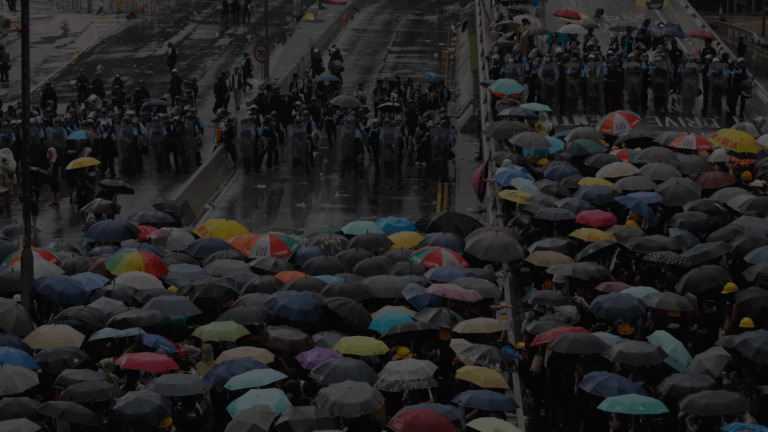
Independent media, political leaders, civil society leaders, organizations, and members of the general public face overt and systematic retaliation if they openly criticize or challenge the regime of Miguel Díaz-Canel and the PCC. Independent media outlets are forced to operate underground; the Cuban state has a constitutional monopoly over the media, and journalism done outside the state is outlawed. Civil society law gives the PCC control over the recognition of organizations, which cannot be political in nature within Cuba’s one-party system. Individuals and groups that defy these prohibitions and voice criticism of the regime are systematically harassed, detained, abused, tortured, imprisoned, and forced into exile. Protests and gatherings of regime critics are systematically criminalized and repressed.
Institutions in Cuba fail to serve as a check on the regime in any capacity. The PCC wields power over all aspects of governance within the one party-state framework. There is no separation between the executive, legislative, and judicial branches. Judges and prosecutors are subservient to the regime. The PCC-controlled judiciary enables regime action that silences dissidents. At the same time that party critics are unfairly criminalized, Cuban officials are able to commit serious crimes with impunity.