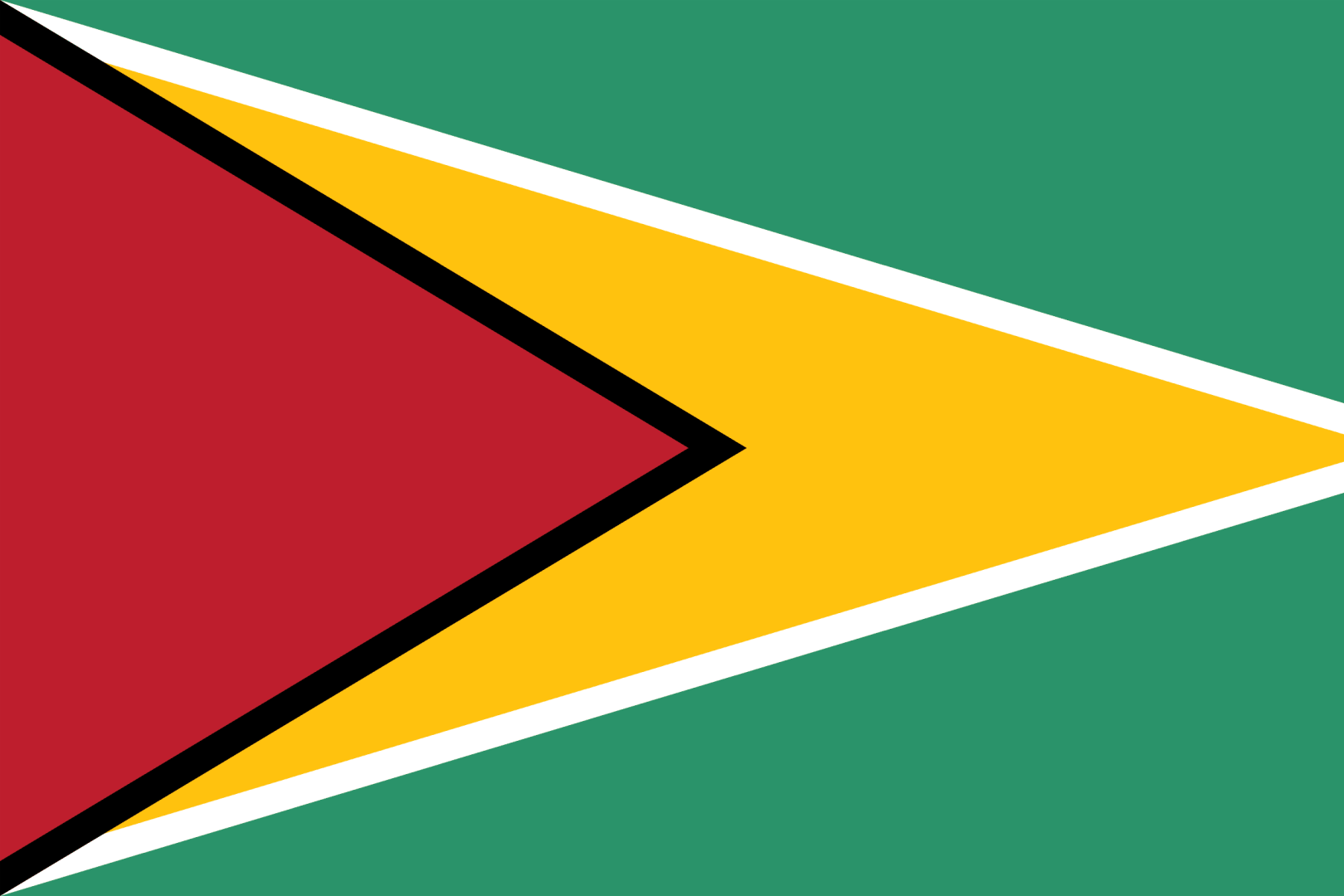
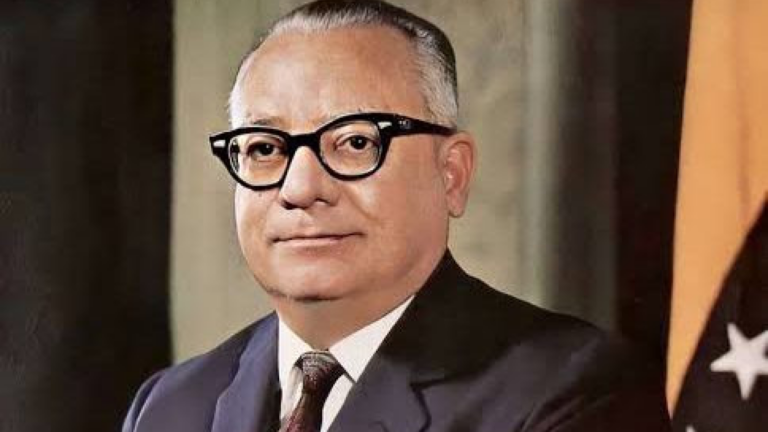
Guyana is a parliamentary democracy that has held mostly free and fair elections since 1992, but has experienced challenges tied to the legacy of authoritarian rule and interethnic political conflict. The country gained its full independence from the United Kingdom in 1966 under the rule of Prime Minister Forbes Burnham and the People’s National Congress (PNC) party. In the years following Guyana’s independence, Burnham acted to maintain himself and his party in power unjustly by engaging in widespread electoral fraud as well as violent repression of dissidence. Burnham also exploited Cold War politics to leverage foreign funding to finance his grasp on power. After Burnham’s death in 1985, the PNC held onto power until 1992, when the People’s Progressive Party/Civic Alliance (PPP/C) won the general elections. However, even after Guyana initiated its transition to democracy, violent electoral conditions persisted throughout the early 2000s due to lasting political tensions between Indo-Guyanese and Afro-Guyanese communities. In Guyana, political parties have traditionally been defined by ethnic cleavages more so than by political ideology. In 2020, an electoral crisis emerged after former president David Granger and his coalition, A Partnership for National Unity and Alliance for Change (APNU+AFC), declared victory during snap elections. However, irregularities led to a recount, which ultimately revealed that some votes had been miscounted, leading to a transition of power. On August 2, 2020, President Irfaan Ali was sworn in, and the PPP/C became the majority party in the legislature. In September 2025, Ali and the PPP/C were re-elected for a second term in office.
Key Highlights
National elections in Guyana are largely free and fair. However, the party in power does enjoy some campaign advantages that distort the playing field. The mainstream parties and their coalitions, such as the PPP/C and the APNU+AFC, regularly compete for seats in the National Assembly. Guyana’s primary electoral body, the Guyana Elections Commission (GECOM), effectively manages elections, but it suffers from politicization and limited oversight capacities. The GECOM lacks the ability to effectively oversee campaign finance, and due to the lack of regulation, incumbents are able to use state resources to campaign. Nonetheless, independent electoral missions are regularly invited to oversee elections, and the current governing authority has not significantly exacerbated the weaknesses of the GECOM.
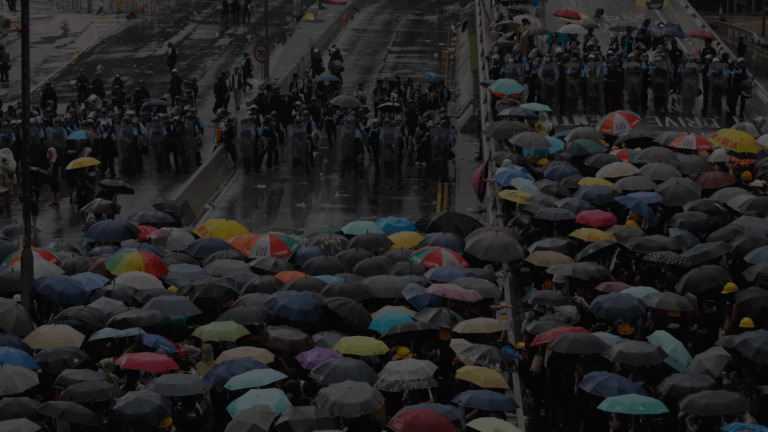
Independent media, political leaders, civil society leaders, organizations, and regular people in Guyana are largely free to openly criticize or challenge the government. A moderately diverse array of media companies and civil society organizations (CSOs) operate freely and are able to act as government watchdogs. Occasional infringements upon the rights of dissidents have been reported, including the judicial harassment of journalists by government officials in retaliation for negative coverage and criticism. The right to peacefully assemble is guaranteed by the Guyanese Constitution and generally upheld by the government. However, incidents of disproportionate use of force and police violence do continue to occur.
Institutions are independent and serve as a check on the government. The independence of the courts serves to protect the rights of dissidents and Guyana’s electoral integrity. Institutions are also able to hold government officials accountable for wrongdoing, even as accountability mechanisms could be improved and strengthened. Necessary institutional reform has been postponed by multiple administrations, but efforts to amend the Constitution and reform the judiciary are ongoing.