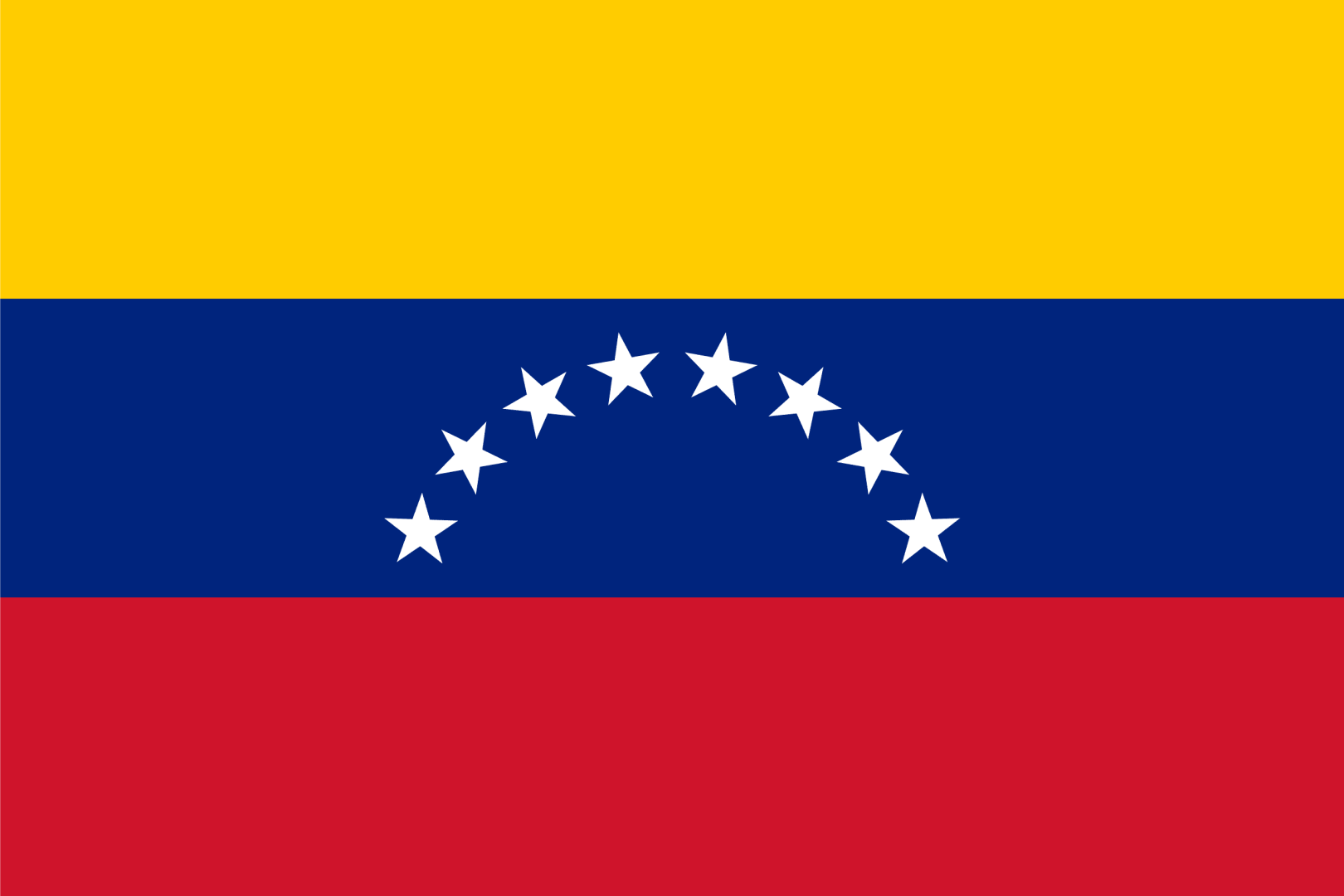
HRF classifies Venezuela as ruled by a fully authoritarian regime.
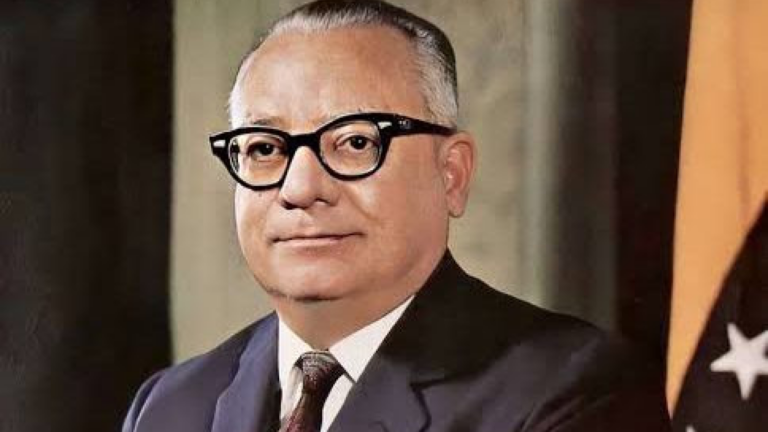
The consolidation of power in the hands of President Nicolás Maduro and his ruling party, the United Socialist Party of Venezuela (PSUV), was preceded by the progressive erosion of the country’s democratic institutions under former president Hugo Chávez, as well as a period of significant political instability at the turn of the 20th century, which led to Chávez’s rise. In 1992, Chávez gained political prominence after he led a failed coup against then-President Carlos Andrés Pérez. The following year, Pérez was impeached on corruption charges, and in 1994, his successor pardoned Chávez. This cleared the way for Chávez’s successful 1998 presidential campaign. After taking office in 1999, Chávez displayed increasingly authoritarian tendencies, a trend that intensified after 2002, following a coup attempt led by segments of the military, with the support of some of the civilian opposition. The coup attempt failed, and Chávez hardened his stance towards all critics and dissidents; he went on to rule the country until his death in 2013. Following Chávez’s death, former Vice President Nicolás Maduro rose to power, under whom Venezuela’s democratic backsliding accelerated, and serious, systematic human rights abuses intensified. During the 2024 general elections, the regime overtly falsified elections to unfairly maintain Maduro in power. Additionally, under Chávez and Maduro, non-state actors allied with the regime have contributed significantly to authoritarian consolidation in Venezuela. Armed groups—such as guerrillas, urban militias, and gangs—have been known to engage in electoral violence and repress dissent on behalf of the regime in exchange for resources, such as weapons, and control of illicit economies.
Key Highlights
In Venezuela, national elections are a sham, to the point where the real, mainstream political opposition does not have a realistic chance to meaningfully compete and possibly win. President Nicolás Maduro and the PSUV have engaged in widespread electoral fraud so as to unfairly remain in power. Non-state actors with ties to the regime regularly intimidate and coerce individuals into voting for Maduro and the PSUV. Regime officials have also unfairly barred prominent opposition candidates and political parties from competing in elections.
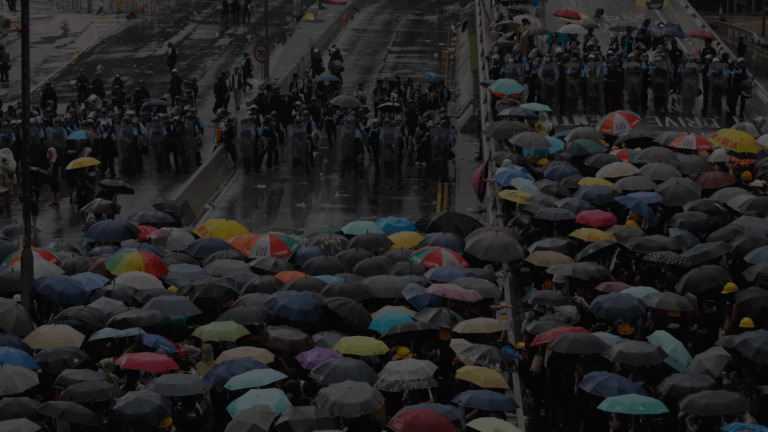
Independent media, political leaders, civil society leaders, organizations, and members of the general public face overt and systematic retaliation if they openly criticize or challenge the regime of Nicolás Maduro and the PSUV. Dissidents regularly face arbitrary detentions, physical aggression, and judicial harassment from regime officials—in the most extreme cases, officials have forcibly disappeared and killed dissidents. The regime in Venezuela has also unfairly persecuted independent dissenting organizations, leading many to shut down or leave the country. Dissidents who are forced into exile due to the regime’s persecution continue to face risks abroad due to transnational repression. Armed non-state actors with ties to the Maduro regime have also been implicated in the kidnapping and assassination of dissidents abroad.
Institutions in Venezuela largely fail to serve as independent checks on the regime. The judiciary, as well as regulatory bodies and oversight institutions, are subservient to Nicolás Maduro and the ruling PSUV party. Venezuela’s institutions largely fail to uphold electoral integrity and do not protect the rights of dissidents. In effect, judges regularly facilitate regime action that undermines the political opposition and silences critical voices. At the same time that critics and political leaders are unfairly criminalized, regime officials are able to commit serious crimes with impunity.