

How Bitcoin Helps Civil Society Groups Resist Repression
As financial systems have grown more digital and centralized, they have become easier to monitor, pressure, and control. Repression today is enforced by more than just politicized police and rigged courts: it is enforced through corrupted financial infrastructure.
Consider what happened to Alexei Navalny’s movement in Russia, to pro-democracy activists in Hong Kong whose bank accounts were frozen after the National Security Law, or to the thousands of Nigerian protesters whose accounts were shuttered after the EndSARS demonstrations in 2020. In each case, the weapon was the same: the banking system.
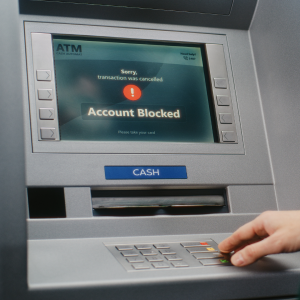
For nonprofits, the technology of money has turned into a major point of vulnerability. Organizations depend on financial systems that dictators can censor or shut down. These systems ultimately determine who can fundraise, who can pay staff, and who is allowed to function at all.
Financial repression takes many forms:

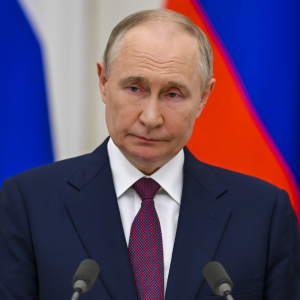
Authoritarian regimes pressure banks and payment platforms to monitor nonprofits, flag activity as “suspicious,” and funnel financial data to authorities. In China, the social credit system extends into financial transactions; in Egypt, nonprofit bank accounts are subject to routine government audits designed to intimidate rather than guard against misuse.
Censorship
Exclusion
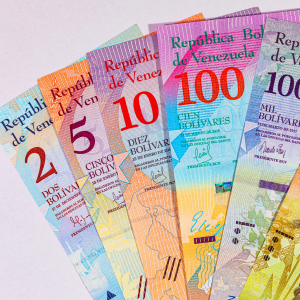
Currency devaluation


Restricted access to foreign currencies
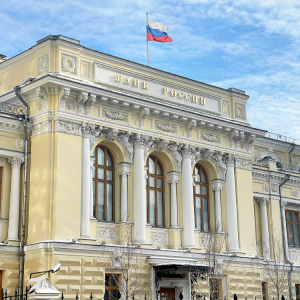
Regulatory harassment
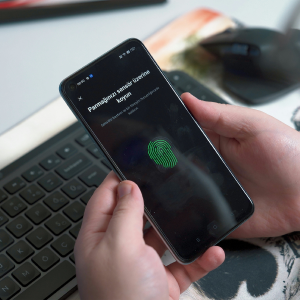
Digital ID-linked controls
Why Bitcoin is Freedom Money
Bitcoin can help nonprofits route around many of these authoritarian regime-created choke points.
Bitcoin runs on a global, peer-to-peer system. No central bank, company, or authority approves transactions or holds accounts. Users control their own funds and send money directly to one another over the internet. This is why Bitcoin has earned the nickname “freedom money.”
This architecture changes the balance of power, tipping it against:
- Surveillance: Bitcoin transactions, done properly, protect financial privacy and reduce reliance on institutions that automatically report activity to authorities. However, if a nonprofit uses one static address for all donations, the entire world can see its total balance and every transaction made.
- Censorship: No one can block a Bitcoin donation or refuse a transfer.
Exclusion: Participation requires no approval from authoritarian regime-controlled banks and financial intermediaries. Anyone can use the network, regardless of gender, beliefs, birthplace, wealth, or status. - Currency collapse: Funds are held in money independent of failing local currencies. Bitcoin is volatile, but since its creation, it has been the best-performing financial asset of all time, rising from less than one cent to more than $80,000 as of the publication of this guide.
- Account freezes: When properly secured, Bitcoin held in self-custody is far more resistant to freezing or seizure through traditional banking channels. A Bitcoin password can even be memorized, expanding private property rights to any human being.
- Capital controls: Bitcoin can be transferred across borders without requiring permission from any banking system.
- Identity independent: Does not require a form of identification to use.
Bitcoin has already reached hundreds of millions of people worldwide. According to a 2026 study out of Cornell University supported by The Reynolds Foundation, more than 20% of the population in countries like El Salvador, the UAE, Turkey, and Venezuela have already used the currency.




What Is Bitcoin?
Bitcoin is digital money that exists as a global network rather than inside a centralized bank. No company or government runs it. Instead, tens of thousands of independent computers maintain the system together, from server farms in Texas and Iceland to small machines humming in basements in Accra and São Paulo. No one knows who created Bitcoin: the identity of Satoshi Nakamoto, who forged the currency’s underlying technology and authored the white paper that introduced it, remains a mystery. The creator’s identity does not matter, however. If Satoshi came back today, he or she would not be able to change Bitcoin. The system has grown far beyond any individual’s control.
When someone sends bitcoin from a wallet on their phone to someone else, the payment is recorded on a shared public ledger called the blockchain. This ledger is not controlled by any single institution: it is maintained collectively by people around the world running the Bitcoin software on their own computers.
Each bitcoin (1 BTC) is divisible into 100 million units called satoshis (or “sats”), so you never need to own a whole bitcoin to use it. Most transactions involve small fractions of 1 BTC, similar to using cents instead of whole dollars. Unlike government money, there will only ever be 21 million bitcoin. More than 95% of the total bitcoin that will ever exist has already been issued. By 2140, no more will ever be created. Bitcoin is the only truly scarce digital asset. It is the only money in history with a supply that no one can inflate: not a president, not a central banker, not a dictator.
DID YOU KNOW
What Is a Bitcoin Wallet?
A Bitcoin wallet is a digital wallet that lets you control your bitcoin. It can be an app on your computer or phone, or a small device about the size of a USB stick that you keep in a drawer or safe. It is the tool individuals or organizations use to receive, store, and send funds on the Bitcoin network.
Is a Bitcoin wallet the same as a bank account? Yes and no. Like a bank account, a Bitcoin wallet is how you access your funds. However, when a bank stores funds on your behalf, the bank, and thus the state, controls access. A bank manager can freeze your account with a phone call. A Bitcoin wallet puts you in control. You own the credentials. This is called self-custody.
In self-custody, no bank can freeze your account. No government can take your money. But security is your responsibility. There is no customer service to call if something goes wrong. That tradeoff, the exchange of institutional convenience for personal sovereignty, might be something the average citizen can afford to make, but for a dissident, it’s not an option.
It is fair to wonder if everyone on earth should control their own money. We think so. But regardless, human rights groups operating under authoritarian regimes don’t have a choice. They cannot trust their governments to hold their money for them.
Note: See the “Recommended Tools” section for wallet suggestions.


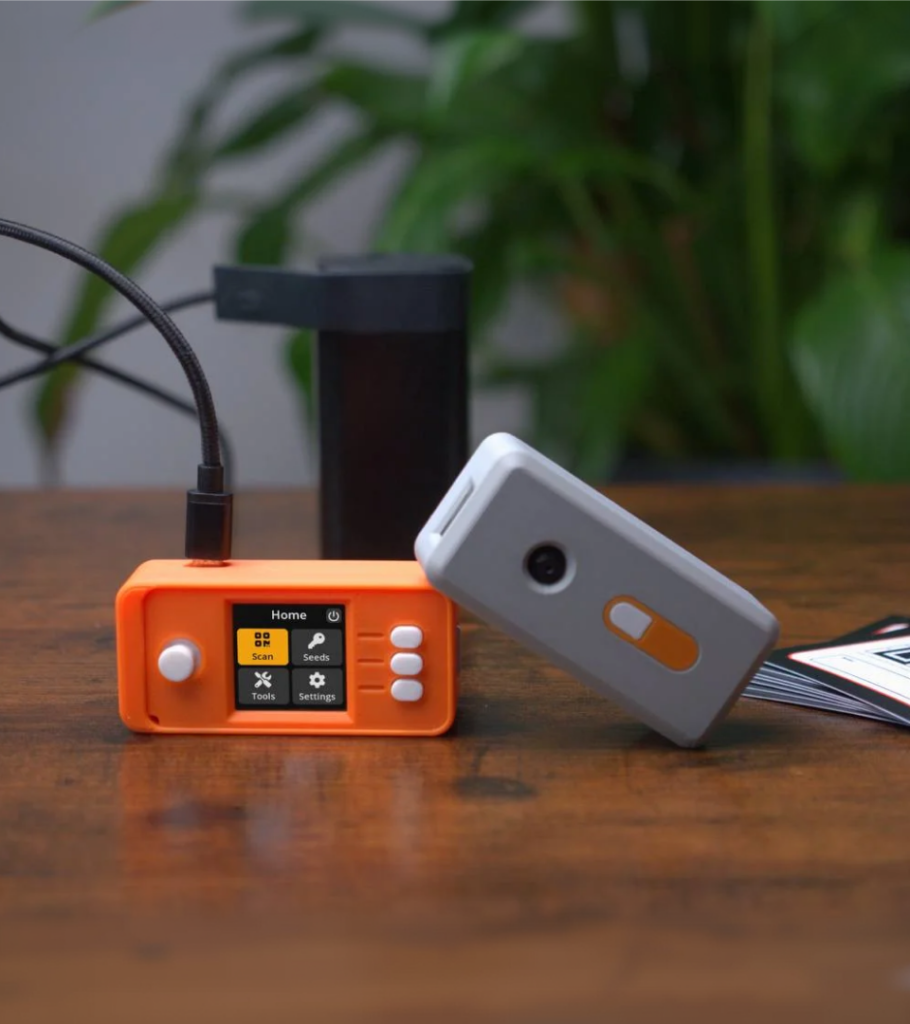
SeedSigner, a signing device to safeguard Bitcoin keys.
How Do You Keep Your Bitcoin Secure?
How Do You Receive Bitcoin?
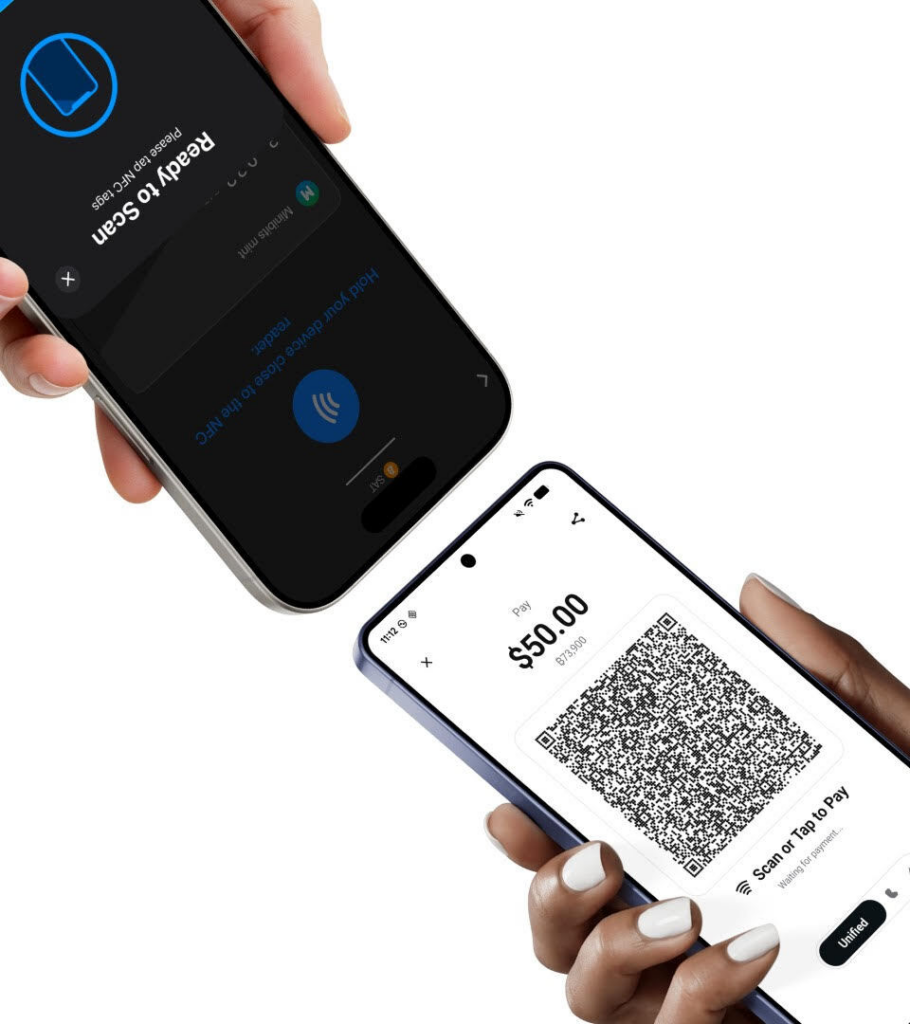
When you click “receive bitcoin” in a wallet, it generates a string of letters and numbers which is a bitcoin address. It looks something like this: bc1qxy2kgdygjrsqtzq2n0yrf2493p83kkfjhx0wlh. You give this address to anyone who wants to send you money. Wallets can also display the string as a QR code for convenience, so a donor can simply scan the code and send.
When a donor sends bitcoin to your address, it arrives directly in your wallet within minutes. No bank is involved. No wire transfer fees. No three-to-five business day waiting period. The amount is visible and yours to control. Whether the sender is in Oslo or Osaka, the experience is the same: scan, send, arrive.
As a reminder, Bitcoin transactions are recorded on a public ledger, which is not a central place but a decentralized account book living on thousands of servers across the world. Payments can be viewed by anyone using a blockchain explorer, a kind of search engine for Bitcoin transactions. Because these records are public, how you manage your addresses and how you link your identity to your activity affects your privacy.
For example, if you create an account on an exchange like Coinbase, buy bitcoin, then send it to a new address, Coinbase, and thus dozens of governments can assume that the bitcoin living in the new address is yours. It’s not a safe assumption: you could have been paying for service or making a donation. But it’s enough of an assumption that they might want to talk to you about it. On the other hand, if you buy bitcoin with cash and send it to a new address, no one can know it was you, because you never linked your bitcoin to your identity. The difference is not in the technology itself but in how you use it. More on this later.
For privacy’s sake, you should generate a new address every time you receive bitcoin. Most wallets do this automatically.
How Do You Send Bitcoin?
Sending Bitcoin is straightforward. Your wallet asks you to: 1) enter the recipient’s address or scan a QR code, 2) choose the amount, and 3) confirm. Once confirmed, the payment moves peer-to-peer across the Bitcoin network without approval from any bank or platform. There is no routing number, no SWIFT code, no intermediary skimming a percentage. Just two wallets and the open network between them.
Wallets, recovery phrases, and direct transactions: taken together, they allow nonprofits to hold and move funds without relying on traditional financial institutions. This structure is what makes Bitcoin resilient in environments where banking systems are restricted or weaponized.

Bitcoin's Core Attributes
This section explains why Bitcoin withstands authoritarian financial control. Bitcoin’s specific properties allow it to function when traditional systems are pressured, manipulated, or shut down entirely.

ATTRIBUTE 1
Bitcoin mining
There is no central authority in Bitcoin that processes transactions. Instead, when users send payments, they are placed into a queue, and “miners” scoop up pending transactions. Miners run specialized computers to try and win a special kind of lottery to be the one who gets to put their bunch of transactions into the blockchain.
On average, every 10 minutes, one lucky miner “wins” and is paid handsomely, and their selected transactions go into the blockchain. Because there are so many miners operating globally who don’t even know each other, and who are always in a race to make the most money possible off fees, it is impossible to censor individual transactions. Someone, somewhere, will eventually process it. And almost always, that process will happen in a matter of minutes, especially if you elect to pay a higher-than-normal fee, as miners are motivated overwhelmingly by earning fees.

ATTRIBUTE 2
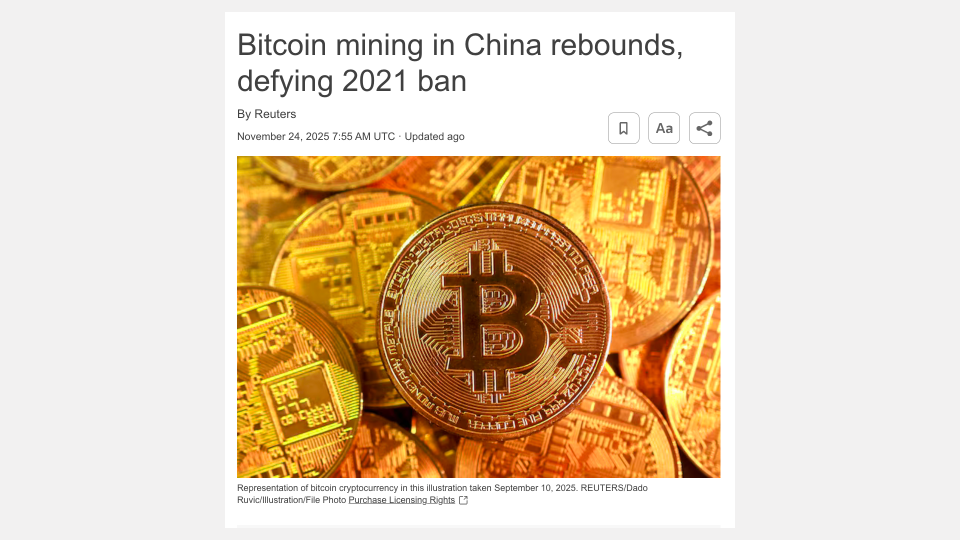
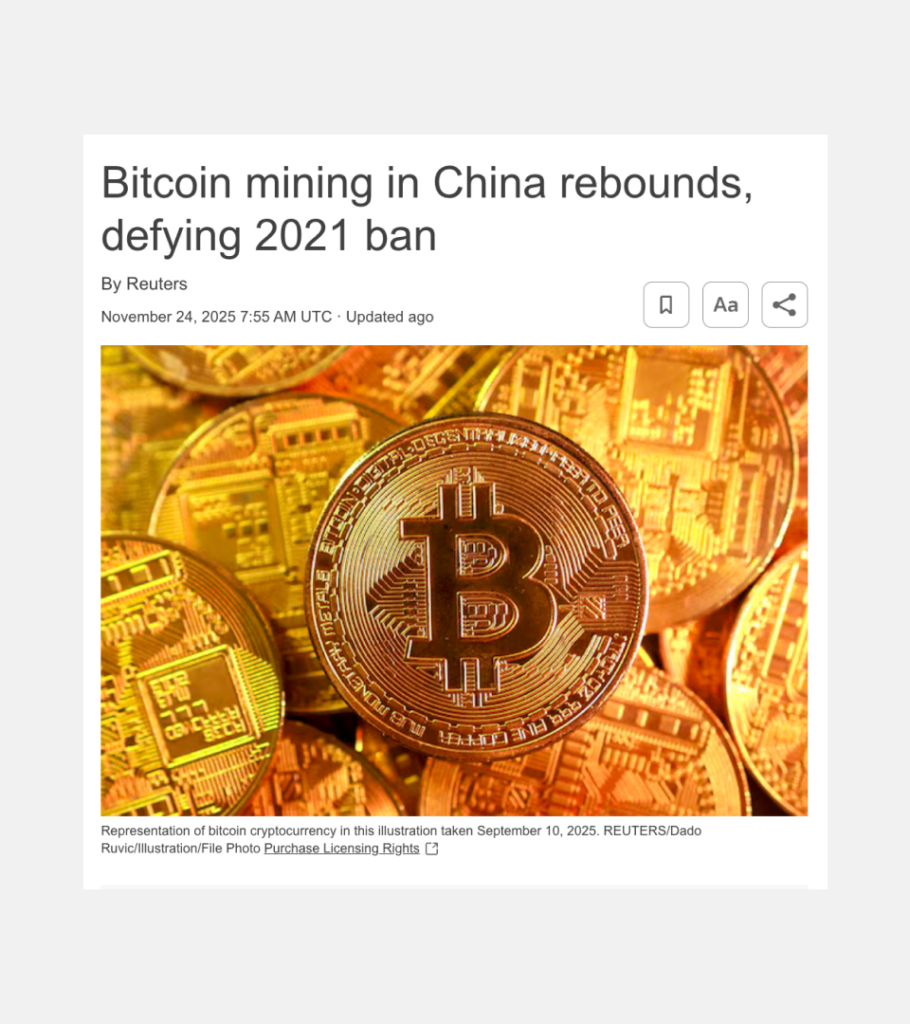
In the spring of 2021, China banned Bitcoin mining overnight. Hundreds of thousands of mining machines across the Uyghur Region, Sichuan, and Inner Mongolia went dark. The world’s second-largest economy, which at one point hosted more than 65% of Bitcoin’s global computing power, decided to pull the plug. For a few weeks, critics declared Bitcoin wounded, perhaps fatally, as the hashrate (the total amount of electricity directed towards the Bitcoin network) plummeted by more than 70%. But the network didn’t die. Within months, miners had relocated to Texas, Kazakhstan, Paraguay, and dozens of other countries. The hashrate remarkably recovered and, within a few months, surpassed its previous high. China tried to kill Bitcoin, and Bitcoin simply moved.
This is possible because Bitcoin has no central operator. Tens of thousands of independent computers distributed around the world run the Bitcoin software, maintain the network, and process transactions. There are no central headquarters to raid, no servers to seize, and no single point of failure.

ATTRIBUTE 3
In Afghanistan, after the Taliban returned to power in 2021, women were barred from most employment and banking became nearly impossible. In Togo, farmers in rural villages have never had a bank account in their lives, because the nearest branch is a full day’s journey away and the minimum deposit exceeds a month’s income. In Russia, organizations labeled “foreign agents” are systematically excluded from the financial system.
Bitcoin does not care about any of this. There are no identity approvals and no institutional gatekeepers deciding who qualifies. A small grassroots group in a Togolese village and a large international NGO in Geneva access the same financial network under the same rules. This equality of access is unusual in finance, especially under authoritarian regimes, where entry to the financial system is often mediated by institutions loyal to the state.

ATTRIBUTE 4

ATTRIBUTE 5
In Venezuela between 2016 and 2019, the bolívar collapsed so violently that prices changed between morning and afternoon. Workers would rush to spend their salaries the same day they were paid, because by the following week, the money would buy half as much. Shopkeepers would update prices on their shelves twice a day. Savings accounts became a cruel joke: the money sitting in the bank was worth less with every passing hour. The IMF estimated that Venezuela’s inflation rate surged to more than one million percent in 2018. Organizations that held reserves in bolívares watched their operational budgets disintegrate.
This is not unique to Venezuela. Turkey, Argentina, Nigeria, Egypt, Lebanon: the list of countries where national currencies have been devastated by mismanagement and political corruption is long and growing. Historically, catastrophic inflation has ruined economies in Zimbabwe, Hungary, Zaire, Yugoslavia, Bolivia, Venezuela, and countless other places. In these environments, holding savings in local currency is not prudent, but hopeless. Citizens in these countries typically have no access to, for example, American bonds, Nvidia, or Apple stock. Gold and dollars are often prohibited, leaving people few options but to place their savings in cattle, sheet metal, or cinderblocks.
Bitcoin’s total supply is fixed at 21 million coins. New issuance follows a transparent schedule that no government or central bank can change. The short-term price is volatile, but over five- and ten-year increments, bitcoin’s value has increased dramatically against every fiat currency on earth. Since its inception, bitcoin has been the best-performing asset in history. For nonprofits operating in countries with weakening currencies, holding even a small portion of reserves in bitcoin offers a medium- to long-term hedge that no local savings account can provide, and a massive upgrade over a cinderblock.

ATTRIBUTE 6
No built-in surveillance
Using Bitcoin does not require opening an account tied to a legal identity. Payments move between Bitcoin addresses, not personal profiles. Transactions are public on the blockchain, but a user’s identity is not automatically attached. There is no name or phone number natively linked to each transfer. The level of privacy for Bitcoin transactions depends on how it is used. If you buy bitcoin on a regulated exchange with your passport and credit card information, the trail leads back to you. Purchases made peer-to-peer with cash, however, can escape the financial surveillance of an authoritarian regime.
With good operational practices, organizations can significantly reduce the financial data they expose to centralized databases built for monitoring. In countries where being identified as a donor to human rights or pro-democracy groups can result in prison sentences or worse, this distinction is existential.

ATTRIBUTE 7
ATTRIBUTE 8
Bitcoin is secured by cryptography and a globally distributed network. Every transaction is verified by thousands of independent participants before being added to the public ledger.
Once recorded, a transaction cannot be quietly altered or erased. Rewriting history would require overpowering the entire global network. The energy cost alone would exceed the GDP of most countries. Unlike with fiat banks, balances cannot be manipulated behind the scenes. There is no back door for an account manager, no executive override, and no emergency government decree that can reverse a confirmed transaction. The rules are transparent, predictable, and enforced by code rather than by the whims of authoritarian rulers.

ATTRIBUTE 9
Resilient under stress
Bitcoin functions in imperfect environments. Funds can be restored from a recovery phrase even if devices are lost or confiscated. Some tools work on basic hardware. Others allow value to move through alternative communication channels when internet access is unreliable. A 12 or 24-word seed phrase is recoverable on practically any wallet, on any device, in any country.
No single feature guarantees resilience. The durability comes from a system that does not depend on any one company, server, or country. When China shut down mining, the network migrated. When India briefly banned Bitcoin exchanges, peer-to-peer trading surged. When Nigeria restricted bank transfers to Bitcoin platforms, citizens found workarounds within days. The network adapts because no one controls it, and no one can turn it off.
Together, these properties explain why nonprofits increasingly treat Bitcoin as contingency infrastructure: a plan B for receiving, holding, and moving funds when traditional financial gates slam shut.
Bitcoin vs. Other Cryptocurrencies vs. Stablecoins
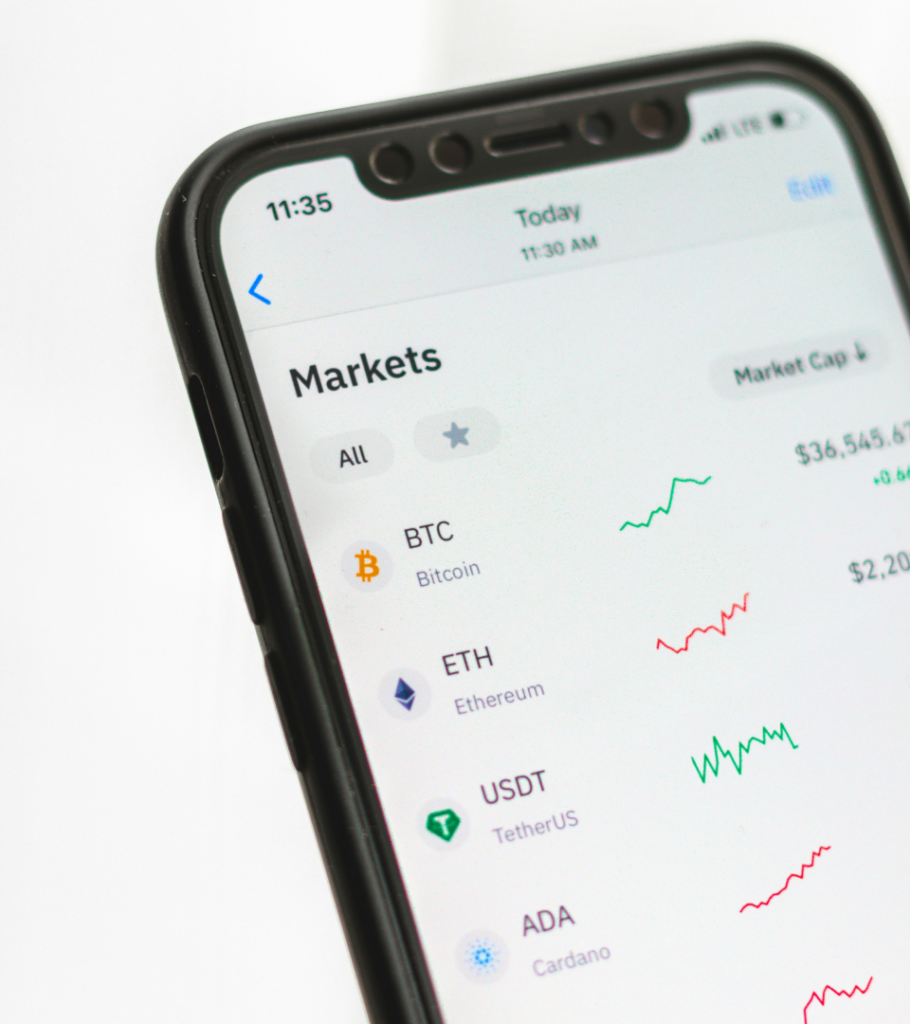
Cryptocurrency is an umbrella term covering various types of digital money. Most cryptocurrencies, like Ethereum or Solana, are created, issued, and controlled by companies or foundations. Others, known as “stablecoins,” are pegged to the value of dollars or other national currencies. Only one, Bitcoin, was designed to operate without any central control.
For organizations working under financial pressure, these design differences matter enormously. What looks similar on the surface behaves very differently when institutions are pressured or fail.
Bitcoin vs. Other Cryptocurrencies
Tens of thousands of cryptocurrencies exist, but they are not all built with the same goals or risk model.
Except for Bitcoin, all cryptocurrencies have been created and maintained by companies, foundations, or centralized development teams. Their networks depend on a relatively small, identifiable group of people who maintain the software, approve changes, and make governance decisions. That structure allows faster experimentation, but it also means that rules can change, and leadership can be pressured to act against users’ interests. If a system relies on a small group to function, that group becomes a point of vulnerability: a throat that an authoritarian regime can choke.
Bitcoin minimizes that dependency. Its rules are not enforced by a central organization, executive team, or governing foundation, but by a global network of independent participants who voluntarily run the Bitcoin software. Changing those rules requires broad consensus across the entire network, rather than approval from a leadership body. Bitcoin optimizes for stability and resistance to capture. This is why, after 17 years of operation, Bitcoin’s core monetary properties remain unchanged: 21 million coins, open access, no central authority. No other cryptocurrency can make that claim.
If you use Bitcoin, you are not depending on a company or foundation to remain solvent and resist political pressure. The system’s durability comes from its distributed governance.
Bitcoin vs. Stablecoins

Bitcoin Wallets
A Bitcoin wallet is an app or small device that lets you receive, hold, and send bitcoin. A Bitcoin wallet holds the private key (the secret information that authorizes access to your bitcoin), physically represented by your 12- or 24-word recovery phrase.
Whoever controls the private key controls the bitcoin. There are no account managers or a customer support desk. Custody is one of the most important operational decisions an organization makes, because it determines not just who holds the money, but who can lose it, who can steal it, and who can be pressured into surrendering it.
Types of Custody
Custody means who holds the private key. There are two approaches:
- Custodial wallets store your bitcoin with a third party, such as an exchange, which keeps your private key. These wallets can be easier to set up, but you are trusting a provider with your bitcoin. When cryptocurrency exchange platform FTX collapsed in 2022, billions of dollars in customer funds vanished overnight. Balances can be frozen, seized, or lost if the intermediary fails, bows to political pressure, or gets hacked. A custodial wallet is only as safe as the company holding the keys, and companies operating under authoritarian regimes face significant pressure and attacks on their independence.
- Self-custodial (sometimes called non-custodial) wallets place the private key directly in you or your organization’s control. Access is backed up with a 12- to 24-word recovery phrase that you secure. These wallets require more responsibility, but no authoritarian regime-controlled intermediary institution that can unilaterally and arbitrarily block transactions or confiscate funds. This is what makes you unstoppable.
The choice is between convenience and independence. In this guide, we only recommend self-custodial tools.


Where Is Your Private Key Generated and Stored?
- Hot wallets keep private keys on internet-connected devices, such as a phone or desktop app. These wallets are easy to use, suited for frequent transactions, and familiar to anyone who has used a mobile banking app, but their online exposure increases risks of phishing, malware, or device compromise. Think of a hot wallet like cash in your pocket: convenient for daily spending, but you wouldn’t carry your life savings in your jeans. Examples: Muun, AQUA, BULL Wallet, BlueWallet
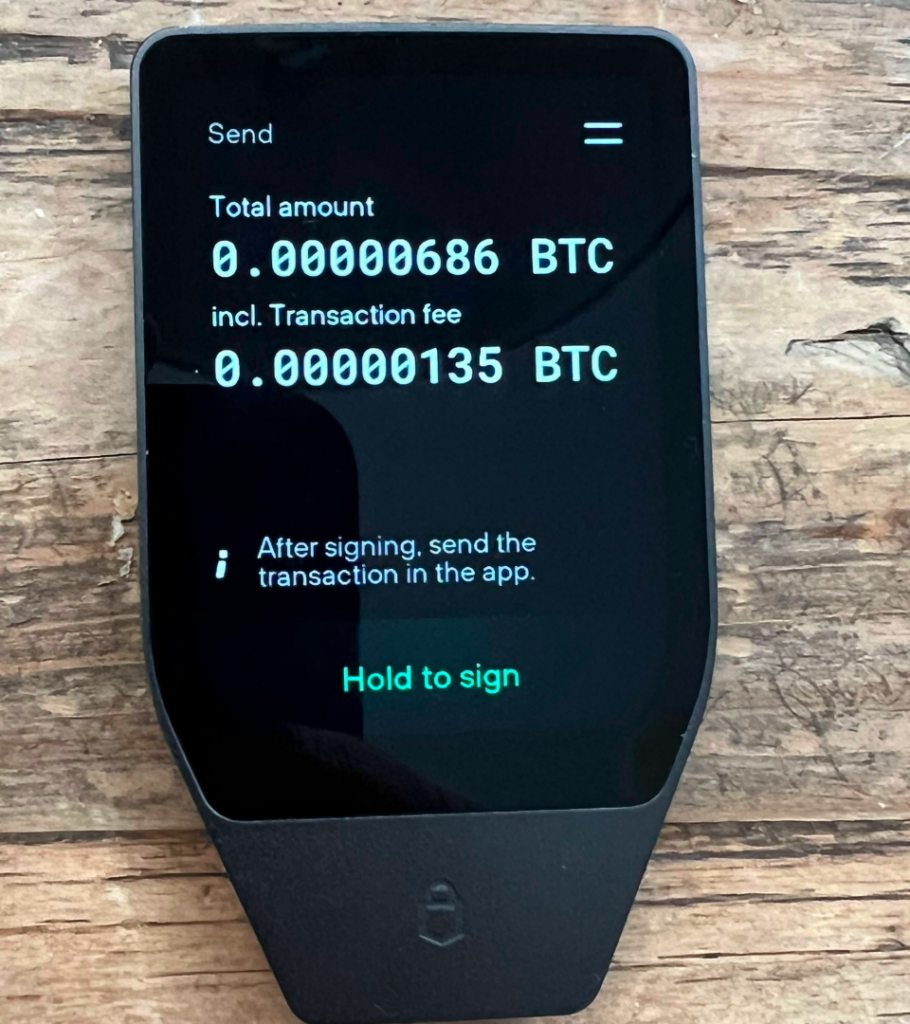
- Cold wallets generate and store private keys offline, typically on dedicated hardware about the size of a USB stick or a small calculator. Because they stay disconnected from the internet, they offer stronger protection against online attacks and are better suited for long-term reserves and larger balances. Think of a cold wallet like a safe deposit box: harder to access quickly, but much harder for anyone else to access at all. Examples: Trezor, Bitkey, SeedSigner
Practical Setup
Multisignature (Multisig) Wallets
Exchanging Bitcoin
In order to use bitcoin, your organization will need to buy it or convert it into local currency. Because Bitcoin operates outside of the traditional banking system, this is done through exchanges or peer-to-peer markets. No single method works everywhere. The right choice depends on your environment, your risk tolerance, and how visible your organization can afford to be.


The Lightning Network for Instant, Low-Cost Payments
- Centralized exchanges are online platforms like Binance, Coinbase, Kraken, and others, where organizations buy and sell bitcoin using traditional currencies like the Venezuelan bolívar or US dollar. They are fast, liquid, and easy to use, with interfaces that feel familiar to anyone who has used an online banking app.
- Peer-to-peer (P2P) exchanges are often the most reliable option in many countries. In Caracas, a common way to buy bitcoin is through a WhatsApp message to a trusted contact: “¿Tienes sats?” The trader responds with a price. You meet at a café, hand over bolívares, and within minutes the bitcoin appears in your wallet. There’s no identity check, no bank involved, and no record in any authoritarian government database. The safest option might be someone you know locally, who is excited about Bitcoin, and is happy to buy it from you in exchange for local cash.
- Trusted local traders coordinating through WhatsApp, Telegram, or dedicated P2P platforms let organizations buy and sell bitcoin directly with other individuals with no custodial intermediary in the middle. These markets typically require less personal information and depend less on traditional banking infrastructure. What you take on is responsibility since pricing, communication, and trust-building happen person-to-person. Liquidity and reliability vary widely by country, and organizations must actively manage counterparty risk. P2P trading offers greater privacy and independence but demands more care. Popular platforms include Hodl Hodl, LocalCoinSwap, Bisq, RoboSats, and Vexl.
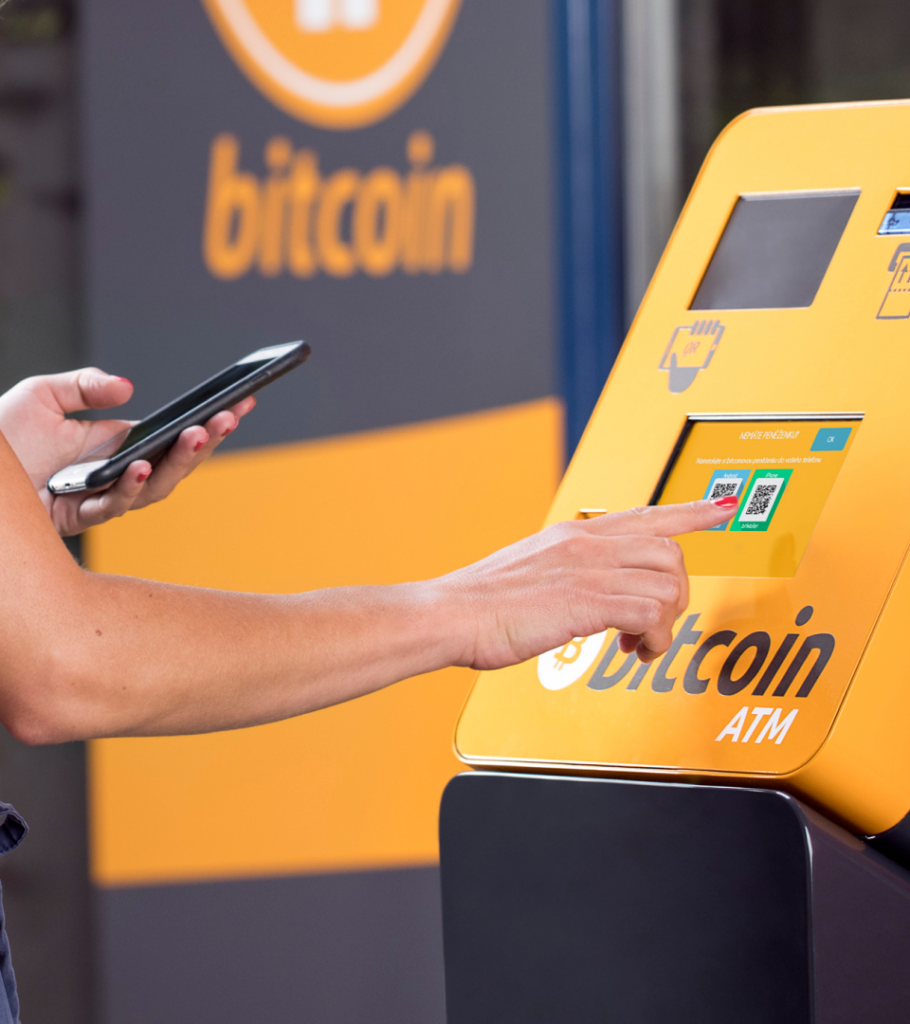
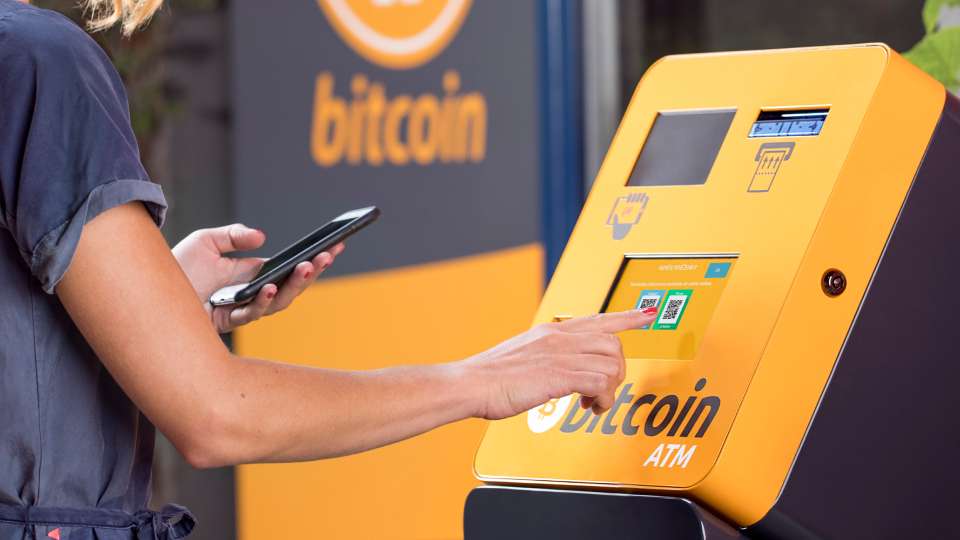
- Bitcoin ATMs are physical machines where individuals and nonprofits can buy and sell bitcoin using cash or cards. There are more than 38,000 of these ATMs installed worldwide, whether in shopping malls in Miami, convenience stores in Bogotá, or gas stations in Prague. Walk up, insert cash, scan your wallet’s QR code, and the bitcoin arrives on your phone. Some Bitcoin ATMs, like those in Hong Kong, do not require ID: you simply send bitcoin to the machine, and it spits out local currency. Combined with measures to evade in-person surveillance, ATMs can be an effective way to convert Bitcoin to cash privately. Requirements vary by jurisdiction; some require identity verification, while others allow smaller transactions with minimal personal data. In contexts where banking access is limited or heavily monitored, Bitcoin ATMs can provide a discreet bridge between cash and bitcoin. ATMs, however, often charge higher fees than online exchanges (typically 5–15%), and their availability depends on local infrastructure.
- Bitcoin vouchers like Azteco can be purchased with cash (or cards, depending on location) and redeemed directly into a self-custodial wallet. Instead of depositing money to a bank account or exchange, your organization buys a voucher code, like buying a prepaid phone card, and loads the bitcoin directly.
- Local Bitcoin communities, embassies, learning centers, and meetups are not exchanges, but they are practical resources that can make every other option work better. Informal networks and grassroots communities help organizations identify reputable trading partners, learn local best practices, and avoid scams. In many cities, from Accra to Buenos Aires to Beirut, there are regular Bitcoin meetups where newcomers can learn from experienced users and find trusted contacts for P2P trading. Building relationships takes time but significantly reduces operational risk. There are also established Bitcoin centers around the world, including in Chiang Mai, Bali, Mexico City, Nashville, Austin, and elsewhere, where one can join regular local Bitcoin programming and meet other Bitcoiners. Apps like Peach Bitcoin are great for finding local meetups.
- Brick-and-mortar Bitcoin brokers are physical storefronts where people exchange cash for bitcoin or vice versa. They are common in parts of Hong Kong, the Philippines, South Africa, and other jurisdictions where cash-based or informal markets dominate. In some neighborhoods, these brokers operate openly alongside traditional money changers; in others, they are more discreet. Face-to-face exchange remains viable when digital services are blocked or heavily monitored. Legal frameworks, pricing, and safety standards differ by country: nonprofits should evaluate local reputation, fees, and personal security before relying on in-person brokers.
Spending Bitcoin Directly
- Food and basic household goods
- Electricity, mobile phone minutes, and data
- Fuel and transportation
- Flights and accommodations
- Online services and subscriptions, including VPNs and AI tools

Ways of Exchanging Bitcoin
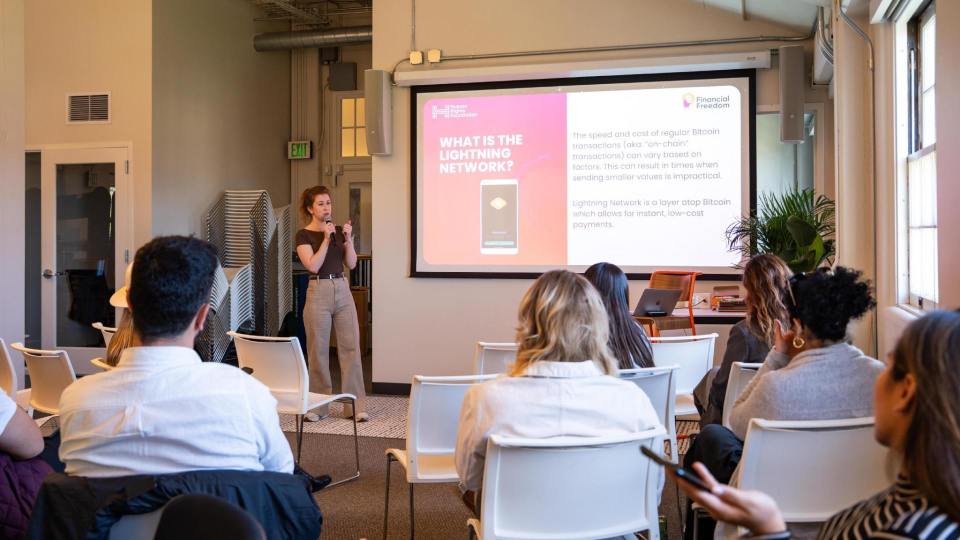
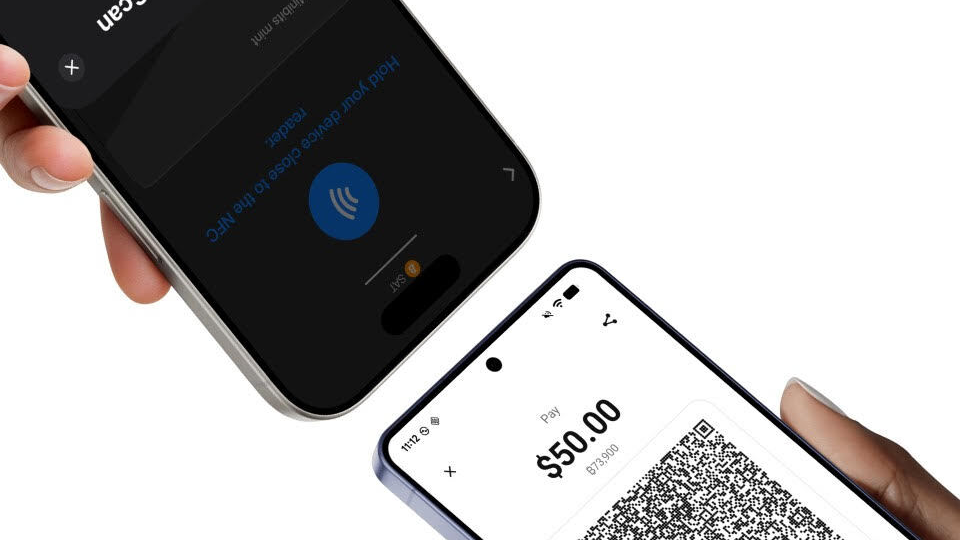
Everyday spending works best when payments are quick and inexpensive. That’s where the Lightning Network comes in. For small, fast payments, from local expenses and emergency support to micropayments and cross-border transfers, the Lightning Network lets you send bitcoin in seconds with very low fees.
Bitcoin’s base network prioritizes security and long-term settlement. It is designed to be unbreakable, and it achieves that by being deliberate: transactions are confirmed in blocks roughly every ten minutes, and fees can rise when the network is busy. Lightning handles high volumes of small payments without overloading that base layer. Instead of recording every small transaction on the main network, Lightning processes them off-chain and settles back to Bitcoin when needed.
Lightning is most useful when payments are frequent, time-sensitive, or small. For nonprofits, use cases could be:
- Receiving small donations from supporters worldwide
- Paying local expenses quickly without waiting for block confirmations
- Making private micropayments
- Sending emergency support during a crisis, when hours and minutes matter
- Moving operational funds between teams across borders
Lightning is not designed for storing large reserves. Think of it as cash in your wallet, while on-chain Bitcoin serves as your savings account. We recommend using a self-custodial Lightning wallet like Phoenix, BULL Wallet, or ZEUS, that puts you in control of your funds.
Using Bitcoin as Privately, Cheaply, and Quickly as Possible

Recommended Ecash Wallets
- Fedi: An ecash app where funds are held and managed by a federation. It combines bitcoin payments via ecash with encrypted messaging, and can be well-suited for nonprofits that want shared custody with strong privacy for both transactions and communications. Anyone can start a community and begin using ecash directly with their colleagues. Think of it as a private financial network for your organization, running on top of Bitcoin.
- Cashu.me: An ecash wallet accessible through any browser, providing ecash access through a variety of trusted mints. Users can choose their preferred mint, hold ecash tokens locally on their device, and send or receive private payments instantly via QR code or link. Cashu.me is accessible through a web browser and does not require an app download.
Bitcoin Crowdfunding
Bitcoin also changes how organizations fundraise, shifting the balance of power from platforms to people.
Traditional donation platforms sit between nonprofits and supporters. They delay payouts, collect donor data, and can suspend campaigns. GoFundMe froze millions of dollars raised for the Canadian trucker protests in 2022. PayPal has repeatedly suspended accounts of organizations it deems controversial. Centralized platforms can also be points of censorship. Bitcoin allows donations to move directly from supporter to organization, without intermediaries holding custody or asking questions.
For nonprofits, self-hosted crowdfunding reduces reliance on platforms that authoritarian regimes can pressure into compliance. It restores agency over how funds are received.
Another option for nonprofits looking to crowdfund using Bitcoin is to set up an organizational account on Nostr, a decentralized communications protocol used by apps like Damus or Primal. Primal users receive a Bitcoin wallet linked to their profiles. When users post, people can “zap” them bitcoin over the Lightning network. In this way, organizations or independent journalists can raise funds via social media without a platform standing between them and their supporters. This is also an especially powerful option for independent journalists.

Common Misconceptions: What Bitcoin Is and Isn’t
Bitcoin is one of the most misunderstood technologies in the world. Misleading headlines, political rhetoric, and public confusion create assumptions that stop many nonprofits from considering it, when these organizations stand to benefit most. The myths are persistent and deserve direct answers.
Myth 1: “Bitcoin is only for criminals.”
Myth 2: “You need to be a tech expert to use Bitcoin.”
Bitcoin’s underlying technology is complex, and headlines sometimes use jargon like blockchain, nodes, or keys in ways that make it sound like you need a computer science degree to participate.
If you can use WhatsApp, you can send and receive bitcoin. Modern wallets are designed to be intuitive, with clean interfaces that hide the cryptographic complexity underneath. Many nonprofits begin with no technical background at all, but with the right tools and guidance, they now regularly receive, store, and send bitcoin. For them, it feels no more complicated than any other app on their phone. There is still a learning curve, but it is measured in hours, not months.

Myth 3: “Bitcoin is too volatile to be useful as money.”
Myth 4: “Governments will just ban it.”
Some governments have attempted to restrict Bitcoin, and many assume that a sufficiently determined state could simply outlaw it into irrelevance.
Because Bitcoin does not depend on any single country, bank, or company to operate, a ban does not shut the system down outright. Even when governments have restricted access, people have continued using it through peer-to-peer exchanges, mobile wallets, and alternative access methods. Nigeria, China, and Russia, countries with very restrictive policies on using Bitcoin like money, also have some of the highest levels of Bitcoin use precisely because people seek alternatives to such tightly controlled financial systems. After Nigeria restricted bank transfers to crypto exchanges in 2021, for example, peer-to-peer Bitcoin trading volume in the country actually increased. A ban makes access harder, but it does not make Bitcoin stop working. When a totalitarian government says, “Hey, don’t use this money!” people will naturally wonder, “why not?”
The stories below show Bitcoin in action. Activists, nonprofits, and civil society groups are already using it when financial routes narrow, when speed is the difference between action and paralysis, when dictators cut off their fiat resources, and when staying operational requires new tools. These are concrete examples of what happens when organizations refuse to let authoritarian regimes control their money.
Anti-Corruption Foundation: Russia
Founded in 2011 by opposition leader Alexei Navalny, the Anti-Corruption Foundation set out to do something dangerous in Putin’s Russia: investigate and publicly expose the corruption underpinning the regime. Their investigations, meticulously researched and published on YouTube, have reached hundreds of millions of viewers. One film alone, documenting a lavish palace allegedly built for Putin on the Black Sea coast, was watched more than 100 million times. The Kremlin responded to their investigations with escalating surveillance and harassment. Although ACF’s bank accounts remained open for a time, relying entirely on state-controlled financial systems felt increasingly risky. The foundation began accepting bitcoin donations as a contingency.
That decision proved critical. In 2018, Putin blocked ACF’s bank accounts, cutting off access to the formal banking system overnight. The foundation’s leadership remembers the moment vividly: one day, they could pay salaries and legal fees, the next day, they could not access a single ruble through any bank in Russia. Because Bitcoin infrastructure was already in place, the foundation continued receiving financial support and paying expenses outside of channels vulnerable to Putin’s control.

The pressure intensified in 2021 when ACF was labelled an “extremist organization.” Donating to ACF became a criminal offense punishable by up to eight years in prison. With staff and donors facing personal risk, the organization was forced into exile. But Bitcoin meant ACF did not have to start over with finances, because a freedom payment rail was already in place. ACF continued receiving support from inside and outside Russia, paying staff, funding legal defense, and assisting prisoners of conscience, despite being locked out of every bank in the country. Supporters inside Russia could donate without their banks knowing, without their names appearing on a government list, and without risking eight years in prison for an act of conscience.
Bitcoin gave ACF continuity. When Putin’s regime cut off banking access and criminalized donations, Bitcoin kept the organization alive and connected to its supporters, beyond the reach of authoritarian-controlled financial systems.



Helping to Leave: Ukraine
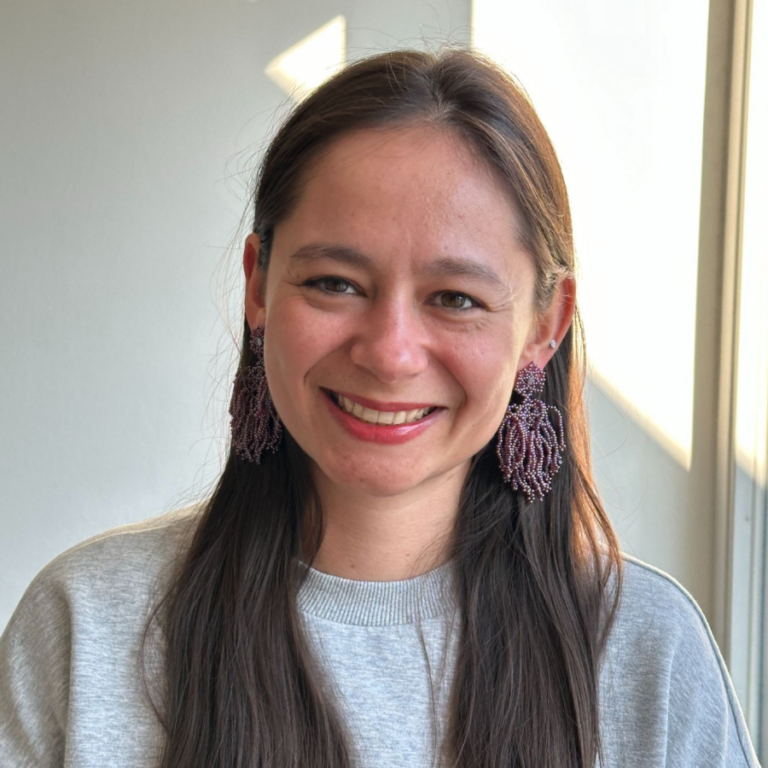
In our case, Bitcoin is a means of survival for the people that need our help. It’s not a speculation. And where banks fail and cash is risky, it enables action, safety, and freedom.
Converting bitcoin into local currency is straightforward. Peer-to-peer exchanges coordinated through Telegram bots and WhatsApp channels make it possible to swap bitcoin for hryvnia without exposing banking information or relying on formal intermediaries. A coordinator in Zaporizhzhia can receive bitcoin from a donor in Berlin, convert it to hryvnia through a trusted local contact, and pay a driver to evacuate a family from an occupied village, all within hours and without touching the formal banking system.
Bitcoin has been the difference between waiting on broken systems and acting when lives are on the line.

Voluntad Popular: Venezuela
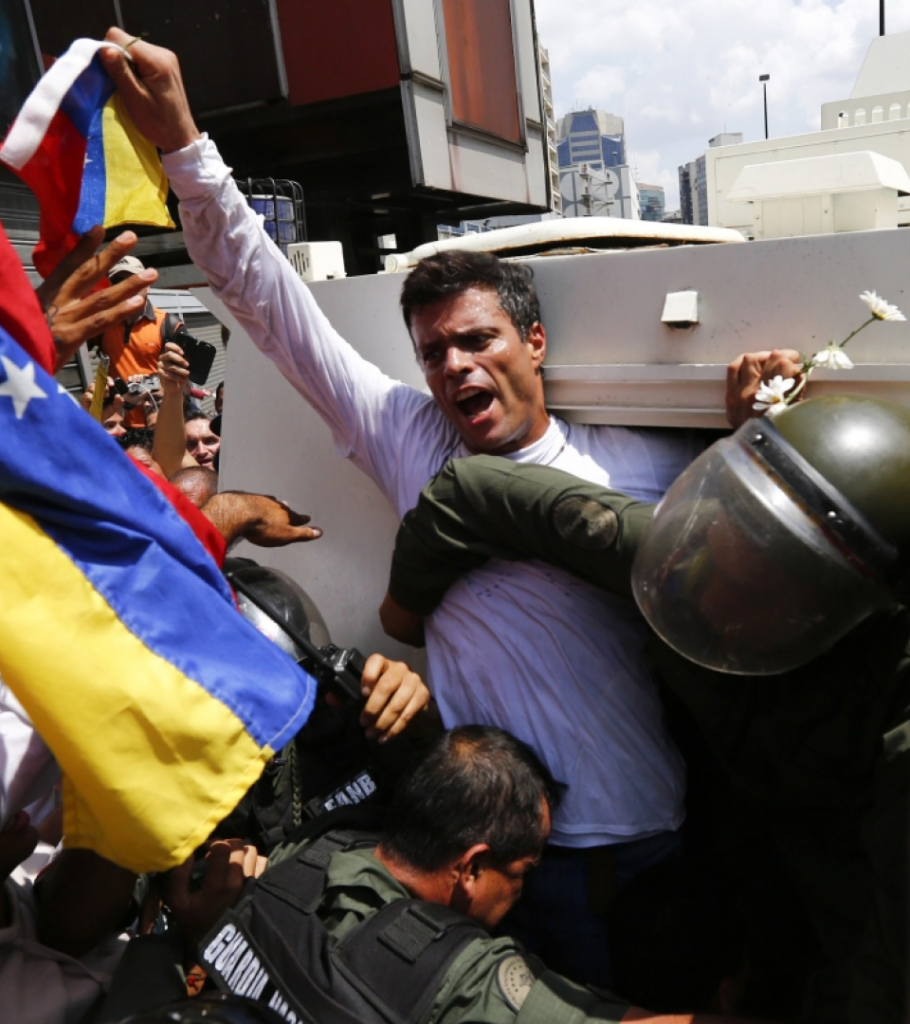
As a former mayor of Caracas and one of the most visible leaders of Venezuela’s democratic opposition, Voluntad Popular founder Leopoldo López witnessed early how the regimes of Hugo Chávez and Nicolás Maduro consolidated power through corruption, brute force, and systematic financial repression.
For challenging that system, López was imprisoned for seven years, including four spent in solitary confinement in the notorious Ramo Verde military prison outside Caracas. But beyond prison walls, the regime built another form of control, which he describes as “financial apartheid.”
Since 2008, opposition leaders and activists have been progressively excluded from Venezuela’s banking system. The regime closed accounts without explanation, blocked transfers, and froze donations. Credit vanished. The message was unmistakable: dissent would not only be criminalized, it would be economically suffocated. An activist who cannot receive money cannot organize. A political party that cannot pay its staff cannot campaign. A movement that cannot fund its operations cannot advocate for change.
When Venezuela’s economy collapsed into hyperinflation from 2016 to 2019, savings evaporated and salaries became worthless within days. Transactions were monitored and bank access disappeared overnight. The bolívar, which had already been a tool of control, became a tool of destruction: by inflating it into worthlessness, the regime impoverished an entire population.
Bitcoin changed that equation.
During the 2024 presidential elections, Bitcoin became operational infrastructure for democracy. It supported volunteers who guarded polling stations, coordinated citizen observers, and secured parallel vote tabulation. In an environment where bank transfers could trigger surveillance or retaliation, Bitcoin allowed civil society and democracy advocates to continue their work without fear of financial shutdown. Although Maduro’s regime fraudulently claimed victory, Bitcoin enabled Venezuela’s democratic opposition to tally the real results and share them with the world.
What began as a survival mechanism in Venezuela has evolved into a global framework. Through the World Liberty Congress and its initiative on Democratic Decentralized Resistance, López and fellow pro-democracy leaders are applying these lessons in countries facing electoral manipulation across Africa, Latin America, and Asia.

Bitcoin is part of the new nonviolent resistance toolkit. It empowers people to reclaim their future — when their own governments would rather see them starve than be free.


Save the Children.
Save the Children: Global
In December 2025, Save the Children launched a dedicated Bitcoin Fund, designed to hold donated bitcoin for up to four years rather than immediately converting it to cash. It is the first fund of its kind at a major international humanitarian NGO.
The fund’s four-year holding period is deliberate. Historically, Bitcoin has never declined in value over any four-year window. Instead of converting bitcoin donations into dollars immediately and losing the potential for it to grow in value, the organization holds the bitcoin and allows it to appreciate before deploying the gains to help more children. Since launching the fund, other charities have reached out to learn how to replicate the model.
Save the Children’s relationship with Bitcoin started more than a decade earlier. In 2013, it became the first major humanitarian NGO to accept bitcoin donations. The decision reflected operational realities: across the more than 100 countries where Save the Children works, many of the families it serves are unbanked or forced to rely on fragile, exclusionary, or authoritarian-controlled financial systems. In conflict zones like Sudan and Yemen, traditional banking infrastructure is often damaged or destroyed, and getting aid to the people who need it requires finding alternative routes that do not depend on shuttered banks.
Over time, the organization expanded beyond accepting bitcoin to explore how the technology could support humanitarian operations directly. It raised millions in bitcoin to assist children affected by crises in Ukraine, Gaza, Sudan, and elsewhere.
Bitcoin fundraising “remains relatively niche,” says Antonia Roupell, Save the Children’s innovation, marketing, and partnerships lead. “But we are looking at how we unlock more of this. Especially with the backdrop that we’re seeing of the aid cuts. This is a time when you can’t turn down any kind of new innovation in fundraising.”
Roupell notes that many Bitcoin donors view their contributions differently from traditional gifts. “People who are Bitcoiners are excited because they say not only are you holding the Bitcoin, which is to them a no-brainer approach, but you’re actually going to utilize the underlying technology.”
For Save the Children, Bitcoin is both a fundraising innovation and operational infrastructure, allowing the organization to preserve value over time, move funds quickly during emergencies, and deliver aid without relying exclusively on fragile or inoperable financial systems.

Save the Children.
Digital Citizen Fund: Afghanistan
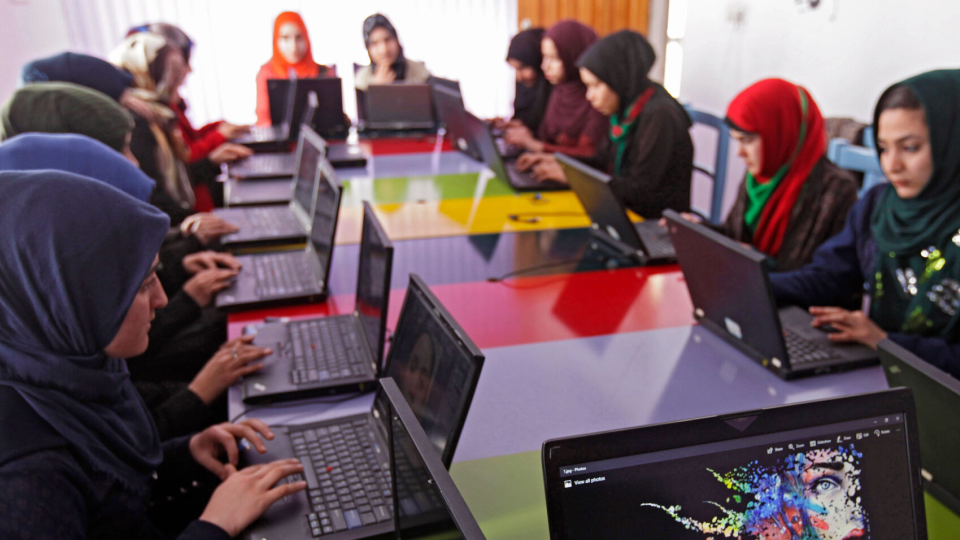
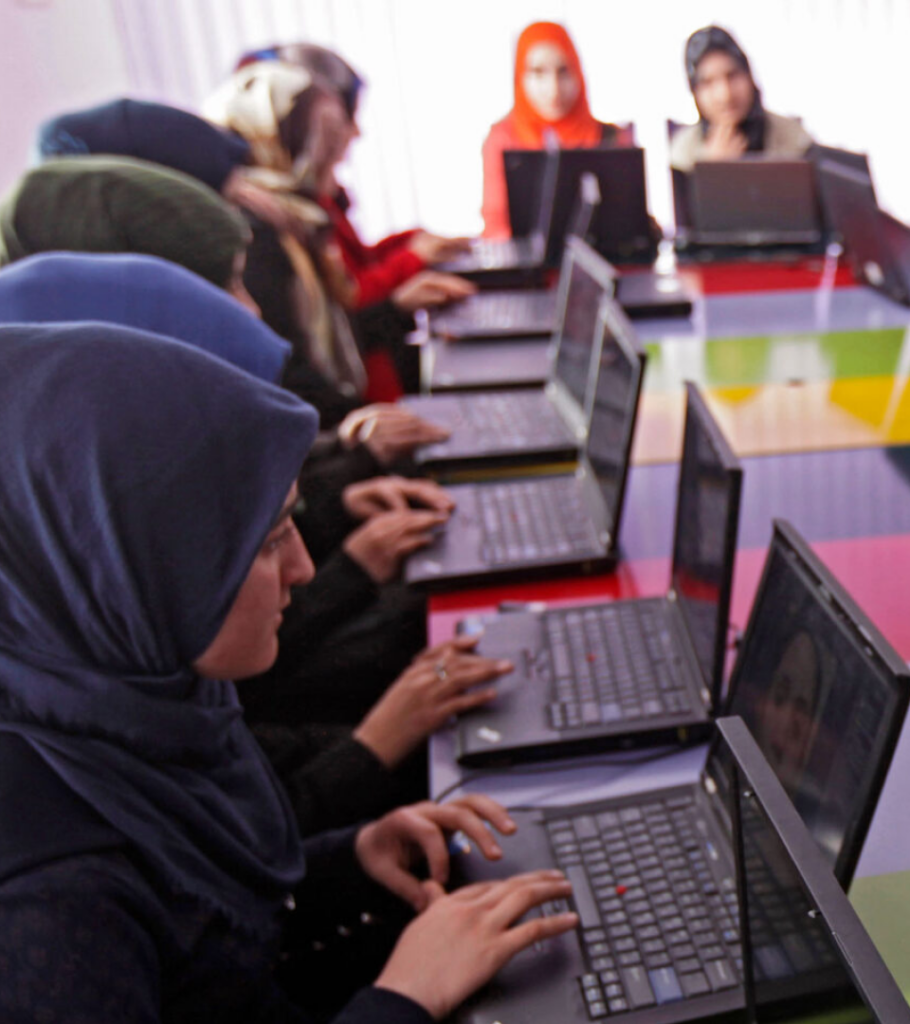
Roya Mahboob is an Afghan technology entrepreneur and human rights advocate. In 2010, she founded Citadel Software in Herat, becoming one of Afghanistan’s first female tech CEOs in a country where most women had never touched a computer. Eventually, she would go on to found the Digital Citizen Fund, leading the way to support women’s education inside the country, teaching girls not just how to use technology, but how to use it to become financially independent.
Her work exposed a deeper structural problem: in many conservative communities across Afghanistan, women were prevented from earning, receiving, or controlling their own income. Many families prevented women from opening their own bank accounts. Women’s wages were frequently intercepted or controlled by male family members, tribal leaders, or banking intermediaries who considered it their prerogative to manage a woman’s money. A woman could earn a salary, but the money would pass through her father’s or husband’s hands before she saw any of it, if she saw any of it at all.
In 2013, Mahboob began paying some of her female employees in Bitcoin. For the first time, they could receive wages directly, without relying on male guardians, local banks, or other intermediaries. She paired their payments with hands-on education about digital wallets, private keys, and personal custody, teaching women to store and use Bitcoin safely. The training sessions were held quietly, away from the scrutiny of families and community leaders who might have objected. For these women, Bitcoin was not a speculative investment. It was the first money they had ever truly owned.
For one employee, Bitcoin became a lifeline when she was later forced to flee Afghanistan for Europe. She lost nearly everything: her home, her community, her documents, and her possessions. But she was able to bring her Bitcoin, secured with a seed phrase, across borders with her, untouched by the chaos she was escaping. Without access to a functioning bank account at home or abroad, those funds helped her begin rebuilding her life in Germany, where she knew no one and had no financial history.
After the Taliban returned to power in 2021, Afghanistan’s banking system faced severe restrictions and liquidity crises. ATMs ran out of cash. Banks limited withdrawals. Access to formal finance became even more limited, especially for women, who were systematically excluded from public life. In that context, digital financial literacy and decentralized tools offered an alternative path to agency. Mahboob has continued advocating for financial inclusion, digital literacy, and technology education for women and girls in Afghanistan and around the world, emphasizing that economic freedom is foundational to human freedom. Today, Bitcoin is how Mahboob and others fund underground schools that educate girls from Herat to Kabul.

Bitcoin represents the first opportunity many Afghan women have ever had to own financial assets independently, not through fathers, brothers, or husbands.
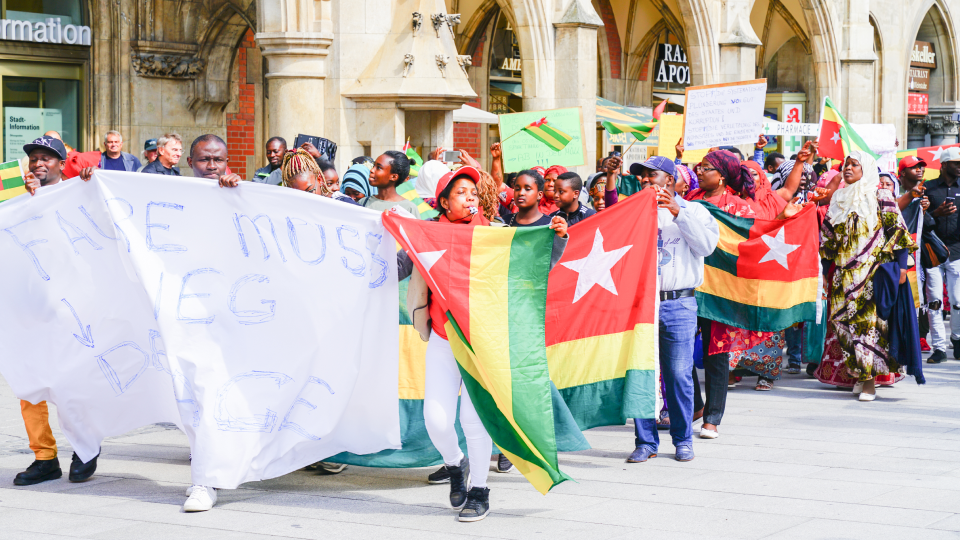
Farida Nabourema: Togo
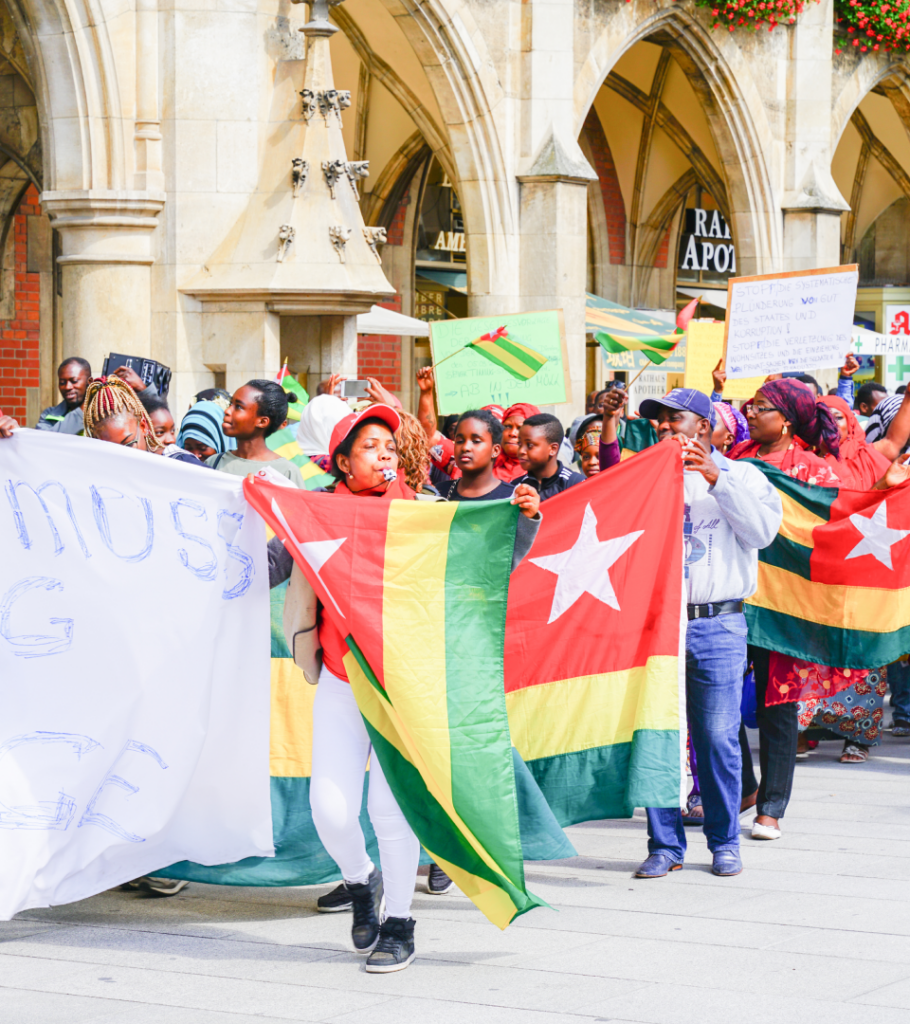
Farida Nabourema is a Togolese human rights and democracy activist and writer. Raised in a family active in Togo’s pro-democracy movement, she grew up watching the regime repeatedly arrest her father, a retired army officer, for speaking out against the Gnassingbé dynasty, which has ruled Togo since 1967, making it one of the longest-running family dictatorships in Africa. She witnessed early how financial systems serve as tools of political and economic control, in Togo and across francophone West Africa. She has long argued that the CFA franc functions as a colonial currency that helps France maintain economic dominance over the country, as 50% of Togo’s foreign reserves are held by the French Treasury in Paris.
As the Gnassingbé regime intensified pressure on dissidents in Togo, harassing and arresting activists for fundraising and financial activity, Nabourema began searching for alternatives to state-controlled banks. Bitcoin was the answer.
Today, Nabourema uses Bitcoin as part of her activism and education work. Through her Bitcoin for Youngsters program in Ghana, she has taught more than 3,000 students about financial independence and self-reliance through Bitcoin. Nabourema also founded the Africa Bitcoin Conference, creating an annual space and community where activists, journalists, and community leaders from across the continent learn how alternative financial tools can reduce dependence on infrastructure vulnerable to authoritarian control.
For Nabourema, Bitcoin represents a future where no dictator or colonial power can quietly control the wealth or freedom of her people. Under her leadership, the currency has become a valuable tool for other Togolese dissidents whose bank accounts have been shuttered.
Sixty percent of Togo’s population are farmers, and nearly all of them are excluded or unable to access the traditional banking system. Through the Kisaw Agricultural Project, a community-based micro-lending program in rural Togo, local farmers leverage Bitcoin-based microloans largely through the Fedi Bitcoin wallet app to access funding for seeds and fertilizer that boost yields. A farmer in the Kara region, hundreds of kilometers from the nearest functioning bank branch, can now receive a micro loan denominated in bitcoin, buy supplies at the local market, and repay the loan after harvest, all through her phone.

Fadi Elsalameen: Palestine
Fadi Elsalameen is a Palestinian advocate widely known for exposing corruption within the Palestinian Authority (PA). His activism has made him a target of intimidation and legal harassment, including a fabricated money-laundering case designed to silence his criticism and discredit him publicly.
Elsalameen’s work unfolds in one of the most fragmented financial environments in the world. Palestinians do not control their own currency. They use the Israeli shekel under monetary rules set by the 1994 Paris Protocol, an interim agreement that remains in effect more than 30 years later. Hamas and the PA impose intense internal restrictions, while Israel controls key banking infrastructure and cross-border transfers. There is no PayPal, no Venmo, and no easy way for Palestinians to receive money from abroad. Accessing funds or receiving remittances is often slow, costly, or impossible: a $500 wire from Europe to Ramallah can cost $30 or $40 in fees, take weeks to arrive, and may be flagged or confiscated along the way. Every day financial life is a constant negotiation with power.
Elsalameen turned to Bitcoin to receive support from abroad without relying on intermediaries that delay, surveil, or block transactions. Throughout the ongoing violence in the West Bank and the war in Gaza, Bitcoin provided access to funds when conventional banking channels were inaccessible. While Israeli banks flagged Palestinian transactions, Western Union offices demanded proof of blood relations to receive payments, and Hamas demanded its pound of flesh, Bitcoin moved freely across borders and checkpoints between sender and receiver.
Today, Elsalameen integrates Bitcoin into his advocacy and education work, teaching students and civil society groups how to use wallets, practice secure self-custody, and move funds independently. His goal is to help Palestinians reduce dependence on fragile systems (especially ones they don’t control) and preserve financial access during political, financial, and humanitarian crises.



Bitcoin’s Risks and Challenges
Bitcoin has become a vital tool for nonprofits around the world, but it is not without risks. The organizations profiled in this guide accept Bitcoin’s risks because they have determined that the alternative, trusting a financial system designed to exclude them, is worse. Understanding the risks of Bitcoin adoption in advance allows nonprofits to make deliberate choices that best suit their risk tolerance and security environment.

Volatility
Bitcoin’s value can change or fluctuate quickly. A donation received today may be worth 15% more next week, or 15% less. In January 2022, bitcoin was trading above $47,000; by November of that year, it had fallen below $16,000. By late 2024, it had surpassed $100,000. This kind of movement is normal for Bitcoin, but it can be jarring for organizations accustomed to the relative stability of dollar-denominated accounts.
Organizations have taken a range of approaches to handle this volatility. Some convert bitcoin to local currency soon after receiving it. Others hold a portion as reserves, accepting short-term volatility in exchange for long-term appreciation. Tools like Aqua enable easy swapping of Bitcoin into stablecoins and are worth exploring for organizations that would prefer dollar stability in the short term.
With self-custody comes responsibility. Lost private keys, compromised recovery phrases, or successful phishing attacks can permanently sever access to funds. If you lose your recovery phrase and your device, there is no customer support line or password reset that can recover your funds. That reality is uncomfortable, and it should be: billions of dollars in bitcoin are estimated to be permanently lost because early users forgot their passwords or threw away hard drives.
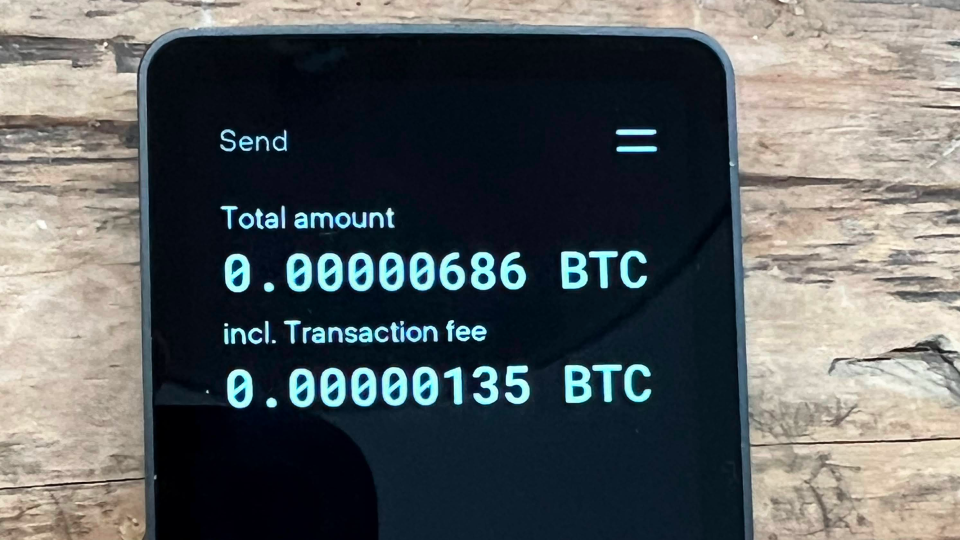
An organization’s internal risks matter too. Staff turnover, weak access controls, or concentrating access in one individual each create vulnerabilities. Clear custody policies, basic training, and shared oversight go a long way. Multisig wallets distribute control so no single person holds full authority. Security requires ongoing discipline. Every new team member is a new variable, and every departure requires updating access controls.

Bitcoin regulation varies across jurisdictions and continues to evolve. Depending on where your nonprofit operates, its use may trigger reporting, registration, or tax obligations. In some countries, holding bitcoin is straightforward; in others, it occupies a legal gray area that demands careful navigation.
Review local laws and consult qualified legal or compliance professionals before adopting Bitcoin. Regulatory environments change, and staying informed is part of responsible operation.

Bitcoin remains misunderstood in many circles. Donors or partners may question why your organization uses it, associating it with speculation or illicit activity.
Clear communication helps. Explain your rationale and custody safeguards. Publish a brief statement on your website about why and how you use Bitcoin. Transparency turns skepticism into understanding, and often into support. Several organizations profiled in this guide have found that being open about their Bitcoin use actually attracted new donors from the Bitcoin community who were looking for causes to support.

Adopting Bitcoin changes internal workflows. Organizations must assign responsibilities, document procedures, and define access controls. Staff training and contingency planning are essential. Someone needs to own the recovery phrase backup process. Someone needs to monitor the wallet. Someone needs to know what to do if a device is lost or compromised.
With preparation and clear processes, Bitcoin becomes another operational tool, no more complex than the financial systems your organization already navigates. Nonprofits that succeed with Bitcoin treat it as infrastructure, governed by policy, oversight, and training, just like everything else.


The Road Ahead
Every year, more authoritarian regimes attempt to silence dissent by cutting access to money for those who speak up. Now, a growing number of nonprofits and activists are discovering the tools to resist financial repression.
Across the world, dictators freeze bank accounts and block donations until work stalls. An organization that was investigating corruption last week is instead forced to scramble to make payroll. Lifesaving evacuations are paused because a wire transfer is stuck in compliance limbo.
But as this guide has shown, organizations facing that pressure are already using Bitcoin in practical ways to protect their missions and to continue serving their communities. In Moscow, Caracas, Kabul, and Lomé, people are building financial infrastructure that no dictator controls.
Bitcoin offers civil society under tyrannical pressure something simple but powerful: choice. Choice in how money is held, in how it moves, and in how organizations defend their ability to function. For the first time, financial access does not have to depend on permission, and that changes everything for nonprofits laboring under dictatorships.
Bitcoin is not a solution to every problem, but it creates room to breathe and gives organizations time, stability, and the ability to keep working when every other system is designed to wear them down.
In Lagos, Ramallah, Minsk, and beyond, activists and nonprofits are quietly building financial resilience. The tools are here. The knowledge is spreading. The choice is becoming real.
The next step is yours.
Become unstoppable.


Tips and Best Practices
Bitcoin Best Practices 101
- Test and start small: Set up a wallet and receive a small test amount. Practice sending funds and restoring access before handling meaningful balances. Make mistakes with money you can afford to lose.
- Choose a wallet: Understand the differences between self-custody and custodial solutions. Select a wallet that matches your technical capacity and operational needs.
- Train staff: Assign custody to a trusted group. Teach them the Bitcoin basics: wallets, recovery phrases, privacy practices. Consider designating at least two people who understand the full custody setup.
- Build internal structure: Decide when funds are held or converted. Document who approves transactions and how custody is shared. Review these structures quarterly.
- Separate responsibilities: Never concentrate full custody with a single person. Use multisig to distribute trust and counterparty risk. If only one person holds the keys and that person is arrested, your funds will be just as inaccessible as if a bank froze them.
- Test exchanges: Practice buying or selling small amounts. Understand timing, fees, and friction before relying on any platform.
- Plan for emergencies: Create recovery procedures for lost devices, staff turnover, or compromised access. Run through the recovery process at least once before you need to use it.
- Scale gradually: Expand Bitcoin use only after training, policies, and safeguards have been set in place.
- Vet partners carefully: Don’t assume platforms are interchangeable. Evaluate exchanges, donation processors, and service providers individually.
Privacy and Operational Security
In sensitive environments, operational security matters as much as financial privacy. The goal is not perfect anonymity, which is difficult to achieve, but reducing the amount of sensitive information that flows into databases controlled by hostile actors.
- Minimize identifying information: Avoid recording unnecessary personal data alongside transactions.
- Avoid address reuse: Use a new receiving address for each payment. Most wallets do this automatically but it’s worth verifying. If a nonprofit uses one static address for all donations, the entire world can see its total balance and every transaction they make.
- Keep recovery phrases offline: Do not store backups in cloud services, email drafts, or note-taking apps. Use offline, encrypted backups on secure devices or hardware wallets. A piece of paper in a fireproof safe or a steel recovery phrase backup is more secure than an encrypted file on Google Drive, because physical items cannot be hacked remotely.
- Limit access: Share private keys and sensitive records strictly on a need-to-know basis.
- Plan for compromise: Assume that a device or account could fail. Structure custody so that one incident does not expose funds or supporters.
With these precautions in place, your organization can mitigate Bitcoin’s risks. Even in worst-case scenarios, thoughtful setup and basic discipline protect your team, your supporters, and your organization’s ability to operate.
Recommended Tools
Hot Wallets

A mobile Bitcoin wallet focused on ease of use, built in Buenos Aires, where currency controls and inflation are a way of life. The team designed it for people who know how it feels to have savings devalued overnight. Available in English and Spanish, Muun is well-suited for nonprofits that need fast, low-cost payments while maintaining self-custody. Available in English and Spanish.
Note: Instead of providing a traditional 12–24 word recovery phrase, Muun gives you a short Recovery Code (a string of letters and numbers) and a downloadable “Emergency Kit” PDF. The Recovery Code unlocks the encrypted information inside the PDF. Together, they allow you to independently recover your wallet and funds if you ever lose access to the app.

BlueWallet
A Bitcoin and Lightning wallet for mobile and desktop with privacy features and multisig support. BlueWallet is one of the most established open-source wallets in the ecosystem, trusted by developers and activists alike and available in more than 30 languages, including Arabic, Farsi, and Ukrainian. Blue Wallet is well-suited for organizations needing shared custody or structured security.

AQUA
A mobile wallet that supports Bitcoin and Lightning with built-in support for swapping between bitcoin and stablecoins. Originally designed for Latin American activists navigating currency controls and hyperinflation, AQUA is now embraced worldwide. Its ability to seamlessly move between bitcoin, the Liquid sidechain, and stablecoins makes it uniquely useful for organizations that need dollar stability alongside Bitcoin’s independence.

BULL Wallet
Cold Wallets


Peer-to-Peer (P2P) Exchanges



RoboSats


Vexl
Recommended Resources
Hands-on Tutorials
Structured Training
HRF hosts quarterly live training sessions through its Become Unstoppable online webinar series, which feature Ben Perrin and Anna Chekhovich. The series is designed specifically for nonprofits and human rights defenders. Over three days, participants learn how to receive, store, and manage bitcoin securely, and how to integrate it into their fundraising and day-to-day operations. These interactive sessions are grounded in real-world use cases, with participants from dozens of countries sharing their own experiences and challenges. Sign up for the next Become Unstoppable webinar here.
Ongoing Awareness
HRF’s Financial Freedom Report is a weekly newsletter documenting financial repression worldwide and sharing stories of peaceful resistance through Bitcoin. It features updates on freedom technologies and operational risks relevant to global civil society. For organizations in unstable environments, it works as both an early warning system and a learning channel: each issue covers developments that could affect how nonprofits use Bitcoin. To sign up and have the newsletter hit your inbox every Thursday, click here.
Funding Freedom Tech
Diving Deeper
For those looking to dive deeper into the history of financial repression, the global adoption of Bitcoin, and similar topics, consider reading Lyn Alden’s Broken Money or Alex Gladstein’s Check Your Financial Privilege. Alex Gladstein’s essay in the October 2025 issue of the Journal of Democracy, “Why Bitcoin is Freedom Money,” is a good starting point for individuals and organizations in the human rights or humanitarian fields interested in why Bitcoin might be a good option for them.
About the Human Rights Foundation
The Human Rights Foundation (HRF) is a nonprofit that promotes and protects human rights globally, with a focus on people living under authoritarian regimes. Many of the financial restrictions described in this guide are conditions human rights defenders face every day: frozen accounts, blocked donations, criminalized fundraising, and economic suffocation.
Since 2020, HRF has supported the development and education of Bitcoin and other open-source tools that help civil society operate independently. Through its Financial Freedom program and Bitcoin Development Fund, HRF funds developers, educators, and nonprofits working to make Bitcoin more private, secure, and usable for activists operating in high-risk environments.
HRF is also focused on helping make AI a better tool for freedom, and Bitcoin will be an essential part of a future internet economy where people, not authoritarian regimes, have control.
This guide exists because financial access is a human rights issue. HRF’s work ensures that global advocates for freedom can operate, organize, and survive. HRF is also a founding member of the Bitcoin Humanitarian Alliance, a network of nonprofits using bitcoin for donations, payroll, and operations under the pressure of authoritarian regimes.