Welcome to this week’s Financial Freedom Report.
In Burma, the military junta proposed a new law that would allow officials to monitor financial activity, freeze accounts, and target alternative payment networks used by dissidents and civil society. It’s just the latest step out of countless such steps that dictators around the world are taking to abuse the monetary system to stop their opponents.
In freedom tech news, Second, a company building payment tools on Bitcoin, launched Bark, a new implementation of the Ark protocol. Bark lets users make bitcoin payments without managing payment channels or liquidity. It aims to make bitcoin payments easier for end users, like dissidents and nonprofits, while preserving a unilateral exit option so users can retain ultimate control over their funds if an Ark operator goes offline or acts maliciously.
We include El Faro’s report on the Bukele government freezing bank accounts and property belonging to two shareholders of the outlet, extending a years-long campaign against the independent Salvadoran newspaper.
Global News
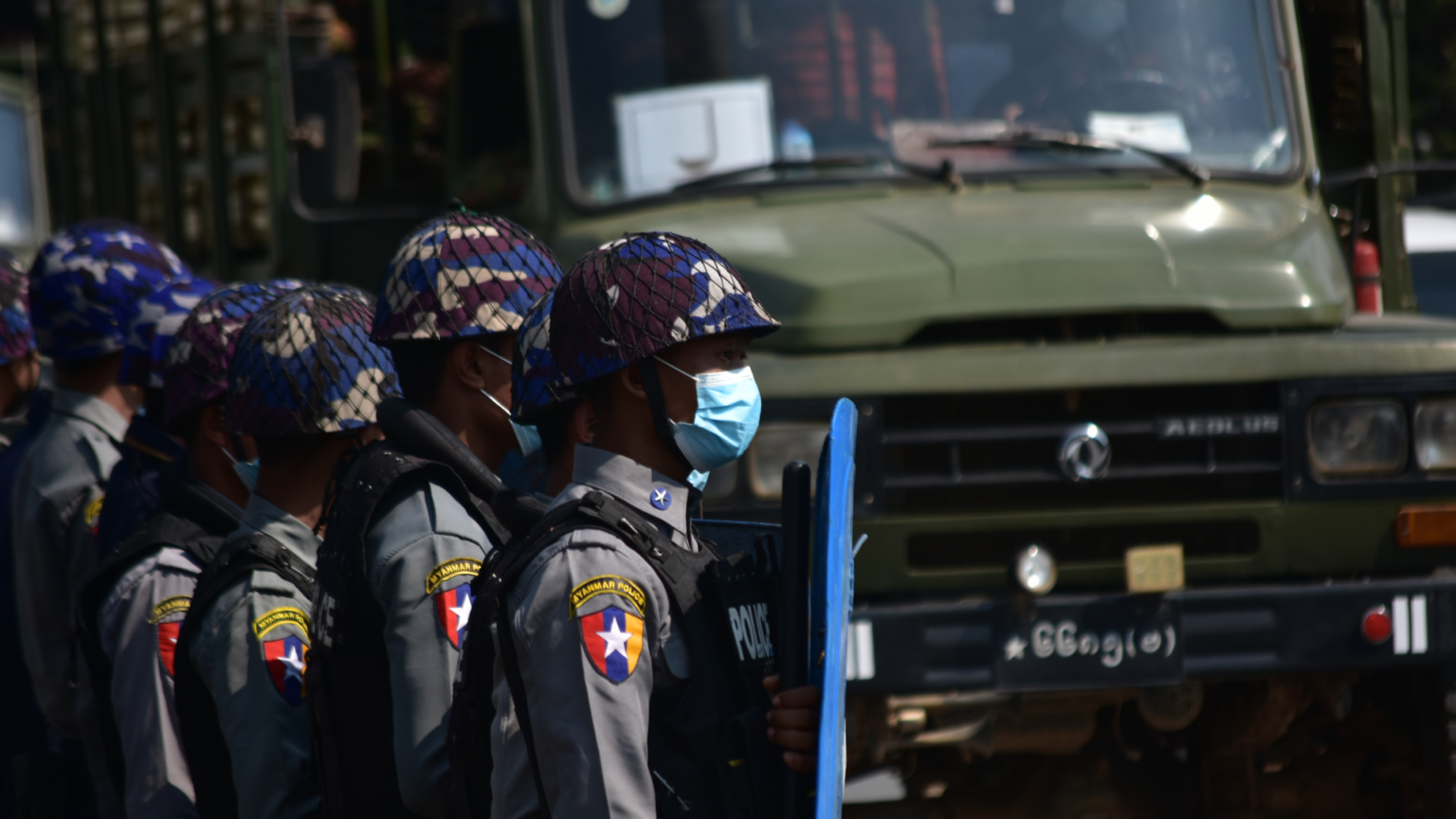
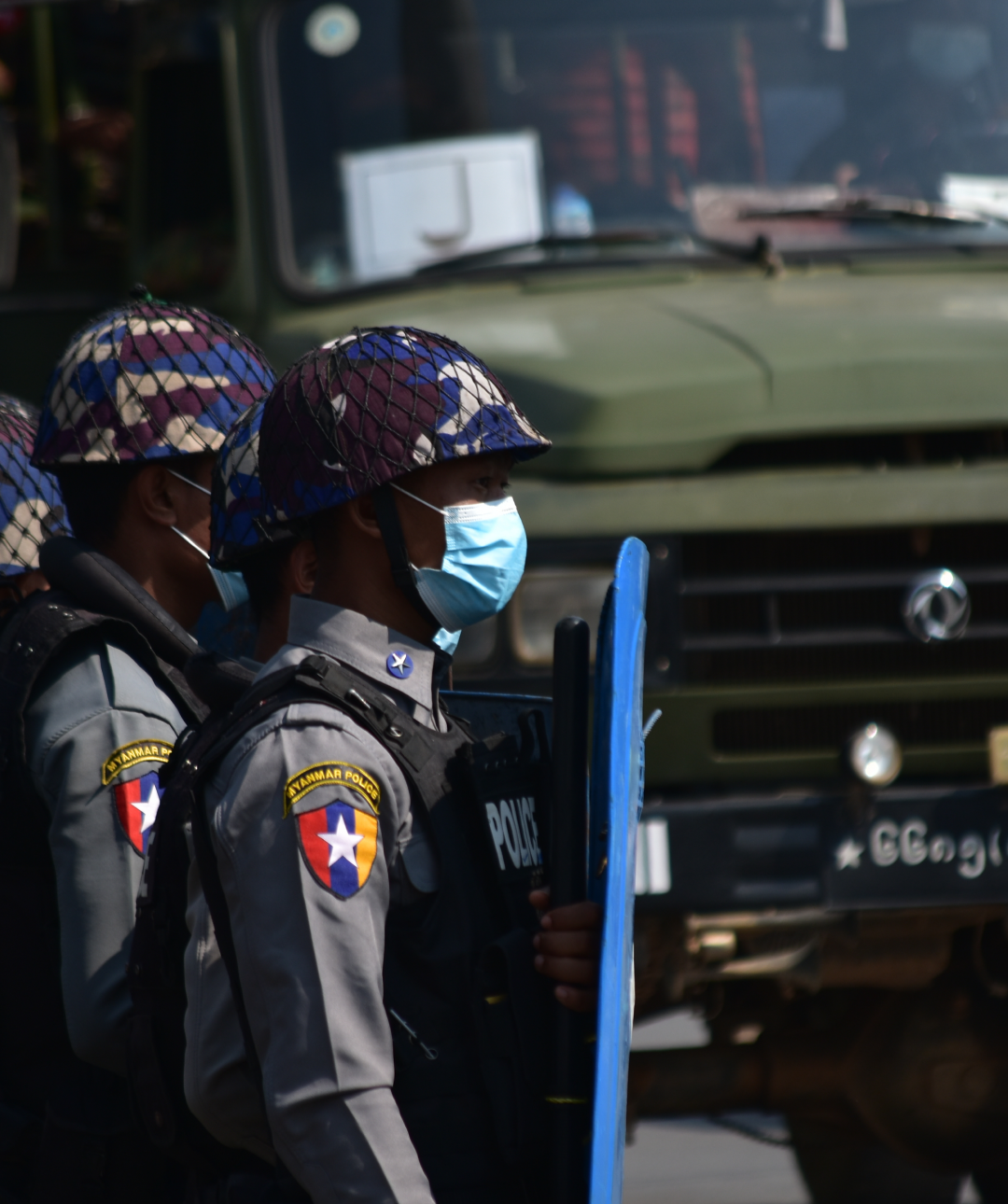
Burma | Proposed Anti-Fraud Law Expands Financial Surveillance
Burma’s ruling military junta has proposed a new “Anti-Online Fraud” law. On paper, it is presented as a response to cybercrime and online scams. In practice, rights groups argue it would dramatically expand the regime’s ability to monitor communications, freeze assets, censor speech, and punish dissent. The bill would require banks, telecommunications firms, and internet providers to connect directly to state-run monitoring systems, giving officials real-time access to Burmese financial and communications data. It would also allow banks to freeze accounts and transactions based on loosely defined criteria and require financial institutions to report any suspicious activity.
Why this matters: Already, the military junta censors, harasses, and financially excludes journalists, opposition, and civil society more broadly. Increasingly, dissent relies on informal systems and Bitcoin to operate. Critics argue this bill is designed to bring those alternative financial channels back under state control.
Philippines | Digital Payments Without a CBDC
The Philippines has witnessed remarkable growth in digital payments without issuing a central bank digital currency. Rather than issue a digital peso, the central bank built interoperable payment clearing rails, InstaPay and PESONet, that allow banks and payment providers to move money between one another. Private companies such as GCash and Maya now compete for users on top of this shared infrastructure. The result is that digital payments now account for the majority of retail transactions in the country, rising from 42.1% of transaction volume in 2022 to 57.4% in 2024.
In context: The model is similar to what Bitcoin offers: an open payment network where different wallets, applications, and services compete on top of a shared settlement layer. The difference is that Bitcoin is not dependent on a central bank or government-run infrastructure. By extension, it is not subject to the same level of censorship, surveillance, or control, especially under a hybrid-authoritarian regime. The question becomes: can someone plug Bitcoin into these rapidly growing payment rails? Well, this week, the Bitcoin Historian reported that GCash is now supporting Bitcoin payments via the Lightning Network for over 94 million Philippine users.
China | Project mBridge Preparing for Commercialization
A Chinese-led central bank digital currency platform called mBridge is reportedly preparing for commercialization after processing more than $55.5 billion in transaction volume. It connects the central banks of authoritarian regimes across China, Hong Kong, Thailand, the UAE, and Saudi Arabia, allowing them to settle cross-border payments directly using CBDCs rather than incumbent banking networks. Importantly, mBridge is not open or permissionless. It is a state-controlled network where access depends on central banks and approved financial institutions, sold as systems for greater efficiency and inclusion.
Why this matters: For dissidents and human rights defenders, payment infrastructure is rarely neutral. A faster state-controlled system is almost always a more surveillable and censorable one. As China helps build new global CBDC rails, authoritarian and hybrid-authoritarian regimes gain better ways to move money while also reducing the financial freedom of other users.
India | Frozen Account Leaves Savings Out of Reach
In India, a man named Shiva spent years building a savings fund for his son’s wedding. The money came from small jobs and side work, carefully set aside in a separate bank account opened specifically for that purpose. But when the balance exceeded a certain threshold, the financial system automatically froze the account. Overnight, Shiva had been cut off from his own money. When the issue was escalated to the branch manager of his bank, they explained that the freeze was automatically imposed from the central bank’s IT system, and there was nothing they could do. To recover access, he was prompted to complete forms written in English, a language he could not easily navigate. Ultimately, the account was restored only after outside intervention from a friend who helped push the case through a process Shiva could not resolve on his own.
In context: India’s government likes to celebrate its digital financial progress, promoting its digital rupee CBDC and other state-backed payment systems like UPI under the banner of financial inclusion. But what’s quietly happening is this banking infrastructure is also becoming easier for the state to monitor, politicize, and commandeer, at the expense of civil society, political opposition, and everyday people.
Côte d’Ivoire | Financial Repression of Journalists
Journalists in Côte d’Ivoire are warning that political pressure is being reinforced by financial insecurity. Opposition newspaper La Voie Originale says it has faced more than 50 sanctions, including warnings, fines, and publication suspensions. Reporters also describe hours-long questioning after critical articles, threats to expose personal data, and growing self-censorship. The financial pressure is just as corrosive. Some journalists say they do not receive salaries at the end of the month or are paid irregularly. Others earn below the profession’s collective agreement, which sets monthly wages at roughly $480 for editors and $1,000 for editors-in-chief. To make up the gap, many accept per diems from event organizers, creating pressure to cover those events favorably.
Why this matters: Financial dependence weakens editorial independence. When reporters cannot count on wages, they become easier to influence or intimidate. Financial repression becomes another way to weaken independent media without a formal ban.
Recommended Content
Bukele Freezes Personal Assets of El Faro Shareholders
In this opinion piece, the independent news outlet El Faro denounces the Salvadoran government’s decision to freeze the bank accounts and property of two of its shareholders. It marks the latest escalation in a years-long campaign of audits, investigations, and financial pressure against the publication. It is also a textbook tactic of financial repression to silence independent media — similar to when Hong Kong officials froze the bank accounts of pro-democracy newspaper Apple Daily.

Become Unstoppable: Financial Freedom Webinar
HRF will host a free, three-day webinar on June 22–24 from 10:30 a.m.–12:00 p.m. ET, guiding human rights defenders and nonprofits on how to use Bitcoin to resist financial censorship and repression. Sessions are designed for all experience levels and will be co-led by Bitcoin educator BTC Sessions, HRF’s Freedom Tech Education Lead Anna Chekhovich, and Head of Global Bitcoin Adoption Win Ko Ko Aung. Participants will learn practical tools for using Bitcoin to receive donations, make payments, and stay operational when bank accounts are frozen, surveilled, or blocked by dictators.
Bitcoin and Freedom Tech News
Second | Bark Launches on Bitcoin Mainnet
Second, a company building payment tools on Bitcoin, launched Bark on the Bitcoin mainnet. Bark is built on Ark, a new Bitcoin payment system that aims to make self-custodial payments easier to use. Traditionally, using Bitcoin without trusting a third party often requires managing Lightning channels, liquidity, and other technical complexity. Ark lets a server handle much of that complexity while giving users a way to recover their funds if the server fails or acts dishonestly. Second also released developer tools that allow builders to add Bark payments to their applications. Wallets and tools, including Noah, Arké, Satsigner, Umbrel, and BTCPay Server, have already announced integrations.
Why this matters: Bark is trying to close the gap in Bitcoin’s self-custody user experience. Users should not have to choose between full control of their money and payments that actually feel easy. For activists, nonprofits, and people under financial repression, tools like Bark could make self-custodial bitcoin payments more practical and possible for everyday use.
Agora | Unstoppable Bitcoin Fundraising Platform Launches
Agora, a new Nostr-based social fundraising platform built by developers working with the World Liberty Congress and Soapbox, launched a new version during the 2026 Oslo Freedom Forum. Users can sign in with Nostr (a decentralized social network), create a campaign without needing permission, and receive bitcoin directly to wallets they control. Agora does not hold user funds, process payments, or rely on a central company that can freeze campaigns. Instead, it uses Nostr for permissionless accounts and campaign publishing, while Bitcoin handles payments. Agora also integrates Silent Payments, a Bitcoin privacy tool that helps keep donation networks private from dictators. Within days of launch, more than 60 campaigns had been created, and over $5,000 in bitcoin had already been distributed.
Why this matters: Raising money is often one of the first things authoritarian regimes try to stop. Agora is an attempt to build a fundraising platform that cannot easily be censored, deplatformed, or shut down. For activists and civil society groups operating under financial repression, that could make Bitcoin increasingly a way to receive funds when other channels fail.
Zappi | New Ecash Wallet
Zappi is a new Cashu ecash wallet built by Korean developers with a strong focus on simplicity and user experience. Cashu enables fast, low-friction bitcoin payments with strong privacy properties, but users must trust the mints (custodians of ecash) to custody their funds. Zappi functions as a Progressive Web App (PWA), meaning it runs through a web browser. This allows users to access the wallet without downloading it through Apple or Google app stores, reducing dependence on centralized distribution channels that can restrict or remove applications. While still in beta, wallets like Zappi are helping make ecash more accessible, pushing private digital cash closer to everyday use for activists.
Alby | Bark Integrated into Alby Hub
Alby, a self-custodial Lightning wallet, added Bark as a new Lightning backend. Alby already supported the Lightning Network, but Bark changes how users access it. Instead of opening payment channels or managing liquidity, users can use Bark to simply make payments, while the rest is handled on the backend. Users keep control of their bitcoin and can exit on-chain if needed, but the model does introduce a new tradeoff: users rely on an operator to facilitate payments.
Why this matters: Alby Hub connects to popular Lightning wallets and tools like Alby Go, Zeus, Damus, and BTCPay Server. Adding Bark gives those apps another route for bitcoin payments.
Cashu | Bitchat Support Added Through Nutdrop
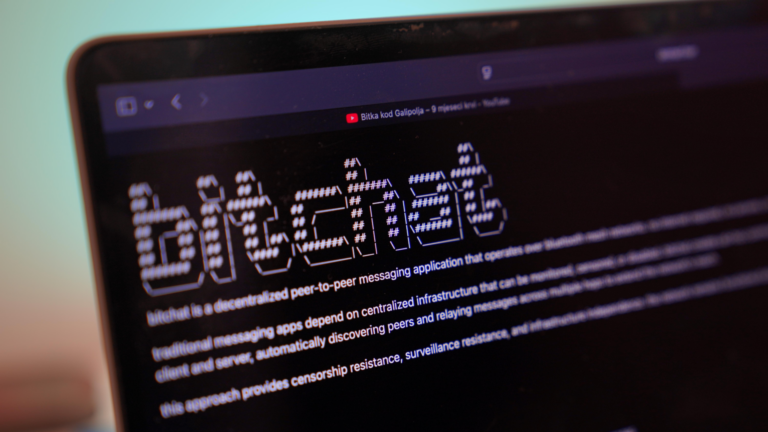
Cashu creator Calle announced that Bitchat support is coming to the ecash protocol Cashu through a tool called Nutdrop. The integration, using wallets like Sovran, would allow users to send and receive Cashu ecash (digital tokens backed by bitcoin) over Bitchat’s Bluetooth mesh network, enabling payments and messages to move between nearby devices without relying on the internet. In scenarios like Internet blackouts or authoritarian repression, tools like this can equip activists with unstoppable peer-to-peer payments and messages.
Open Bitcoin Africa | New Online Forum
Open Bitcoin Africa is a new online forum for people building on Bitcoin in Africa. The platform aims to turn conversations into ongoing collaboration around payments, financial access, and grassroots education. On a continent where many people live under authoritarian regimes, spaces like this matter: they help developers and dissidents share tools and knowledge that can keep people connected, funded, and financially independent.
Bitcoin Recommended Content
Spend Bitcoin Anywhere in Kenya with Jason from Tando
On Citadel Dispatch, co-founder of Tando, Jason, discusses the creation of Kenya’s leading Bitcoin payments app. Tando connects Bitcoin’s Lightning Network to M-PESA, Kenya’s dominant mobile money network. It lets users spend bitcoin anywhere M-PESA is accepted using their mobile phone and their own Lightning wallet. Meanwhile, merchants receive Kenyan shillings through the payment system they already use. This is a unique view from the founder of a project shaping the global Bitcoin landscape and its use as everyday money.