Newsletter Nov 5, 2026 HRF’s Weekly Financial Freedom Report #145 This week, two stories involving the centralized cryptocurrency exchange Binance reveal how financial intermediaries can compromise both user funds and privacy.
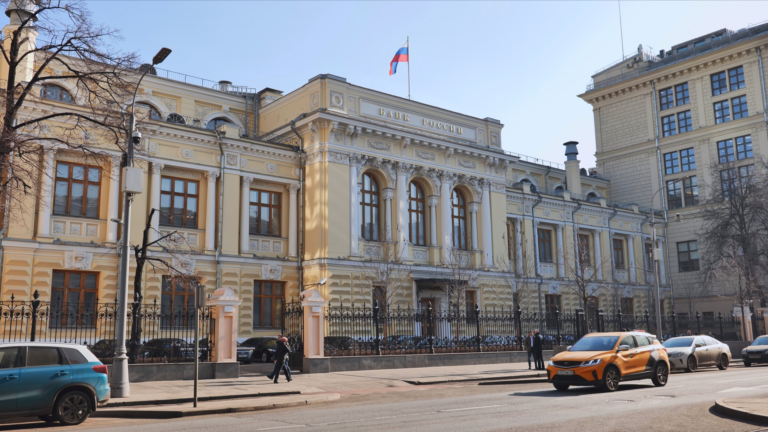
Newsletter Oct 29, 2026 HRF’s Weekly Financial Freedom Report #144 In Russia, we examine the first two months of the nationwide digital ruble rollout and the state’s efforts to restrict alternatives.
Newsletter Oct 22, 2026 HRF’s Weekly Financial Freedom Report #143 In Russia, the regime will ban peer-to-peer (P2P) digital asset trading between individuals starting July 1, 2027. After that date, Russians will still be “legally” allowed to buy and sell digital assets, including bitcoin, but only through state-regulated intermediaries.
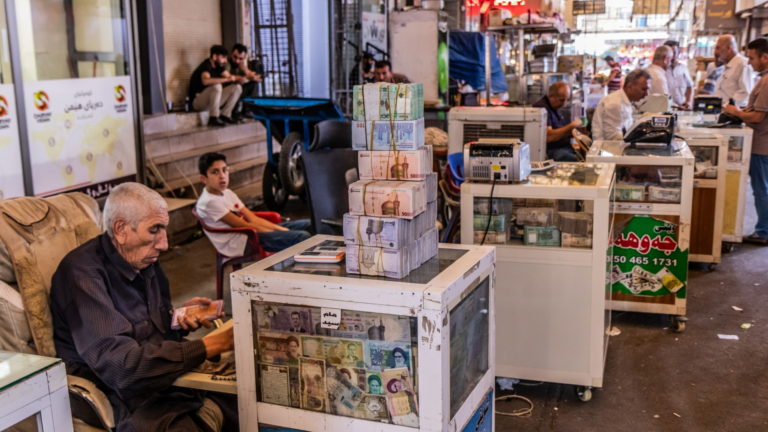
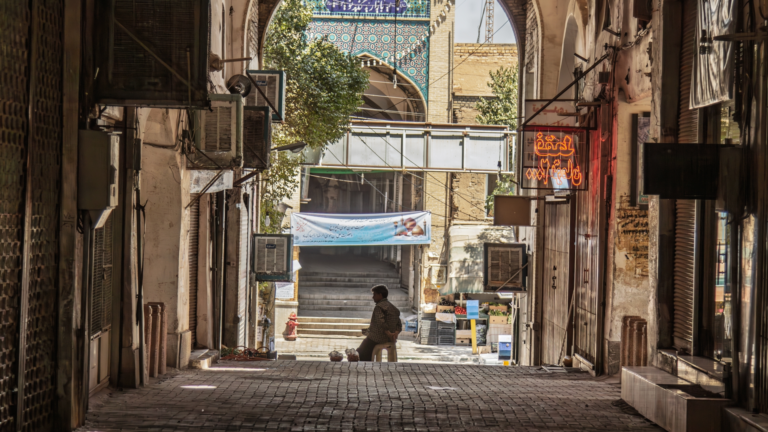
Newsletter Oct 15, 2026 HRF’s Weekly Financial Freedom Report #142 In Iraq, the regime devalued the dinar by about 14.5% overnight, pushing up the cost of imported food, medicine, and fuel while eroding the value of salaries and savings.
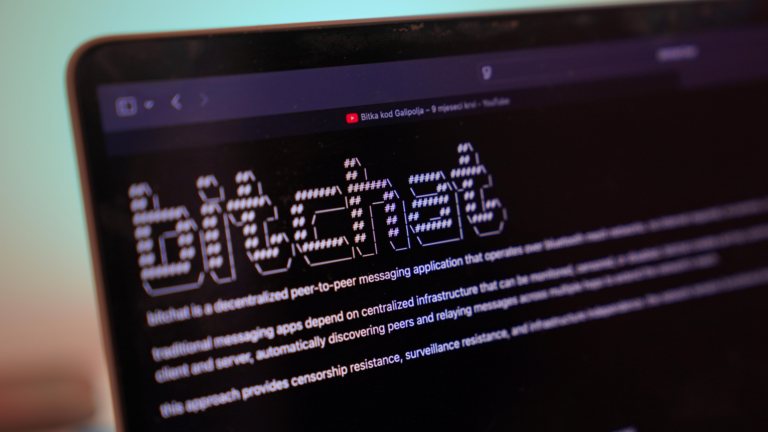
Newsletter Oct 8, 2026 HRF’s Weekly Financial Freedom Report #141 In India, Apple removed Bitchat from the country’s App Store after the government ordered the company to block the offline messaging app.
Newsletter Oct 1, 2026 HRF’s Weekly Financial Freedom Report #140 This week reminds us how fragile financial access can be in difficult political environments. In Iran, Tehran prosecutor Ali Salehi announced that the regime had identified and frozen 2,191 bank accounts belonging to 394 people accused of collaborating with a “hostile enemy.”
Newsletter Sep 24, 2026 HRF’s Weekly Financial Freedom Report #139 In Russia, organizers of an international youth festival reportedly created multiple versions of the internet, including an unrestricted network for foreign visitors and a censored one for Russian citizens.
Newsletter Sep 17, 2026 HRF’s Weekly Financial Freedom Report #138 In Iran, the clerical dictatorship doubled the price of gasoline beyond subsidized quotas from 5,000 to 10,000 tomans per liter. With inflation above 87% and food prices also doubled, security forces are now deployed around fuel stations in at least 11 cities.
Newsletter Sep 10, 2026 HRF’s Weekly Financial Freedom Report #137 El Salvador’s $1.4 billion International Monetary Fund (IMF) loan is moving forward after officials reduced the government’s role in Bitcoin infrastructure. Majority ownership and control of the state-backed Chivo wallet have shifted to a private operator, while the IMF says recent additions to the country’s Bitcoin holdings came from private donations rather than public funds.
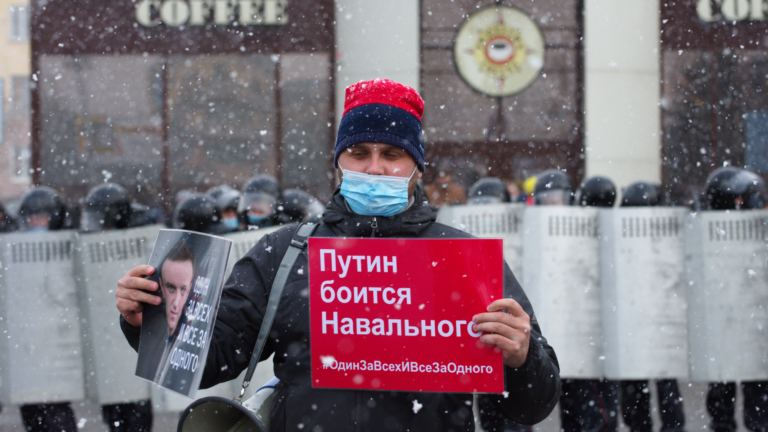
Newsletter Sep 3, 2026 HRF’s Weekly Financial Freedom Report #136 In Russia, officials sentenced a senior programmer to a four-year suspended sentence for donating $21 to the Anti-Corruption Foundation (ACF). Leonid Stepanov was convicted using his own bank statements, showing how the Kremlin weaponizes financial surveillance and demonstrating precisely why alternative payment rails like Bitcoin matter in the struggle for democracy.
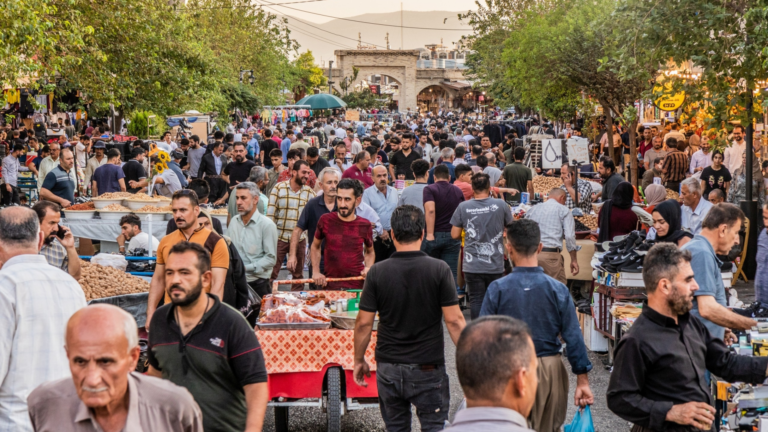
Newsletter Aug 13, 2026 HRF’s Weekly Financial Freedom Report #135 In Iraq, the hybrid authoritarian regime has decided to remove three zeros from the dinar and issue new banknotes, a move officials argue would force hoarded cash back into banks.
Newsletter Aug 20, 2026 HRF’s Weekly Financial Freedom Report #134 In Russia, Binance gave officials the identity and transaction history of a user who donated more than $700 in cryptocurrency to Ukrainian causes. The Kremlin later used this information to charge him with financing terrorism.
Newsletter Aug 13, 2026 HRF’s Weekly Financial Freedom Report #133 In Russia, Putin’s dictatorship officially designated the Human Rights Foundation (HRF) as an “undesirable” organization.
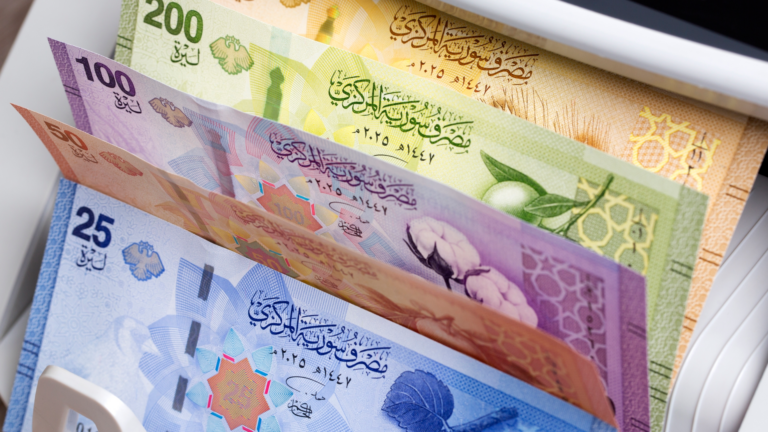
Newsletter Aug 6, 2026 HRF’s Weekly Financial Freedom Report #132 In Syria, the transitional government replaced the Assad-era pound, which lost more than 99% of its value since 2011. The new pound removes two zeros from the old currency, but the process has created new barriers for Syrians holding old banknotes outside the formal economy, especially those who are unbanked, far from Damascus, or reliant on cash.
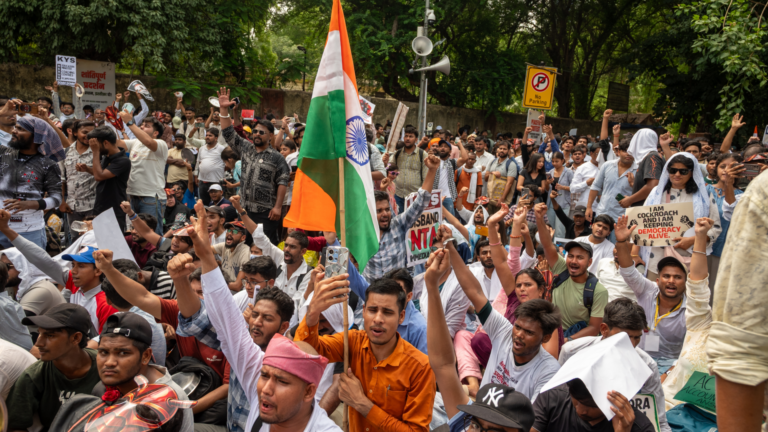
Newsletter Jul 30, 2026 HRF’s Weekly Financial Freedom Report #131 In India, Narendra Modi’s hybrid authoritarian regime attempted to restrict access to code for Bitchat, an open-source app that allows users to send messages over Bluetooth without an internet connection, after suspending internet access during student protests in Delhi.
Newsletter Jul 23, 2026 HRF’s Weekly Financial Freedom Report #130 In Russia, lawmakers approved new amendments expanding financial surveillance under the country’s “foreign agents” law.
Newsletter Jul 16, 2026 HRF’s Weekly Financial Freedom Report #129 In Burma, officials froze the bank accounts of more than 100 companies, including firms involved in car imports, fuel, agriculture, gemstones, and import-export businesses.
Newsletter Jul 9, 2026 HRF’s Weekly Financial Freedom Report #128 Last week, Kenyan police detained hundreds as families of those killed in the 2024 Finance Bill protests marched to Parliament.
Newsletter Jul 2, 2026 HRF’s Weekly Financial Freedom Report #127 In Gaza, Palestinians report that they are unable to access their own money after the Bank of Palestine froze accounts without warning.
Newsletter Jun 25, 2026 HRF’s Weekly Financial Freedom Report #126 Cuba’s communist regime approved more than 175 economic reforms touting liberalization, but real financial freedom remains out of reach for everyday people.