
Welcome back to the Financial Freedom Report.
In Lebanon, banks are offering some depositors a way to recover portions of their savings that have been frozen since 2019. But the offers come at a steep cost, forcing people to accept significant losses to regain access to money they entrusted to the banking system seven years ago.
In Bitcoin news, the Liquid Network has restored its full bitcoin reserves following a $320 million exploit in September. This means every unit of bitcoin circulating on Liquid is once again backed by an equivalent amount of bitcoin held in reserve, although restrictions on some withdrawals remain in place.
We feature a new tutorial from Bitcoin educator Ben Perrin (BTC Sessions) on Bitchat, an offline messaging app that uses Bluetooth to communicate without an internet connection. With the app pulled from app stores in countries such as China and India, it’s a piece of freedom tech worth getting acquainted with.
Let’s get into the details.
Global News
Lebanon
Banks Offer Depositors Fraction of Frozen Savings
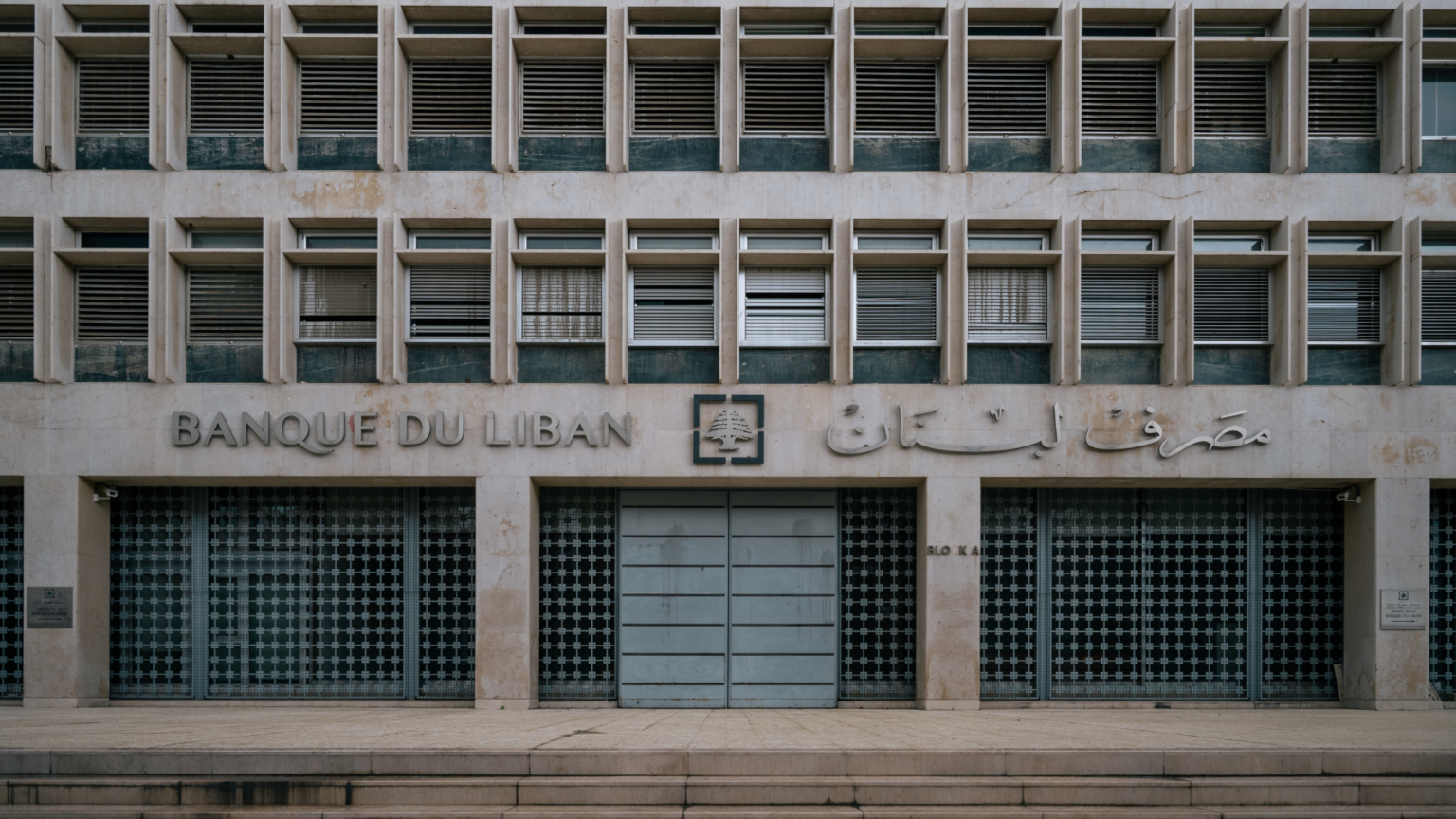
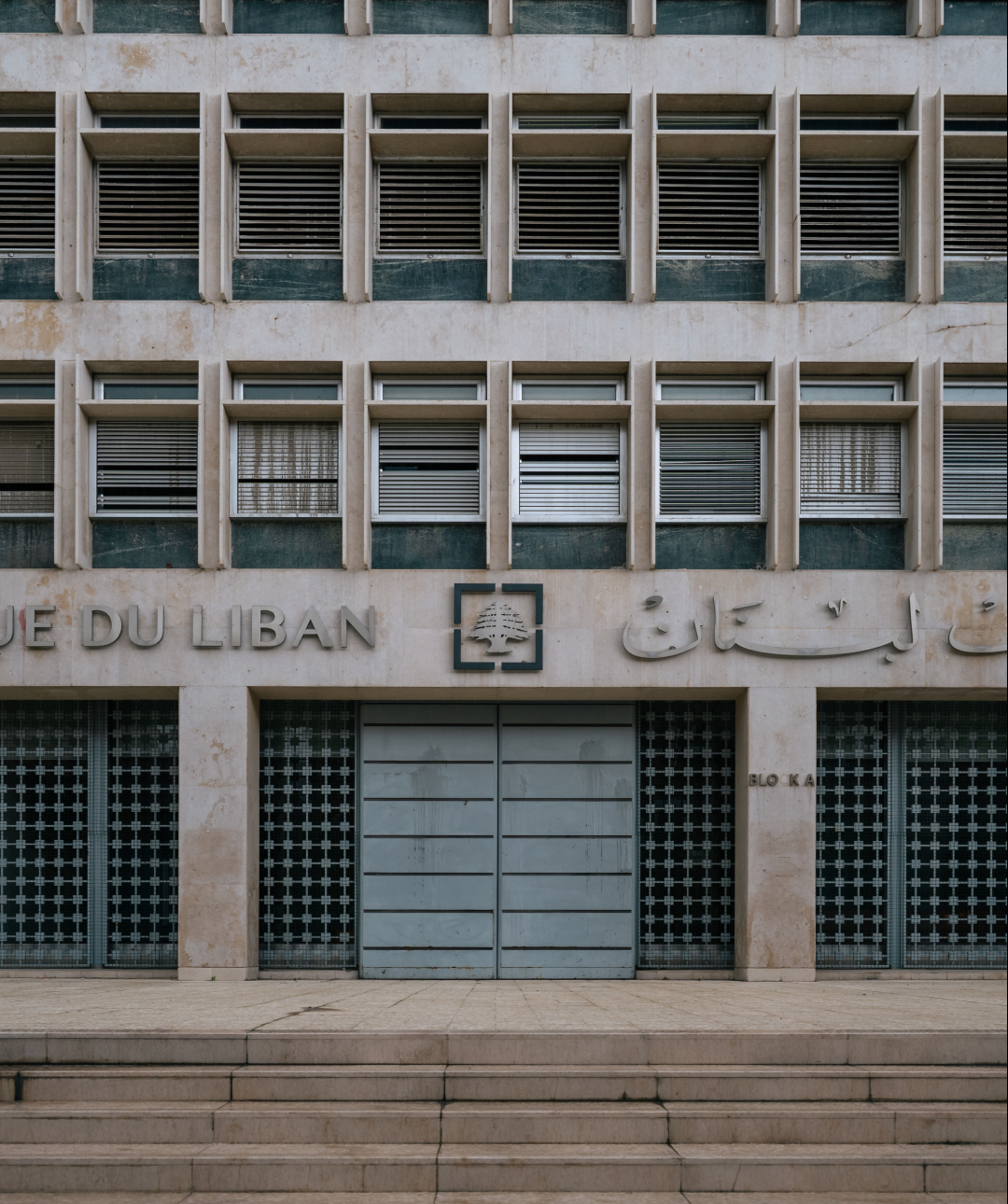
In October 2019, Lebanon’s insolvent banks blocked depositors from withdrawing their dollars amid a worsening financial crisis and nationwide protests. Seven years later, those restrictions remain in place. The Lebanese pound subsequently collapsed, from 1,500 per dollar to as low as 100,000 on the parallel market, where everyday currency trading takes place. “Lollars,” the nickname for trapped dollar deposits, remain largely inaccessible, with monthly withdrawal limits in place. Now, banks are offering large depositors the option to exchange their frozen savings for real estate, government bonds, or bank shares, generally valued at an exchange rate of 15,000 pounds per dollar. Depositors now face a difficult choice: accept a steep discount to recover some of their savings today, or continue waiting for repayment that may never come.
Russia
Digital Asset Exchanges Exit Country
Three of the world’s top 10 digital asset exchanges stopped serving Russian users in October. KuCoin, the eighth largest, ended services for users in Russia and Belarus on Oct. 29, citing regulatory compliance as the reason. This came days after Bitget and MEXC announced their own exits. Affected customers will receive notices with deadlines to close positions and withdraw their funds. With three major exchanges withdrawing from Russia, ordinary citizens face fewer options for accessing Bitcoin outside of the country’s increasingly restrictive financial system.
In context: The exits land as Russia’s dictatorship rolls out its digital ruble and attempts to ban peer-to-peer bitcoin trades after July 1, 2027. An exchange leaving the country, however, does not protect its former users from later being asked to hand over transaction records. Binance exited Russia in 2023, and last month a Russian court sentenced an IT specialist to 13 years in prison over roughly $700 in donations to Ukraine after the exchange gave Russian investigators his transaction history, according to documents seen by Reuters.
Egypt
Regime Fines and Closes Independent Media Outlet
Last month, the New Cairo Misdemeanors Court convicted journalist Lina Attalah for “managing an unlicensed website” and fined her 3 million Egyptian pounds (about $55,000). Attalah is the editor-in-chief of Mada Masr, one of Egypt’s last independent media outlets, which was also ordered closed as part of the conviction. She was released hours later after supporters paid the fine in full. Mada Masr has been applying for a website license since 2018. Officials ignored its 2018 and 2020 applications, rejected the 2022 application without giving reasons, and have not answered the new application it submitted this year. Attalah’s retrial over a separate one-year prison sentence, imposed in absentia in 2024 over allegations of spreading false news, opened on Nov. 11 and was adjourned to Nov. 18.
In context: Before this, officials arrested the entire newsroom of fact-checking outlet Matsadaash. A total of 26 journalists are now imprisoned in Egypt, according to the Egyptian Initiative for Personal Rights. Attalah told AFP the regime seems to believe “silencing the media is the solution to Egypt’s problems.”
India
Major Bank Launches Digital Rupee App
Indian Overseas Bank, a government-owned public sector bank, launched a digital rupee app this week, becoming the latest bank to offer wallets for the Reserve Bank of India’s central bank digital currency (CBDC). The app supports instant person-to-person and person-to-merchant payments, interoperates with the Unified Payments Interface (UPI), India’s digital payment system, and includes “programmable CBDC” functionality. This means it can be programmed for “purpose-specific disbursement and utilization of government grants and benefits,” according to The Hindu Business Line.
Why this matters: Unlike ordinary cash, programmable CBDCs can allow governments to place conditions on how certain funds are spent. Although this could help ensure public benefits are used for their intended purposes, it also gives officials greater control over recipients’ financial decisions. This is a particular concern in a hybrid authoritarian regime that is not hiding its active promotion of the digital rupee.
Burma
Junta Threatens Legal Action Over Unauthorized Currency Trading
Burma’s central bank warned on Nov. 5 that individuals and businesses exchanging foreign currencies without government licenses, or trading at rates different from those prescribed by government officials, could face legal action. The warning covers transactions involving US dollars, Chinese yuan, Thai baht, and Indian rupees, among other currencies. Officials instructed banks and money changers to follow government exchange rates and threatened enforcement under the country’s financial and foreign exchange laws. In a country ruled by a military junta, restrictions on foreign currency trading give officials greater control over how individuals use their money and force more people to rely on a weak currency.
Recommended Content
As Xi And Trump Met, Bitcoin And AI Converged For Liberty by Roger Huang
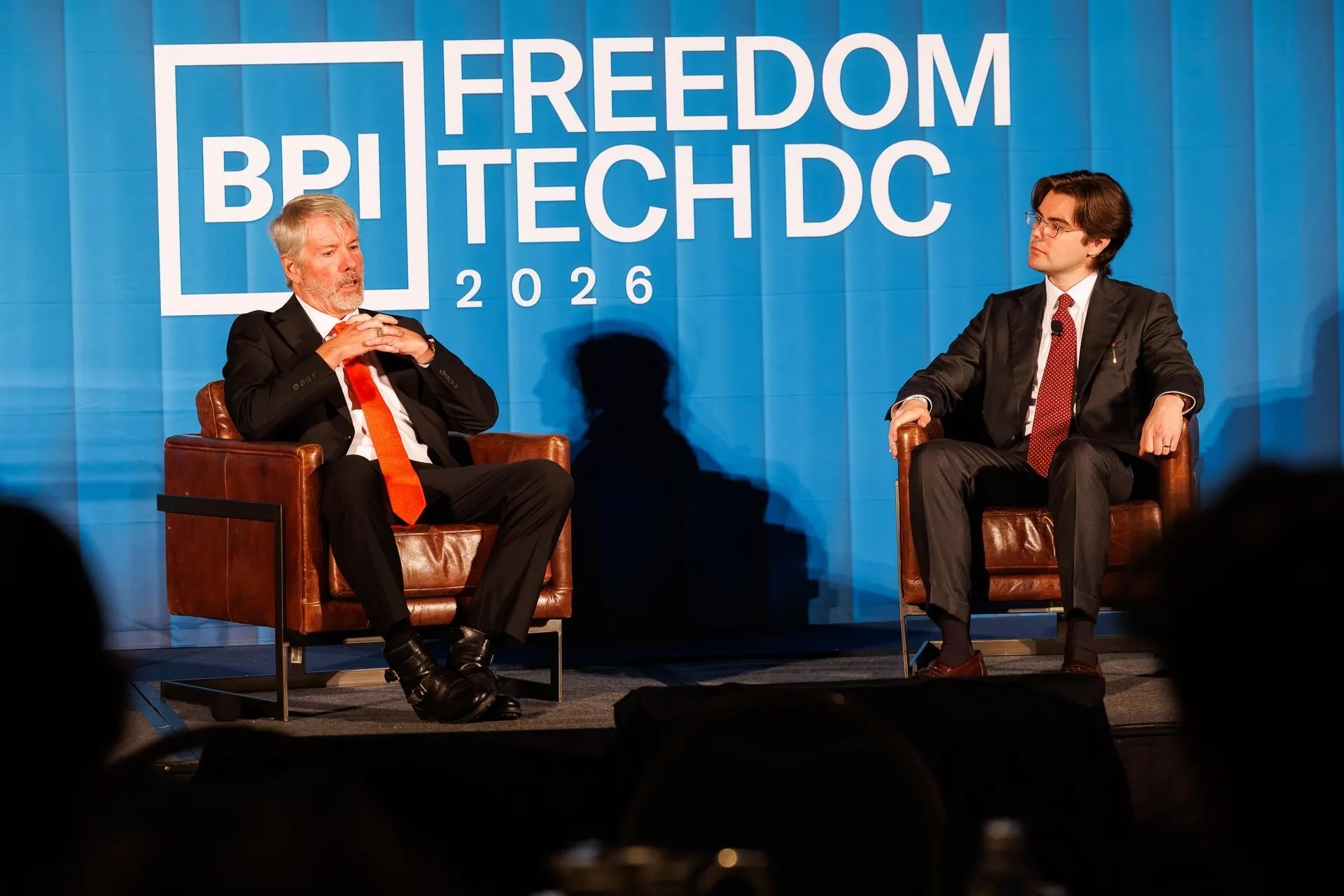
In an article for Forbes, author and journalist Roger Huang covers Xi Jinping’s state visit to Washington, D.C., the Freedom Tech DC conference, and HRF’s AI Hack for Freedom, all of which took place in the same city in the same week. He uses this contrast to argue that technologies that states build for control are eventually claimed by the dissidents who use them for liberty, and to convey what this means for Bitcoin and AI. Read the article here.
Bitcoin and Freedom Tech News
Liquid
Bitcoin Reserves Fully Restored After $320 Million Exploit
Last week, the Liquid Federation announced that the bitcoin reserves backing the Liquid Network have been fully restored following a major security exploit in September. A final deposit of approximately 250 BTC on Nov. 2 restored the network’s 1:1 backing, meaning every LBTC in circulation is once again backed by an equivalent amount of bitcoin in reserve. Anyone running a Liquid node can independently verify these figures. While the restoration resolves concerns about the network’s reserves, direct withdrawals remain subject to additional restrictions. Blockstream had pledged to cover the roughly 600 BTC shortfall.
In context: Liquid is a Bitcoin sidechain designed to enable faster, cheaper, and more private transactions. In September, attackers exploited a software vulnerability to create approximately 4,000 LBTC without depositing the equivalent bitcoin, then exchanged those tokens for roughly $320 million in real bitcoin held in the network. The attackers subsequently returned 3,400 BTC, leaving a substantial shortfall.
BIPs
Developers Publish Three Proposals to Improve Transaction Efficiency
Bitcoin developers have published three new Bitcoin Improvement Proposals (BIPs 458, 459, and 460), exploring ways to make Bitcoin transactions smaller and cheaper. The proposals focus on cross-input signature aggregation (CISA), a technique that combines multiple digital signatures within a transaction, potentially reducing fees and making privacy tools more affordable for dissidents. In 2024, HRF funded Bitcoin Core developer Fabian Jahr to research CISA’s potential to improve financial privacy, culminating in a report published in March 2025. The proposals remain under consideration. Explore them here.
Liana Wallet
New Languages, Taproot by Default, and Electrum Server Fix Added
Liana Wallet, a self-custodial Bitcoin wallet with built-in inheritance features, released version 16.0 with support for French, Italian, and both Brazilian and European Portuguese. The addition of these languages could make self-custodial Bitcoin more accessible to people living under authoritarian regimes in Angola, Cameroon, Chad, the Democratic Republic of Congo, and Mozambique. New wallets created with Liana also now use Taproot by default. Taproot is a past update to Bitcoin that can make Liana’s inheritance and multisignature transactions cheaper and more private by concealing spending conditions that were never used. The release also hardens the wallet against an Electrum server attack disclosed in October.
Lightning Labs
Emergency Update to Protect Nodes from Linux Vulnerability
Lightning Labs has released emergency updates to LND, a widely used Bitcoin Lightning Network implementation, following the discovery of a critical vulnerability in the Linux operating system. The flaw could allow attackers to remotely take control of vulnerable servers, potentially threatening Lightning nodes connected to the internet. Lightning Labs responded by disabling the affected networking feature in LND versions 0.20.7-beta and 0.21.6-beta. However, the updates only mitigate the vulnerability through LND; fully addressing the flaw requires patching the underlying Linux operating system.
LNbits
Operators Urged to Shut Down Servers Following Security Attacks
LNbits, an open-source platform for managing Bitcoin Lightning wallets and payments, warned that attackers were exploiting vulnerabilities in its software to create unauthorized accounts and withdraw funds. The team urged operators to immediately shut down their LNbits servers and temporarily suspended its hosted service as a precaution. They have since released version 1.7.0, which they encourage all users to update to immediately. However, updating alone cannot remove access an attacker may already have gained.
Bitcoin Recommended Content
The App They Don’t Want You to Have: Bitchat Explained with Ben Perrin
In a new tutorial, Bitcoin educator Ben Perrin explores the latest features of Bitchat, an offline messaging app that uses Bluetooth to enable communication without an internet connection. The tutorial walks viewers through sending messages offline, sending bitcoin-based payments, and sharing the app directly between phones, even without internet access. This is an especially relevant tutorial with Bitchat facing bans and restrictions in countries like China and India. Watch it here.