
Happy Thanksgiving, readers!
We want to thank you for supporting the Human Rights Foundation’s (HRF) work. Because of you, human rights defenders, journalists, nonprofits, and dissidents from China to Nicaragua and beyond are gaining access to technologies that help them stay safe, connected, and free, even under the most repressive regimes.
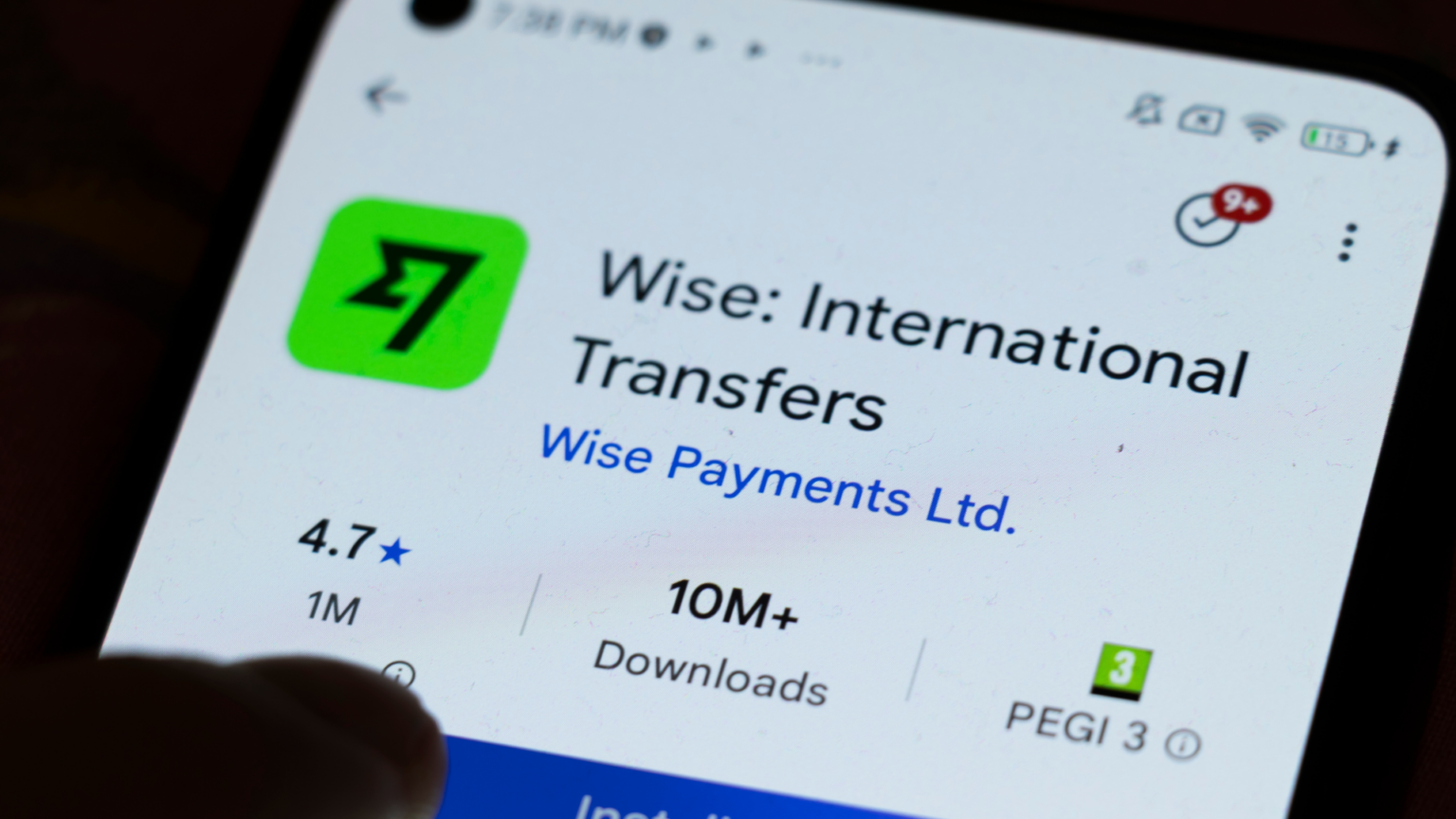
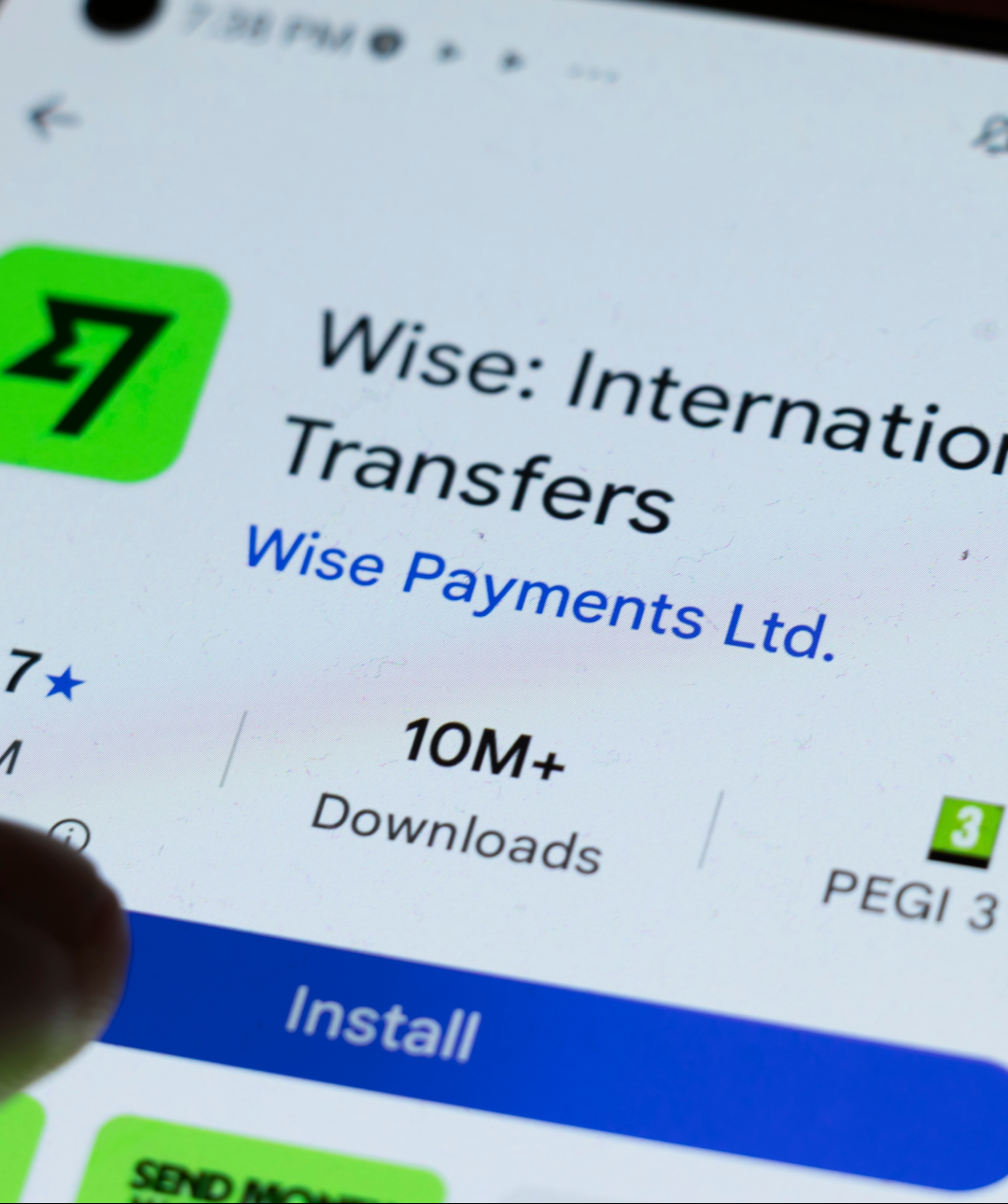
In Hong Kong, pro-democracy activist Carmen Lau reported that Wise froze her account after she attempted to send money to fellow activist Anna Kwok. The incident follows similar restrictions affecting another exiled Hong Kong activist, Finn Lau, raising concerns about the power of financial companies, in conjunction with Hong Kong’s national security law, to cut people off from their money.
In Bitcoin news, Cornell University has released the full findings of the Global Bitcoin Adoption Index on a new interactive website. This landmark research reveals how multifaceted Bitcoin use is around the world; it can be an investment in wealthier economies, but elsewhere it’s an increasingly important way to save and move money when inflation, monetary controls, and unreliable banks threaten financial freedom.
We feature Freedom House’s “Freedom on the Net 2026” report, which documents the 16th consecutive year of declining internet freedom worldwide, including escalating censorship and internet shutdowns in many countries with authoritarian regimes.
Now, let’s dive into the full stories.
Global News
Hong Kong
Wise Account Closures Raise Financial Repression Concerns
Hong Kong pro-democracy activist Carmen Lau reported that financial services company Wise froze her account without warning. “Wise froze my account with zero notice and zero explanation,” she wrote, “simply because I tried to send money to fellow activist Anna Kwok.” Her experience follows a similar incident in August involving yet another exiled Hong Kong activist, Finn Lau, whose Wise personal and business accounts were closed, disrupting operations at his independent news outlet, Points Media. His accounts were eventually restored, following pressure from human rights organizations. The reasons behind these restrictions remain unclear.
In context: Human rights organization ARTICLE 19 recently published a handbook warning that Hong Kong’s national security laws allow officials to compel financial platforms and banks to share customer information, potentially resulting in financial repression. Here, we encounter the heart of the issue: These activists depend on intermediaries that collect their data and can unilaterally cut off their access to money. Yet the handbook mentions Bitcoin only briefly and does not teach activists to use it, a notable omission of a powerful alternative. Unlike money held in a bank or Wise account, bitcoin held in self-custody cannot be frozen by a financial company, making it an effective tool for financial freedom under repression.
West Africa
Governments Renew Plans for Common Currency in 2027
The Economic Community of West African States (ECOWAS), a bloc of 12 countries where the majority are authoritarian, is renewing plans to introduce a shared currency called the ECO in 2027. At a Nov. 17 summit in Sierra Leone, Ghanaian President John Mahama proposed launching the currency first in countries that meet the economic requirements, rather than waiting for every member state to qualify. Under the proposal, participating countries could initially use the ECO alongside their national currencies, with the longer-term goal of adopting it as a common currency to facilitate regional trade and cross-border payments. However, the project has faced repeated delays, including a previously planned 2020 launch, as governments in the region grapple with high inflation, debt servicing, and unbalanced budgets that hamper their ability to participate in the project.
Why this matters: West Africa has a troubled history with shared currencies. For decades, the CFA franc has tied several countries’ monetary policies to France, limiting their control over their own money. A common currency might make trade easier, but that doesn’t necessarily mean ordinary West Africans will benefit.
Honduras
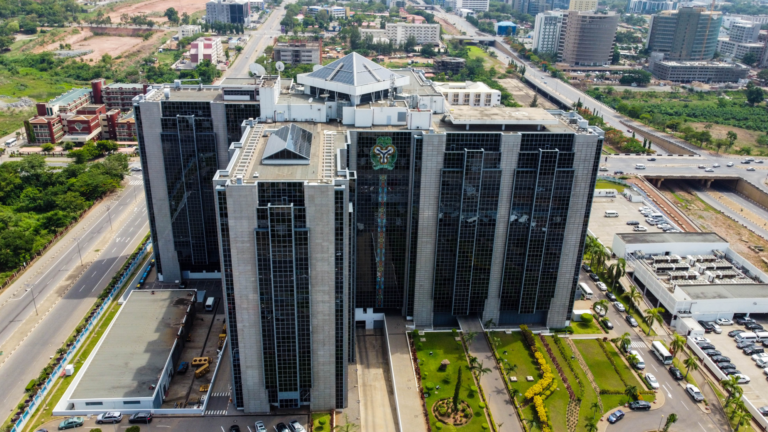
Central Bank Researching Digital Currency
The Central Bank of Honduras has entered a research partnership with blockchain developers Cosmos Labs and Peersyst Technology to explore a potential central bank digital currency (CBDC) and new systems for instant and cross-border payments. The collaboration will involve workshops, technical demonstrations, and research into whether blockchain technology could make payments faster, cheaper, and more accessible for the Central American country.
The risk: A CBDC could make everyday payments more convenient, but this convenience comes at the cost of individual financial freedom. CBDCs are inherently centralized, and that design, which too often includes programmability and limited privacy, risks handing Honduran financial officials greater visibility into individuals’ financial activity. For people living under a hybrid authoritarian regime, these capabilities raise serious concerns about financial freedom. Honduras, however, has not announced whether any future digital currency would include these controls.
Sudan
Central Bank Freezes Dozens of Accounts
Sudan’s central bank has ordered banks to freeze the accounts of dozens of companies, institutions, and individuals over suspected money laundering and terrorism financing. The directive affects accounts across the gold, petroleum, telecommunications, and import-export sectors. According to banking sources, those whose accounts were frozen will now face investigations to determine the source of their funds and whether it is connected to financial crimes. In other words, officials have restricted access to the funds, citing suspected financial crimes, before completing investigations into their origins.
Why this matters: Sudan, classified as a fully authoritarian regime, is already torn apart by a civil war between the Sudanese Armed Forces and the Rapid Support Forces. The conflict has devastated the currency, disrupted banking, and sent prices soaring. Temporary account freezes can be justified when officials have evidence of financial crimes, but when that evidence is not publicly disclosed, it becomes difficult to assess whether the restrictions are justified or being applied arbitrarily. For people already mired in adverse economic conditions, these decisions introduce yet another layer of financial uncertainty.
Egypt
IMF Agrees to Release up to $2.3 Billion
The International Monetary Fund (IMF) has reached a preliminary agreement to release up to $2.3 billion to Egypt, subject to final approval. The funding comes as part of an $8 billion loan program intended to stabilize an economy struggling with high debt, inflation, and foreign currency shortages. In exchange for continued financial support, Egypt has committed to economic reforms that include reducing the state’s role in the economy, selling public assets, and allowing greater flexibility in the value of its currency. Despite repeated international assistance, Egypt’s annual financing needs are expected to remain around 40% of its economic output in the near term.
In context: These conditions reflect a practice known as structural adjustment, where international lenders require governments to alter economic policies in exchange for financial assistance. While the goal is to restore stability, reforms such as removing subsidies can raise the cost of food, fuel, and other necessities. Meanwhile, currency depreciation, often a hallmark of structural adjustment, makes imported goods more expensive and erodes the purchasing power of people’s wages and savings. The concern is that Egyptians living under an authoritarian regime may bear the immediate costs of these reforms while the regime continues borrowing billions from foreign lenders.
Recommended Content
“Freedom on the Net 2026” by Freedom House
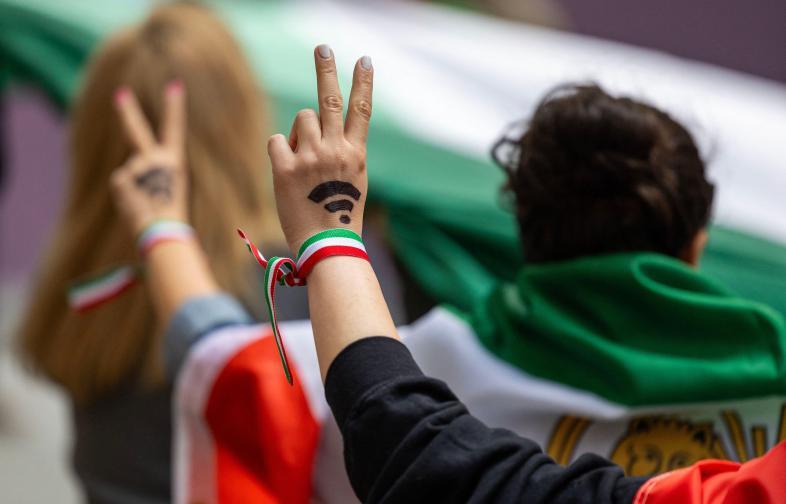
Freedom House published its “Freedom on the Net 2026” report, documenting the 16th consecutive year of declining internet freedom worldwide. Of the 38 countries assessed, 16 experienced worsening conditions, with Iran recording the largest decline. This reflects Iranian officials imposing an unprecedented 88-day nationwide internet shutdown earlier this year. The report also examines how new online age-verification laws threaten anonymity by requiring sensitive personal information, and how governments can misuse artificial intelligence (AI) regulations to suppress criticism. Read the full report here.
Become Unstoppable: Financial Freedom Webinar

For human rights organizations and activists, the ability to receive donations, protect savings, and make payments can determine whether their work survives financial repression. When governments freeze bank accounts or block transactions, Bitcoin can offer an alternative. To help civil society use Bitcoin tools safely, HRF is hosting “Become Unstoppable,” a free, three-day webinar series on Dec. 14–16, 10:30 a.m. to 12:00 p.m. ET daily. The series is designed to teach activists and nonprofits practical Bitcoin skills, including managing wallets, securing funds, and making payments independently.
Dec. 14–16, 2026
10:30 a.m. - 12:00 p.m. ET
Bitcoin and Freedom Tech News
The Global Bitcoin Adoption Index
Full Report and Interactive Website
Cornell University released the full findings of the Global Bitcoin Adoption Index, including a new interactive website exploring how people use Bitcoin around the world. Led by Dr. Sarah Kreps, director of the Brooks Tech Policy Institute, and supported by HRF, the study surveyed more than 25,000 people across 25 countries and conducted 250 in-depth interviews with activists, small business owners, remitters, and others whose stories sit behind the numbers. The data is rich with insights, but the core lesson is that viewing bitcoin through a “developed country” lens (in other words, from a place of financial privilege) misses its most consequential uses. The same technology that serves as an investment in one country is day-to-day money in another. First unveiled at the Oslo Freedom Forum in 2025, the index is the first independent, non-corporate-funded, academic study of who uses Bitcoin and stablecoins, and why. Explore it here.
Buzz
Version 1.0 Launched
Block, the company behind Square and Cash App, released Buzz 1.0, the public launch milestone for its free, open-source team workspace built for humans and AI agents to work side by side. Anyone who has used Slack will intuitively understand this tool. The difference is how it functions underneath: Teams can add AI agents, and those agents share the same channels, context, and projects as the people. Privacy-focused AI provider and HRF grantee Maple AI has even integrated its agent infrastructure into Buzz. Human rights organizations can also run Buzz on their own servers rather than relying on a company to host their conversations and files, since it is built on Nostr, an open and decentralized communication protocol.
Why this matters: Human rights organizations working under authoritarian regimes can run their own collaboration software rather than depending on platforms they do not control. Buzz also brings AI agents into everyday work, while allowing teams to choose how their communications are hosted. Privacy still depends on how the system and its AI integrations are configured.
OpenSats
Awards 21 Grants to Strengthen Bitcoin and Freedom Technology
OpenSats, a nonprofit supporting free and open technology, has announced 21 grants supporting Bitcoin development, including 8 new grants and 13 renewals. Among the recipients is the Tor Project, which will develop tools to identify malicious servers that threaten users’ online privacy. There is also Dana Wallet, a Bitcoin wallet that allows people to receive payments without repeatedly exposing their transaction history. Explore the full list of grantees here and learn how their work can strengthen financial privacy, self-custody, and censorship resistance for human rights defenders.
Bitcoin Policy Institute
Rebrands to Finney Foundation for Open Technology
The Bitcoin Policy Institute (BPI), a Washington, D.C.-based think tank, has announced its expansion into the Finney Foundation for Open Technology. Named after Bitcoin pioneer and privacy advocate Hal Finney, the foundation will broaden its policy research and advocacy beyond Bitcoin to include open-source AI, encrypted messaging, and other technologies that protect individual freedom. Bitcoin will remain a central focus, with BPI continuing its existing work under the new organization.
Project Spotlight
BitBiashara | Bitcoin for Business and for Kids
In Nairobi’s densely populated Tena Estate neighborhood, BitBiashara is a project helping Kenyan merchants accept bitcoin as payment and building a community where people can earn and spend it in everyday life. Founded by Rosaline Waithiegeni, the project has grown into a small circular economy with 18 merchants using bitcoin, more than 1,000 recorded transactions, and regular community meetups. But Rosaline’s ambitions extend beyond business. She shared that many parents in Tena Estate work long hours, leaving kids to spend their days on the streets, where gang recruitment and drugs are real risks. To provide a safe space for children, BitBiashara launched Nextgen Village, offering dance, chess, gymnastics, and bitcoin lessons.
In context: BitBiashara was already underway when Rosaline attended an HRF Financial Freedom webinar in March 2025. But she says the experience inspired her to launch Nextgen Village, the project’s children’s program. Today, BitBiashara is working toward a permanent community hub where income from local business activities could help fund its educational and nonprofit programs. What began as an effort to help merchants use Bitcoin is growing into something bigger: a community using financial freedom as a foundation for opportunity.
Bitcoin Recommended Content
AI-Assisted Security Review with Rob Hamilton
Bitcoin research and development nonprofit Brink has published a discussion with Rob Hamilton, CEO of AnchorWatch, exploring how AI can help identify security vulnerabilities in Bitcoin software. Hamilton shares lessons from Red Team’s use of large language models to examine more than 650 codebases, including Bitcoin Core, for potential weaknesses. As AI makes it easier for attackers to search software for weaknesses, these same tools could help Bitcoin developers find and fix vulnerabilities before they are exploited. Watch the discussion here.