

Welcome back to the Financial Freedom Report.
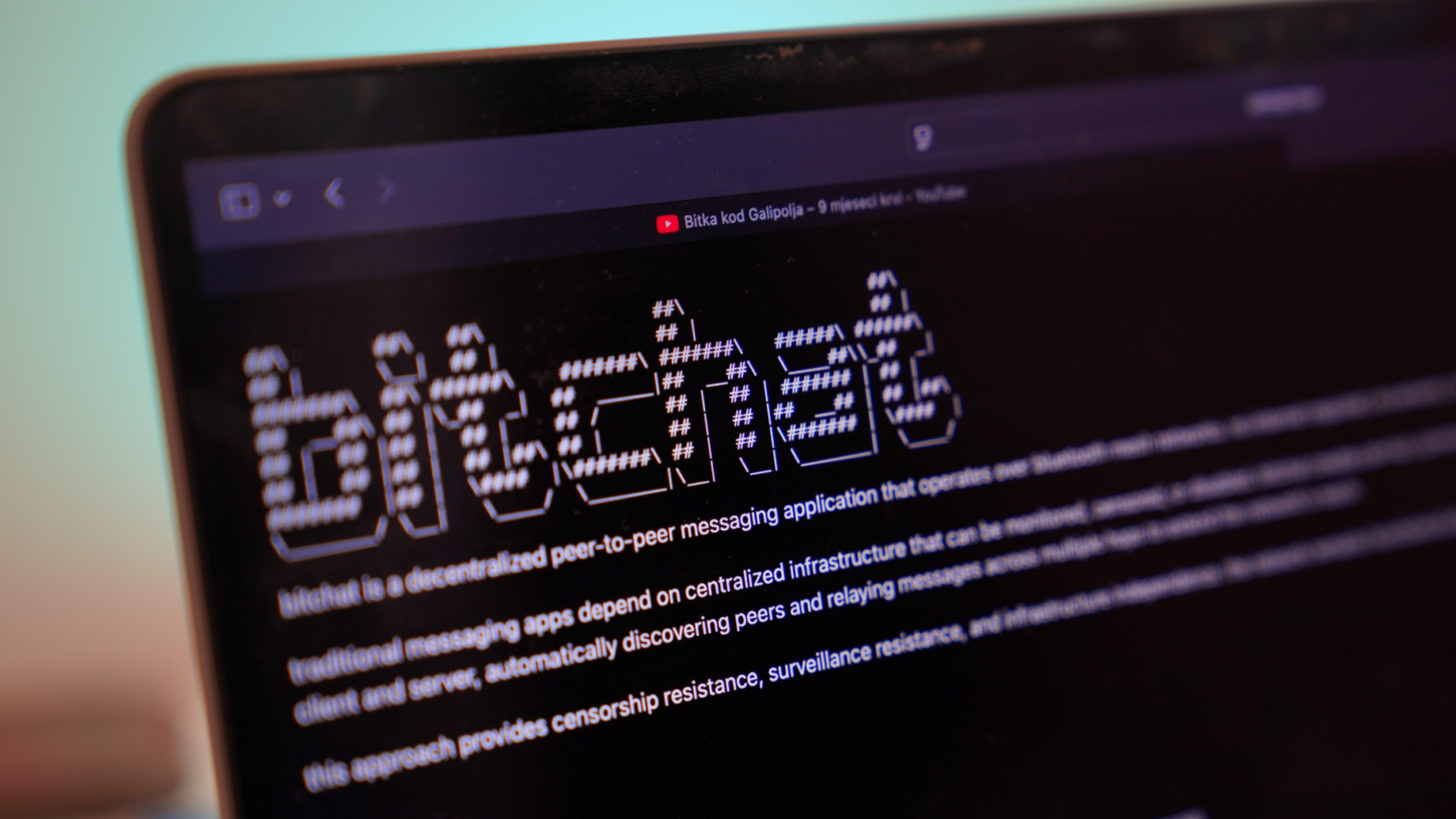
In India, Apple removed Bitchat from the country’s App Store after the government ordered the company to block the offline messaging app. The move follows an earlier order targeting Bitchat’s code on GitHub and comes as protesters again face internet restrictions in New Delhi, amid renewed demonstrations.
Meanwhile, Iran’s currency fell to a new low of more than 2.7 million rials per dollar, the latest in a string of record lows. Protests have spread to cities across the country, and the dictatorship is answering with more executions, internet restrictions, and random phone checkpoints.
In Bitcoin news, Citadel FOSS, the team behind the Bitcoin privacy protocol OpenSwap, released Portal, a dedicated wallet and router designed to help users swap bitcoin with one another while breaking the link between transactions on the blockchain. With Portal, users can make private swaps and, if they run a Bitcoin full node, provide liquidity for others in the same app. The project is still in beta.
We feature the latest HRF x PubKey Freedom Tech series with Keith Mukai, the lead developer of SeedSigner, an open, verifiable, reproducible, and customizable Bitcoin signing device. Mukai joins HRF’s Zac Guignard in New York to discuss how self-custody is evolving as attackers use AI to rapidly discover and exploit vulnerabilities in Bitcoin-adjacent software.
Now, let’s explore these developments in further detail.
Global News
India
Bitchat Removed from App Store
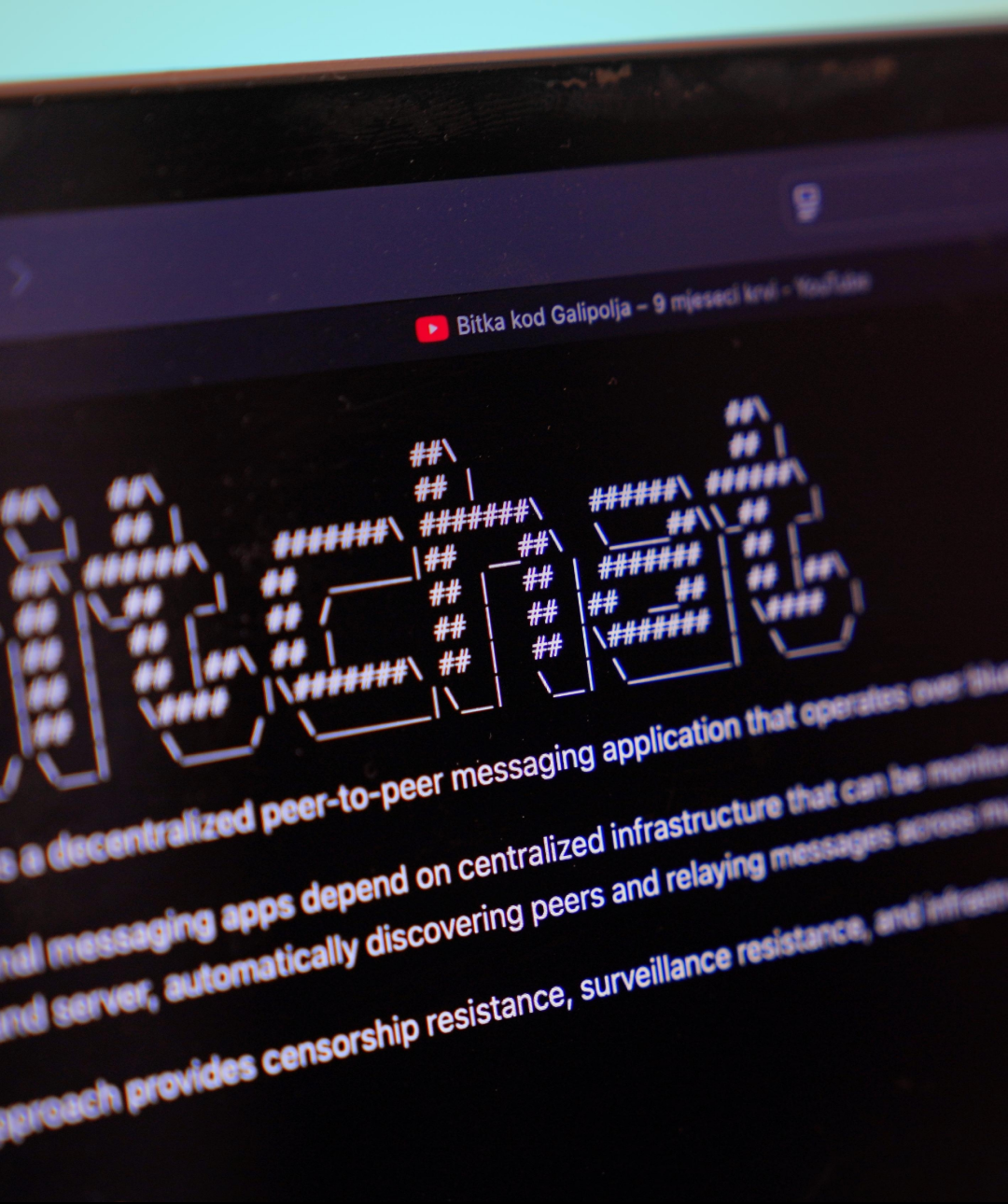
India’s hybrid authoritarian regime has ordered Apple to remove Bitchat, an offline messaging app, from the country’s App Store. The move comes as youth-led protests continue in New Delhi, and officials have again restricted internet access around Jantar Mantar during demonstrations. Bitchat uses Bluetooth mesh networks to send encrypted messages directly between nearby phones without relying on the internet or centralized servers. Apple then told Bitchat developers that India’s Ministry of Electronics and Information Technology had issued the order under Section 69A of the Information Technology Act, citing content considered illegal in India, and subsequently removed the app. Bitchat has also disappeared from Google Play, and its website is inaccessible through several Indian internet providers.
In context: Bitchat is what Indians turned to when the internet went dark last time. During protests in July, downloads jumped 32-fold in a single day, the app logged more than 91,000 downloads in five days, and daily active users in India peaked at 430,000 in late July, according to Sensor Tower. But blocking an app store does not eliminate open-source software: Android users can still download Bitchat’s APK and share the app directly between nearby phones without internet access, and others can access copies of its code hosted in decentralized repositories.
Iran
Rial Crashes Past 2.7 Million to the Dollar as Protests Spread
On Oct. 4, the Iranian rial crashed to a new low of nearly 2.7 million to the US dollar on the parallel market, the latest in a string of record lows. The currency has lost nearly half of its value since January. Meanwhile, Iran’s dictatorship hasn’t paid pensions in five months, and prices are rising hour by hour. Yet, Iran’s stock market is also breaking record highs. The simultaneous rise points to the same underlying dynamic: Iranians are increasingly trying to preserve wealth outside the rial. As cash rapidly loses value, stocks, gold, bitcoin, and dollars all become escape routes.
In context: Iranians are back in the streets, with retirees, workers, and students protesting in cities across the country. Iran’s authoritarian regime is responding with brutality and repression. On Sept. 30, the regime hanged two men arrested over the January protests in Mashhad. According to Iran Human Rights, that brings the number of protesters executed since March to at least 33. Meanwhile, demonstrators are reporting Internet restrictions and random phone checkpoints on the street by police searching for “anti-regime” content.
Turkey
State Censorship Amid $20 Billion Fund Crisis
Turkey is confronting the largest investment fund crisis in its capital markets’ history after regulators ordered the liquidation of 131 funds holding roughly $20 billion. Nearly half a million investors are affected after suspected manipulation of thinly traded stocks triggered heavy losses, mass withdrawals, and fund defaults. Some holdings may have to be sold at steep discounts, leaving many people uncertain how much of their money they will recover.
In context: Turkish officials have blocked access to hundreds of X accounts that discuss these events, including those of economists, traders, financial analysts, journalists, academics, and lawyers. A financial crisis already threatens people’s money. Preventing them from accessing independent information about what happened and what their investments might be worth compounds the issue.
Russia
Financial Repression Follows Critics Abroad
Russia is ramping up its use of financial and administrative systems to target critics even after they leave the country. According to United Nations Special Rapporteur Mariana Katzarova, Russian officials place dissidents on Rosfinmonitoring’s list of “terrorists and extremists,” creating financial red flags that can result in bank accounts being blocked not only in Russia, but also at financial institutions in Europe and the United States. The report, based on roughly 400 documented cases of transnational repression, says Russia has increasingly turned to databases, arrest warrants, financial restrictions, digital surveillance, and other scalable tools to pressure civil society abroad.
In context: HRF has documented this dynamic before in the Financial Freedom Report. Russian dissident Anna Chekhovich, the financial director of Alexei Navalny’s Anti-Corruption Foundation, had her US bank accounts temporarily frozen after Putin’s regime labeled her an “extremist” and the foundation a “terrorist organization.” These latest findings suggest that this was not an isolated incident.
Azerbaijan
Economist Gubad Ibadoghlu Allowed to Leave for Medical Treatment
Azerbaijani economist, scholar, and human rights defender Dr. Gubad Ibadoghlu has finally been allowed to leave Azerbaijan after more than three years of detention and travel restrictions. Ibadoghlu was arrested in July 2023 on trumped-up counterfeit-money charges he and rights groups described as politically motivated, then later accused of distributing religious extremist materials. His health deteriorated significantly in detention, and he was transferred to house arrest in 2024 while repeatedly seeking permission to travel abroad for treatment. At the 2024 Oslo Freedom Forum, his child, Azerbaijani human rights lawyer Zhala Bayramova, publicly called for his release and urgently sought access to medical care. But the Aliyev regime continues to target Ibadoghlu even after his release, and the fabricated criminal case against him remains open.
Recommended Content
Bitcoin Self-Custody in the Age of AI with Keith Mukai and Zac Guignard
In the latest edition of the HRF x PubKey Freedom Tech series, Keith Mukai — the lead developer of the SeedSigner project, an open-source Bitcoin signing device built from off-the-shelf parts — joined HRF’s Zac Guignard for a fireside conversation on Bitcoin self-custody in the age of artificial intelligence (AI). The discussion spanned the growing implications of AI-assisted attacks on software surrounding the core Bitcoin protocol, what this means for the average person holding Bitcoin in self-custody, and how software developers and users alike can work with these same AI tools to verify and scrutinize the open-source tools they use to harden the software. They also discussed the potential advantages for activists of using a non-branded, self-assembled signing device like SeedSigner, especially if they live under any form of financial surveillance. Watch it here.
Bitcoin and Freedom Tech News
Citadel FOSS
Unified App for OpenSwap Launched
Citadel FOSS, the developers behind the Bitcoin privacy tool OpenSwap (formerly known as Coinswap), launched Portal, a new all-in-one app for privately swapping bitcoin and providing liquidity to other users. OpenSwap still uses the CoinSwap mechanism at its core to preserve financial privacy; two or more users trade bitcoin with each other so each person ends up with different coins than the ones they started with. This is designed to break the visible link between the original and new coins, which can make it much harder for governments and analytics firms to use blockchain surveillance tools to follow where bitcoin goes next. Portal combines an OpenSwap wallet and router in one app. Users can make private swaps themselves or, if they run a Bitcoin full node, switch to the router side to provide liquidity for other people’s swaps and earn fees. The project is in active beta with experimental use on the Bitcoin mainnet.
Why this matters: Bitcoin’s public ledger can expose a dissident’s financial activity long after a donation is received. OpenSwap gives users a way to break that visible transaction trail before moving or spending their funds, reducing what governments and blockchain surveillance firms can learn from the public ledger. It doesn’t make Bitcoin anonymous, but it can make tracing a human rights defender’s financial history significantly harder.
Blitz Wallet
Browser Wallet Released
Blitz Wallet, an open-source, self-custodial Bitcoin wallet built for everyday payments, has released a browser-based version. This means Blitz users have the option to send and receive bitcoin from the browser on any device without having to install an app. While browser-based wallets do increase overall accessibility, they are generally considered less secure than open-source installed apps due to web dependencies. For example, a recovery phrase stored in the browser, rather than in an encrypted enclave on a phone, offers a wider attack surface. Under the hood, Blitz uses Spark, a Bitcoin payment layer designed to make bitcoin transactions fast and inexpensive while abstracting away technical details like managing Lightning channels or keeping a node online.
Why this matters: Browser-based access lowers the barrier to using a self-custodial wallet, especially on devices where installing apps is difficult or restricted. For human rights defenders under financial surveillance from authoritarian regimes, that flexibility can help, but it comes with the security tradeoffs noted above.
Bitcoin Chiang Mai
“Run for Freedom” Half Marathon Returns
HRF grantee Bitcoin Chiang Mai, a Thai Bitcoin education initiative, will host the second annual Run for Freedom Bitcoin Half Marathon on Nov. 22. The event brings multiple runs of varying length back to Chiang Mai after nearly 3,000 runners from 32 countries and territories participated in last year’s inaugural event. The race is designed to bring Bitcoin education and financial freedom ideas into a sporting and cultural event rather than confining them to a conference hall, an economic forum, or a thread on social media.
In context: The “Run for Freedom” theme remains especially relevant as Thailand expands centrally administered digital payment programs. Under the government’s 2026 Thai Chuay Thai Plus scheme, millions of citizens receive monthly digital subsidies that they can only spend through participating merchants, with unused benefits expiring at the end of each month. These systems demonstrate how state digital money can be conditioned by whoever controls the payment infrastructure. Against that backdrop, Bitcoin Chiang Mai is advancing a contrasting model centered on financial literacy and money that individuals can hold and move independently in a country HRF classifies as ruled by a hybrid authoritarian regime.
Breez
Q3 2026 Class of SDK Integrations
Breez, a company building infrastructure for Bitcoin payments, shared its Q3 2026 class of projects using the Breez Software Development Kit (SDK). The SDK provides developers with tools to add Lightning payments to their apps without building the underlying payment infrastructure from scratch. Recent integrations include Bro, which connects people who want to pay real-world bills with bitcoin to providers willing to make the corresponding payment in local currency. Minmo provides infrastructure that helps businesses and local agents offer Bitcoin on- and off-ramp services in their communities. And Radar, an encrypted messenger built from Signal’s open-source software, integrates self-custodial bitcoin payments directly into conversations.
Why this matters: For users, these integrations can mean paying a bill, exchanging bitcoin for local currency, or sending bitcoin inside an encrypted conversation without first learning how Lightning works. By pushing Bitcoin payments into tools people already use, Breez helps make the network more practical for everyday use by dissidents, nonprofits, and ordinary people.
Cash App
Launches Weekly Bitcoin Rewards for Holding Bitcoin
Cash App, a payments app by financial services company Block, launched Bitcoin Bonus, an opt-in feature that pays its users weekly rewards in satoshis (the smallest unit of bitcoin) based on the amount of bitcoin they hold in the app. Importantly, Cash App says this is not a yield product. According to the company, users’ bitcoin is not locked, lent, or moved to generate the reward, and the bonus is funded directly by Cash App. But it’s also critical to remember that Cash App is a custodial wallet, meaning it holds users’ bitcoin on their behalf. This introduces counterparty risk that may not be appropriate for all users, depending on their needs and risk tolerance. Cash App also just added Spanish-language support, expanding access for Spanish-speaking users.
Why this matters: Activists and exiled dissidents in the United States already use Cash App. Bitcoin Bonus could be an effective way for them to earn some extra bitcoin, while holding onto their freedom money, that they can later withdraw into self-custody. Similar features could be especially beneficial in other markets, where people face unstable currencies or limited access to reliable savings tools.
Bitcoin Recommended Content
Rob Hamilton Is Using AI to Break Bitcoin
In a new episode of Hell Money, AnchorWatch CEO Rob Hamilton joins software developers Casey Rodarmor and Erin Redwing to discuss how AI is changing the security landscape for Bitcoin. Hamilton describes how the recent Coldcard incident helped catalyze the Bitcoin Red Team, a volunteer effort using AI to examine open-source Bitcoin projects for security flaws before attackers find them. He argues that increasingly capable AI models are making sophisticated vulnerability research accessible to far more people, raising the stakes for both attackers and defenders in the Bitcoin ecosystem. Watch it here.