
Welcome to this week’s Financial Freedom Report.
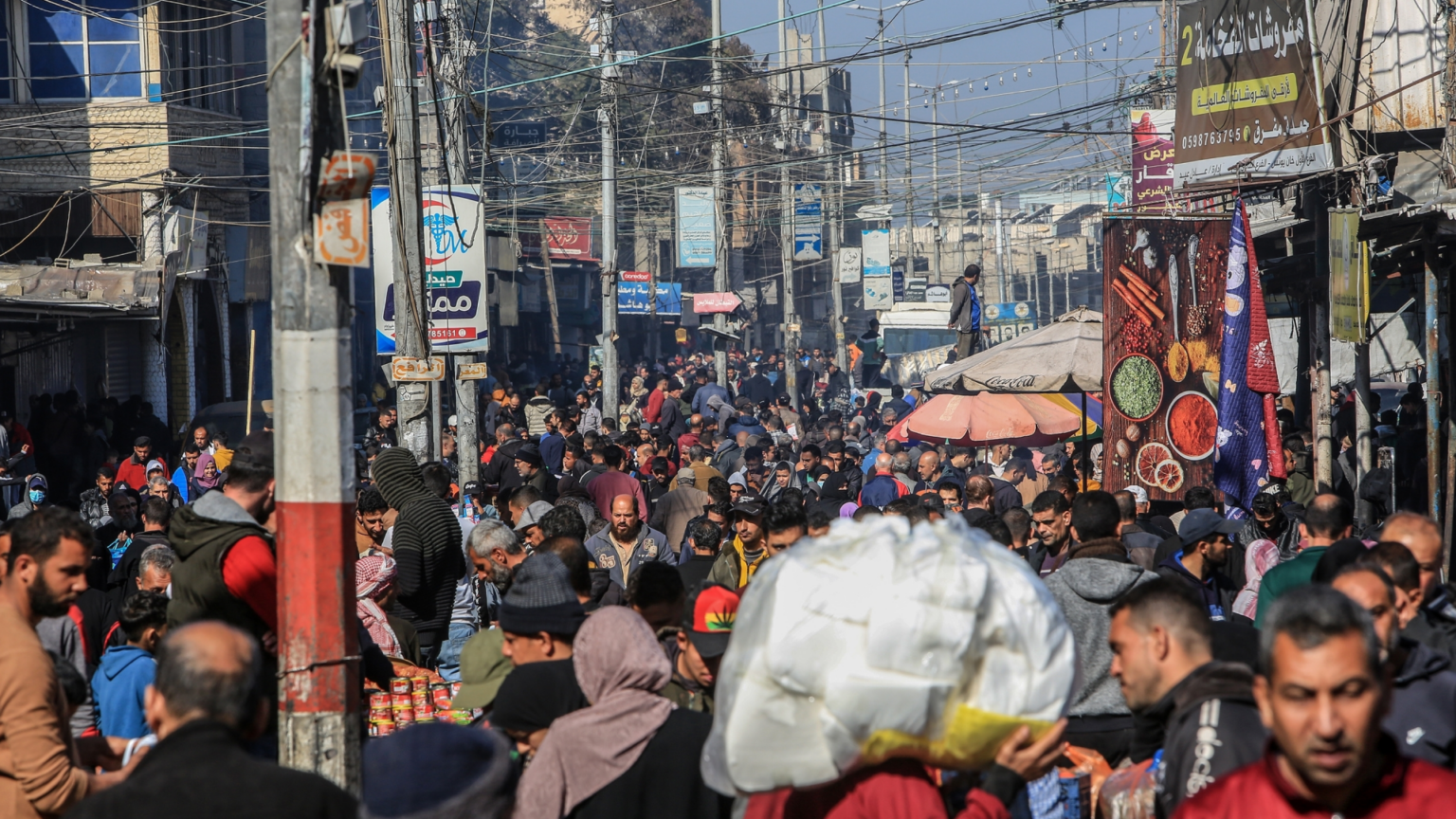
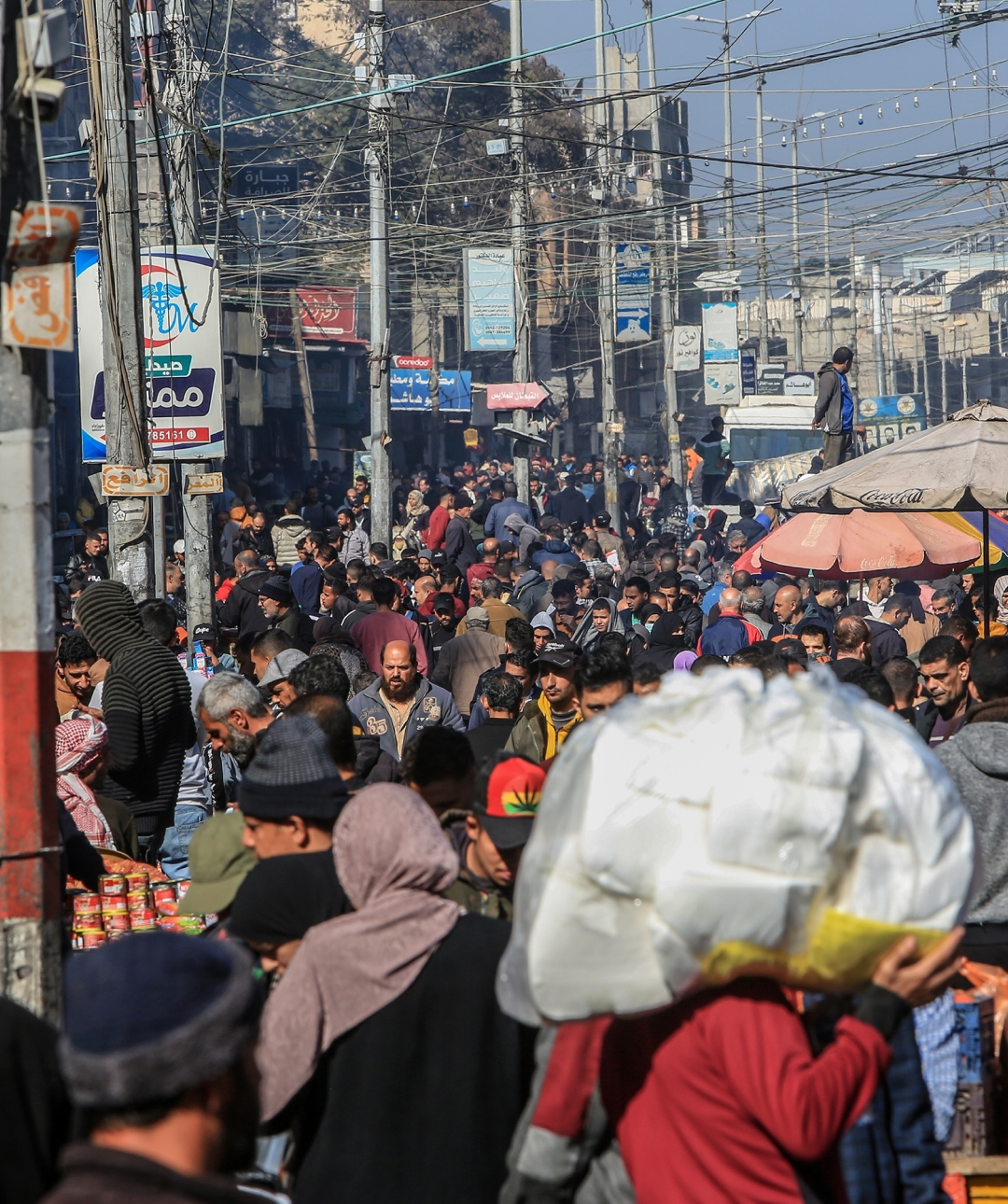
In Gaza, Palestinians report that they are unable to access their own money after the Bank of Palestine froze accounts without warning. Those in Gaza already faced acute cash shortages, and losing digital access to savings, salaries, and aid further compounds financial stress for people living through war and a grave humanitarian crisis.
In Bitcoin news, Ashigaru, an open-source and privacy-focused Bitcoin wallet, released a desktop app that includes CoinJoin, a privacy-preserving technique that obfuscates transaction details by mixing the inputs of multiple different Bitcoin transactions. By making stronger financial privacy more accessible, Ashigaru can be a valuable tool for activists under the surveillance of dictators.
We include an essay by Malawian developer Innocencia Ndembera, who shares her reflections on entering the world of Bitcoin and the potential opportunities it offers Malawi. She argues that it is not perfect, and that trust, education, and local infrastructure may matter just as much as the protocol itself.
Global News
Gaza | Bank Account Closures Leave Palestinians Without Access to Money
With cash increasingly scarce since the onset of the war, Palestinians have been forced to rely on banking apps and online financial services as a main way to access money. Now, Palestinians in Gaza say the Bank of Palestine, the largest bank in the region, has frozen or closed accounts without warning, leaving thousands unable to access salaries, savings, aid, or make basic purchases during the ongoing humanitarian crisis. The Palestinian Bar Association said around 700 lawyers in Gaza were affected as part of a wider group of nearly 2,000 frozen accounts. Rami Abdo, head of the Euro-Mediterranean Human Rights Monitor, shared that account closures like this occur regularly and can affect hundreds of accounts at a time. The Bank of Palestine denied implementing widespread account freezes and says it is acting in accordance with legal and regulatory requirements.
Uganda | New Law Restricts Foreign Financing for Opposition and NGOs
In April, we reported on Uganda’s proposed Protection of Sovereignty Bill that risked restricting civil society and political opposition under the guise of national sovereignty. The bill has now been signed into law by Ugandan dictator Yoweri Museveni, forcing groups engaged in policy change or government accountability work that receive external funding to register as “agents of a foreigner.” Similar to foreign agent laws in Russia, Belarus, and China, it gives the government broad power to inspect or suspend civil society groups. Violators can face fines up to $546,000 and prison terms up to 10 years for vaguely defined offenses like receiving foreign support, challenging government policy, or publishing information deemed harmful to the economy.
Why this matters: In practice, this law will enable the Ugandan regime to asphyxiate independent civil society and to intimidate groups whose only real offense is serving people the state has failed.
Russia | Central Bank Rejects Alternative Payment Network
Russia’s central bank has blocked a proposal by the country’s three largest banks to launch a new domestic payment system. The central bank rejected the proposal in both forms it was presented: first as a card-based network, then as a QR payment system. The decision reinforces the central bank’s complete control over Russia’s payment infrastructure, restricting alternatives and ensuring domestic payments continue to flow through a single, authoritarian-controlled system.
Why this matters: As dictators increasingly centralize financial infrastructure and restrict alternatives, decentralized and permissionless ways to access Bitcoin in Russia become ever more important for preserving financial freedom.
Bangladesh | Central Bank Mandates State QR Payment System
Starting July 1, every merchant QR code in Bangladesh will be replaced by a government-backed standard. This comes after Bangladesh Bank announced that Bangla QR, its QR code system, will become mandatory. Banks and payments providers are required to update their existing merchant QR codes to Bangla QR by June 30 or face financial penalties. Officials claim the system will help create more digital transaction records, shrink the informal economy, improve tax collection, and strengthen anti-money laundering efforts. It also comes as part of the central bank’s efforts to reduce reliance on more private payment methods, such as cash.
Why this matters: Bangla QR is the latest example of the growing centralization of payment infrastructure flowing through digital rails and under the control and surveillance of a hybrid authoritarian regime. For local civil society or political opposition, it’s not hard to see how this unified payment standard can quickly turn into a means of financial manipulation.
Kazakhstan | Digital Tenge Rules Come Into Effect
Kazakhstan is moving from pilot to implementation for the digital tenge, its central bank digital currency (CBDC), as new operational rules come into effect starting July 19. The National Bank of Kazakhstan will operate the platform, where each unit of digital tenge may be given an alphanumeric identifier to trace transactions. Payments in the CBDC can also be programmed through smart contracts that restrict when or on what funds are spent. Access is also conditional. Users must apply for an account and pass government-mandated identity and compliance checks before they can participate, and must regularly report user data and balance records to the operator.
Why this matters: For activists and political dissidents who already face heightened financial scrutiny, systems that require government-approved accounts could easily become another point of control and exclusion. Kazakhstan joins a growing list of authoritarian regimes building programmable state digital money capable of targeted and widespread financial repression.
Recommended Content
Is Bitcoin the Answer to Malawi's Problem? By Innocencia Ndembera
What happens when a country has no foreign currency and local payment rails are failing and politicized? In this essay, Malawian software engineer Innocencia Ndembera explores whether Bitcoin can help solve Malawi’s financial struggles, ultimately concluding that technology is only part of the answer. The piece offers a thoughtful look at why trust, education, and local infrastructure matter just as much as the protocol itself.
Bitcoin and Freedom Tech News
Second | Tando, Mavapay, and JunubBTC Adopt Ark for Bitcoin Settlement
At the bitcoin++ Nairobi Open-Source Edition, Second, a company building Bitcoin payment tools, began collaborating with Tando, Mavapay, and JunubBTC on a new Bitcoin settlement network for Africa. The plan would bring Ark (an application layer on Bitcoin for payments) to mobile money and banking networks across five African countries. If successful, the project can help create an open-source Bitcoin settlement network connecting Kenya, South Sudan, Nigeria, Ghana, and South Africa.
Why this matters: The payment network would present lower liquidity costs for operators while reducing fees for users. Activists, journalists, and financially excluded groups in these countries could then use it to maintain greater day-to-day financial freedom. Learn more about these developments here.
Ashigaru | Desktop Bitcoin Wallet Launched
Ashigaru, an open-source and privacy-focused Bitcoin wallet, released Ashigaru Desktop, a graphical desktop interface for its existing terminal-based wallet. It makes advanced privacy tools, like CoinJoin, more accessible, making it a valuable option for activists seeking a desktop Bitcoin wallet. CoinJoin is a privacy-preserving technique that obfuscates transaction details by mixing the inputs of multiple transactions. The wallet also includes privacy features like the ability to hide sensitive transaction details and route connections through private internet tools like Tor. This release makes stronger financial privacy possible for a great number of people in the world.
P2Poolv2 | Decentralized Mining Pool Revival
P2Poolv2 is a revival of a project that aims to decentralize Bitcoin mining pools. Although Bitcoin mining happens around the world, many miners still connect their computers to large pool operators so they can pool their computing power and receive steadier payouts. However, most mining pool operators have influence over block templates (the transactions included in new blocks) and payouts on behalf of participants. P2Poolv2’s goal is to keep the smooth payout of a mining pool while removing the need for a centralized pool operator. Users of P2Poolv2 run their own Bitcoin node (a computer running the Bitcoin software that stores a record of all transactions) as well as a P2Poolv2 node. Then they can coordinate peer-to-peer and verify shares/rewards themselves.
Why this matters: At scale, the project could help further decentralize Bitcoin’s mining ecosystem by reducing reliance on corporate mining pools. In turn, this strengthens Bitcoin’s resistance to censorship, helping protect Bitcoin’s role as neutral, permissionless money for people who need to transact beyond authoritarian regimes.
Lightning Labs | Taproot Assets SDK Launched
Lightning Labs, a company building on the Bitcoin Lightning Network, has released the first public version of the Taproot Assets Software Development Kit (SDK), a developer toolkit designed to make it easier to build applications that issue and transfer assets such as stablecoins on Bitcoin. The release lowers the technical barriers to creating wallets, payment apps, and other financial tools that use Bitcoin as their settlement layer while allowing users to transact in different digital currencies.
Why this matters: If adoption grows, Taproot Assets can help expand access to faster, lower-cost digital payments without requiring users to leave Bitcoin’s ecosystem and the security and decentralized infrastructure it offers.
Fedi | How to Access Privacy Services With Bitcoin Using Fedi
Fedi, a company leveraging Bitcoin and ecash technology to support communities around the world, has published a guide showing users how to access the NadaNada VPN within the Fedi app. The walkthrough covers how to purchase a private VPN, eSIM, or a disposable phone number using bitcoin over the Lightning Network.
Why this matters: For human rights defenders and civil society groups using Fedi, tools like NadaNada can help protect internet access, preserve privacy, and maintain communications across borders, strengthening not just economic agency but the freedom to connect, organize, and operate safely.
Bitcoin Recommended Content
The Education Revolution Changing Africa
Bitcoin education is often a necessary precursor to adoption. In a new documentary, The Education Revolution Changing Africa, filmmaker Kyle Huber captures grassroots Bitcoin education spreading across Kenya through merchants, youth, women’s initiatives, and community projects. It features the work of local Kenyan Bitcoin educators and many HRF grantees, such as My First Bitcoin, Bitcoin Dada, and The Core. From Nairobi to Biashara, Bitcoin is supercharging financial resilience and filling the gaps left by systems unable to serve a growing digital population.