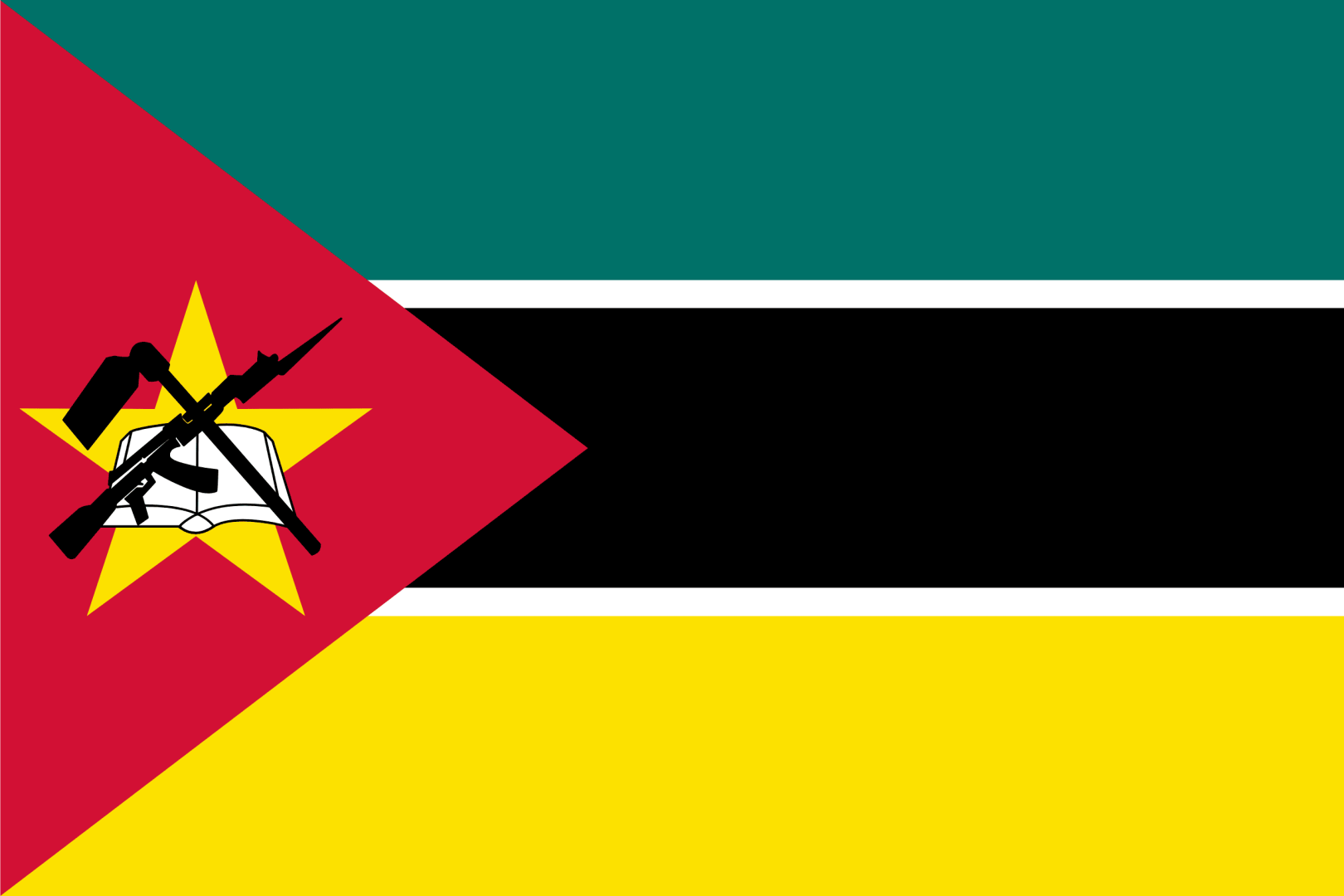
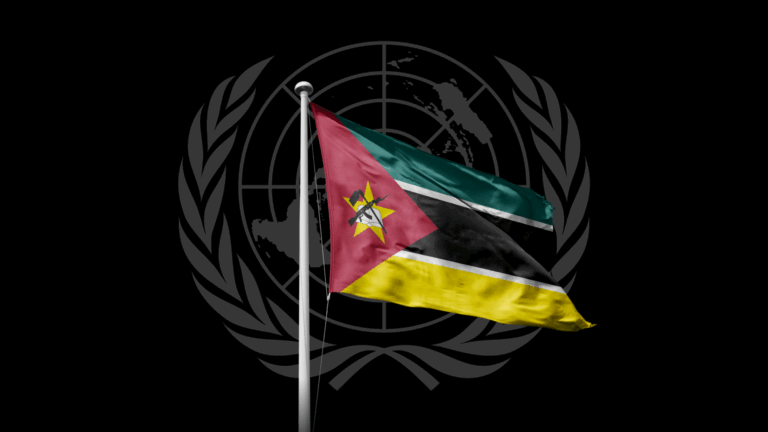
HRF classifies Mozambique as a country ruled by a fully authoritarian regime.
Mozambique is a unitary state with a presidential system of government. The head of state, Daniel Chapo of the incumbent Mozambique Liberation Front (FRELIMO), took office in January 2025 through an electoral process widely discredited by both domestic and international observers as highly manipulated. FRELIMO emerged as a liberation movement that led Mozambique to independence from Portugal in 1975. FRELIMO turned independent Mozambique into a one-party state and prevailed in a 16-year civil war against the rival RENAMO (Mozambican National Resistance) before transitioning the country to a multi-party system in 1990. The proclamation of Chapo’s victory amid widespread allegations of large-scale fraud in 2024 sparked the longest and most vigorous nationwide contestation movement in the country’s history, led by opposition leader Venâncio Mondlane.
Key Highlights
National elections in Mozambique are a sham, to the point where the mainstream political opposition party has no realistic chance to meaningfully compete and possibly win. In the seven presidential elections since the introduction of the multi-party system under the 1990 Constitution, the regime continued to distort the electoral landscape in its favor by manipulating the electoral process, placing party members in key positions, and exerting political influence over election-monitoring institutions.
Independent media, political leaders, civil society figures, organizations, and ordinary citizens face open and systematic retaliation for criticizing or openly challenging the regime. The regime systematically and violently cracks down on dissenting protests, with critics and political opponents of FRELIMO facing arbitrary arrests, criminal prosecutions, threats, and deadly violence.
Institutions largely fail to serve as independent checks on the regime. FRELIMO exerts disproportionate political influence and control over the other branches of government, including the legislature, the judiciary, and other public institutions, resulting in little to no meaningful checks on executive power. For example, the constitution gives the president disproportionate power in the appointment of the country’s top judges and judicial institutions such as the Supreme Court, the Constitutional Court, and the Superior Council of the Judiciary.