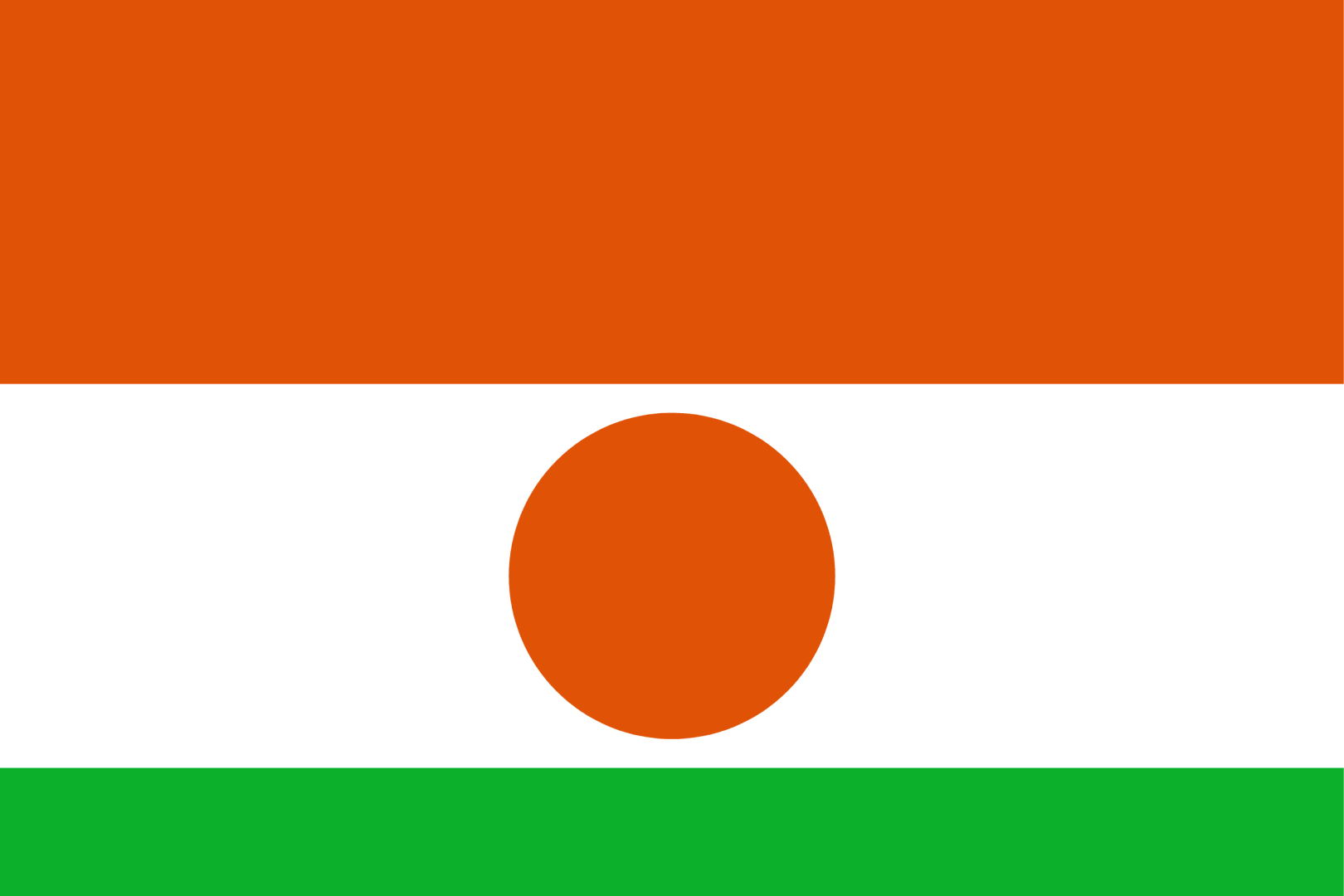
HRF classifies Niger as ruled by a fully authoritarian regime.
Niger gained its independence from France in 1960. Although it adopted a democratic constitution in 1992 and held multiparty elections the following year, the country has continued to experience significant political instability since then, including four military coups and recurrent ethnic rebellions. The latest coup took place in July 2023, when a faction of the country’s armed forces overthrew the elected government of President Mohamed Bazoum and established military rule under the National Council for the Safeguard of the Homeland (CSNP). General Abdourahamane Tchiani, the leader of the coup, was declared the transitional president in March 2025.
Key Highlights
National elections are absent in Niger, rendering moot any assessment of electoral competition. After toppling Bazoum’s government and establishing military rule, the junta led by Tchiani dissolved all institutions and permanently banned political parties. A new transitional charter declared General Tchiani as president of the transition and postponed constitutional rule to 2030.
Independent media, political leaders, civil society leaders, organizations, and members of the general public face overt and systematic retaliation if they openly criticize or challenge the regime. The CSNP has extended control over major media outlets and suspended most humanitarian organizations working across the country. International media have also encountered restrictions, particularly following coverage of the 2023 coup and other security developments. Members and supporters of the former government have been arrested or stripped of their citizenship, while increased state surveillance and harsher penalties have further suppressed dissent. The junta has also targeted regular citizens who criticized the government by ordering their suspension or dismissal from professional roles.
Institutions largely fail to serve as independent checks on the regime. The military authorities have consolidated control over judicial appointments and expanded their sanctioning powers. They have also retaliated against magistrates and unions that voiced opposition to the junta’s most prominent policies, while directing politically relevant cases to courts under their influence. In addition to this, the CSNP has claimed for itself both legislative and executive powers for the entire duration of the transition. Anti-corruption institutions have likewise been brought under the control of the ruling junta.