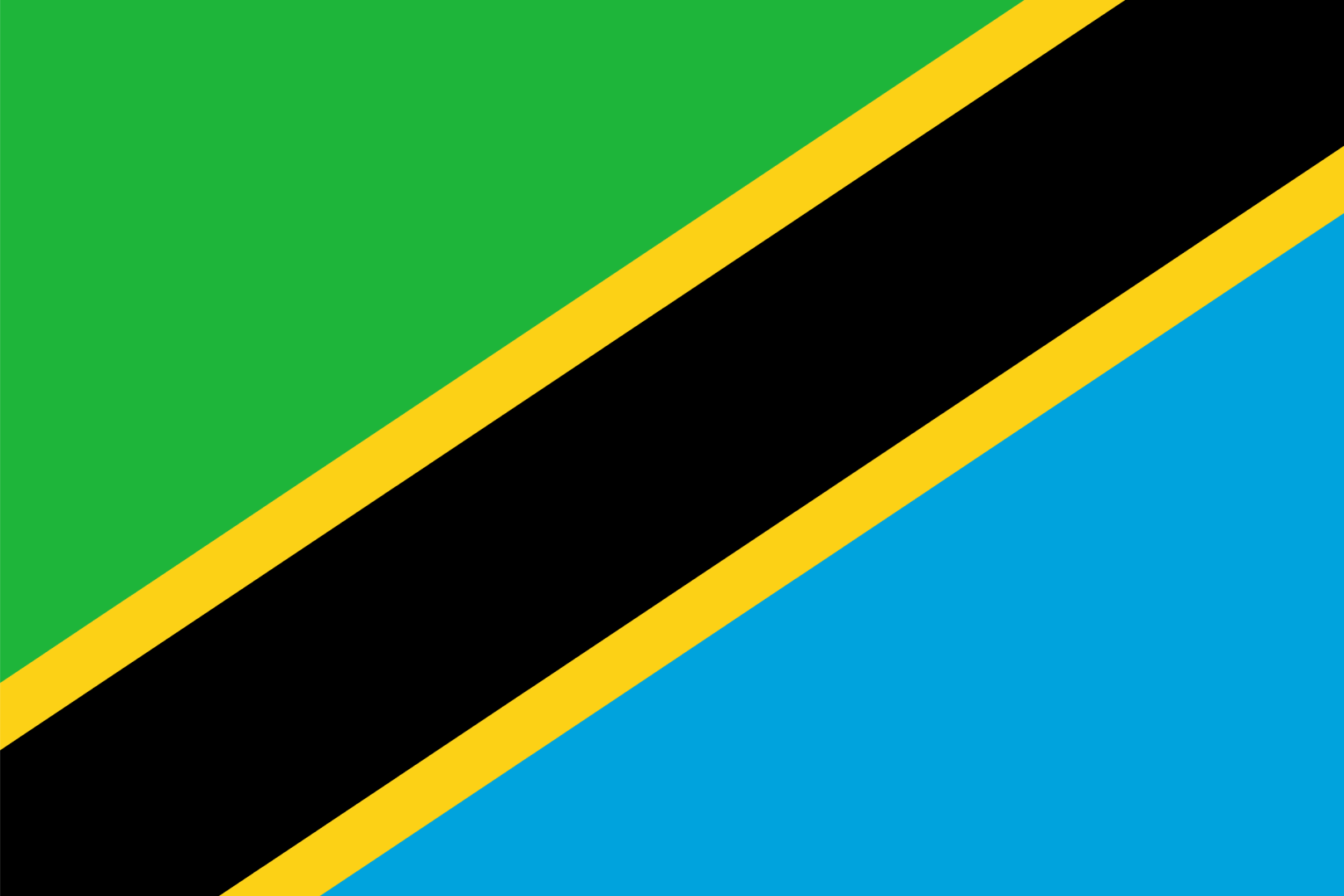
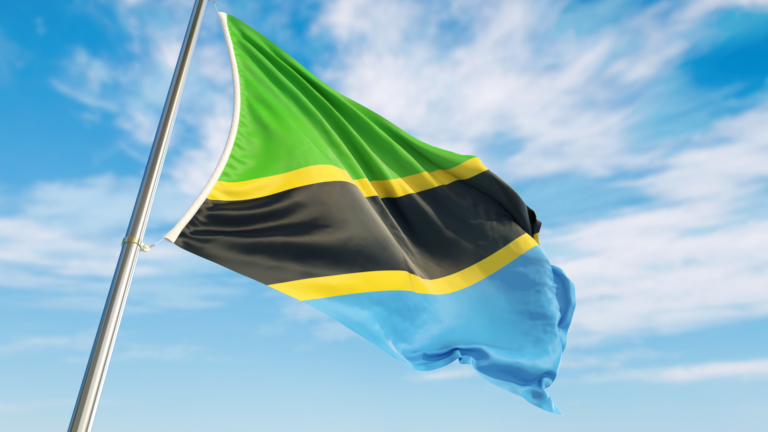
HRF classifies Tanzania as ruled by a fully authoritarian regime.
The United Republic of Tanzania is a unitary state formed by the union of Tanganyika and the semi-autonomous Zanzibar archipelago. The Head of State, Samia Suluhu Hassan, assumed the presidency in March 2021 following the death of President John Magufuli. Following independence in 1961, mainland Tanganyika was ruled by the Tanganyika African National Union (TANU) until 1977, when TANU formally merged with Zanzibar’s Afro-Shirazi Party to form Chama Cha Mapinduzi (CCM). Despite formally transitioning the country to a multi-party democracy in 1992, CCM has largely maintained the one-party state institutional and legal framework to maintain absolute dominance of the political landscape. Since 2015, Tanzania has experienced an acceleration of CCM’s authoritarian power consolidation.
Key Highlights
Elections are a sham, to the point where the real, mainstream political opposition does not have a realistic chance to meaningfully compete and possibly win. The regime has unfairly barred a mainstream opposition party and candidate from competing in elections, seriously undermined independent electoral oversight, skewed the electoral playing field so much so that it won with a very high vote share, engaged in significant voting irregularities and electoral fraud, and hindered a mainstream opposition party and candidate’s electoral campaign.
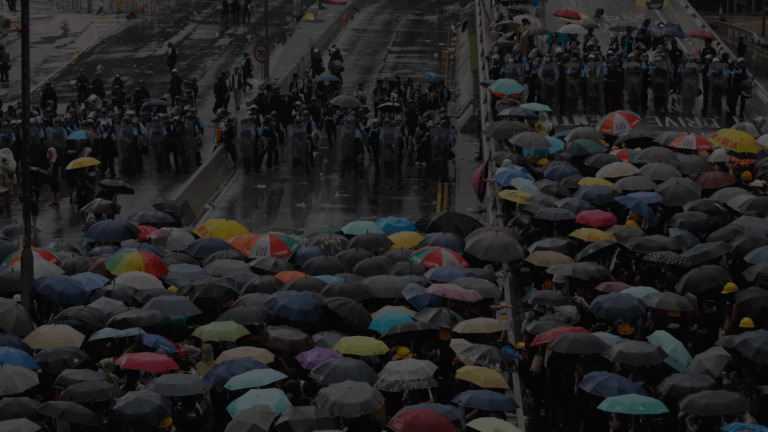
Independent media, political leaders, civil society leaders, organizations, and regular people face overt and systematic retaliation if they openly criticize or challenge the regime. The regime enforces an arsenal of draconian laws dating from the era of formal one-party rule, as well as more restrictive legislation from the Magufuli era, to stifle dissent. It suspends or bans major dissenting organizations, manipulates media coverage in its favor, seriously intimidates regime critics, unfairly represses dissenting protests, and abuses vague laws to silence dissent. Opposition figures and critics have suffered arbitrary detentions, abductions, beatings, and deaths.
Institutions largely fail to serve as independent checks on the regime. In Tanzania’s political system, an imperial presidency tops a powerful executive, which subordinates the other branches of government, and with CCM’s decades of entrenchment in control of all state institutions, there is no meaningful check to executive power. While Tanzanian courts have occasionally ruled on challenges to executive action, their interventions have been narrow, inconsistently enforced, and ultimately insufficient to prevent the regime from repressing criticism, undermining electoral competition, or weakening accountability mechanisms.