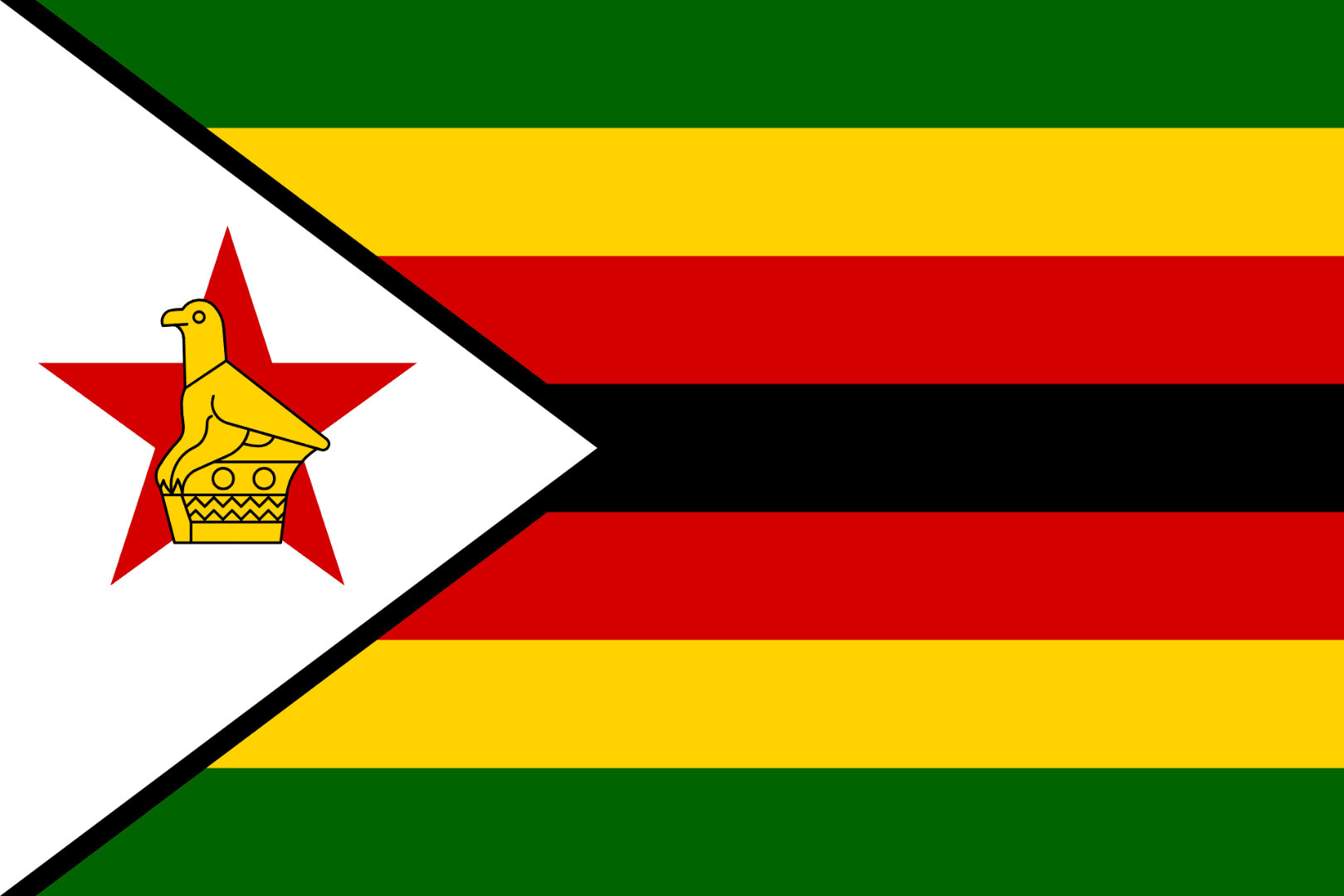
HRF classifies Zimbabwe as ruled by a fully authoritarian regime.
Zimbabwe is a unitary state, and the Head of State, Emmerson Mnangagwa, seized power in November 2017 through a military coup that forced his longtime companion and political mentor, Robert Mugabe, who had ruled the country since independence in 1980, to resign. Electoral competition in Zimbabwe has faced significant constraints since independence, marked by severe repression, electoral violence, and the politicization of state institutions. For years, the ruling Zimbabwe African National Union-Patriotic Front (ZANU-PF) party has deliberately fractured the opposition by engineering splits using courts and state institutions to legitimise rival factions. ZANU-PF party remains the central political actor, supported by security forces, state-aligned non-state actors, and a dominant parliamentary majority, while opposition movements and civil society organisations continue to face systematic obstruction.
Key Highlights
National elections in Zimbabwe are a sham, to the point where the mainstream political opposition party has no realistic chance to meaningfully compete and possibly win. ZANU-PF emerged as a liberation movement fighting against white minority rule and transformed into a governing party after claiming victory in the historic 1980 elections that led to Zimbabwe’s independence. In every national election since 1980, ZANU-PF has significantly and unfairly hindered the real, mainstream opposition party and its supporters from campaigning and securing votes. ZANU-PF has exerted partisan control of electoral oversight, unfairly skewed the electoral process in its favor, intimidated its main opposition challengers, and staged unfair and untransparent polls, all of which have been tainted with allegations of fraud.
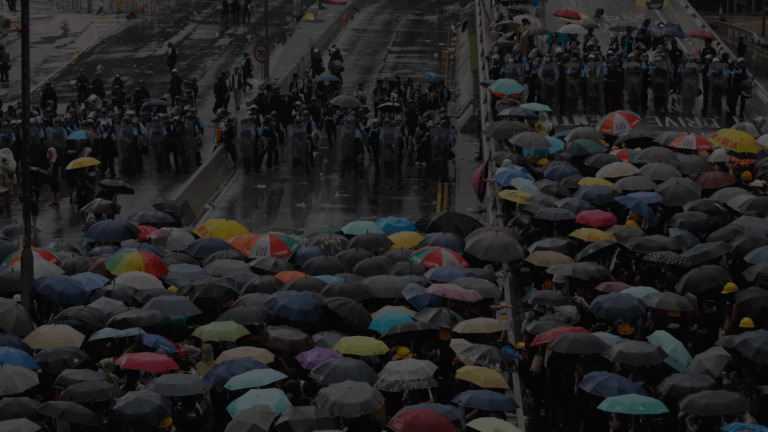
Independent media, political leaders, civil society leaders, organizations, and members of the general public face overt and systematic retaliation if they openly criticize or challenge the regime. The regime systematically eliminates opposition members and activists through targeted killings and enforced disappearances, and intimidates them through torture, abductions, threats, and arbitrary detention. It files politically motivated cases under vague, draconian laws and keeps prominent critics in prolonged pretrial detention to silence them. At the same time, it selectively enforces restrictive assembly laws, deploys pre-emptive security operations to block mobilization, and violently disperses protests, often arresting organizers to deter collective action.
Institutions largely fail to serve as independent checks on the governing authority. Courts have enabled the regime to validate disputed election results, disqualify opposition candidates, uphold restrictions on opposition rallies, sustain politically motivated prosecutions, and prolong detentions. The regime has retaliated against dissenting judges, weakened judicial institutions by exerting control over judicial appointments, and systematically dismantled accountability mechanisms.