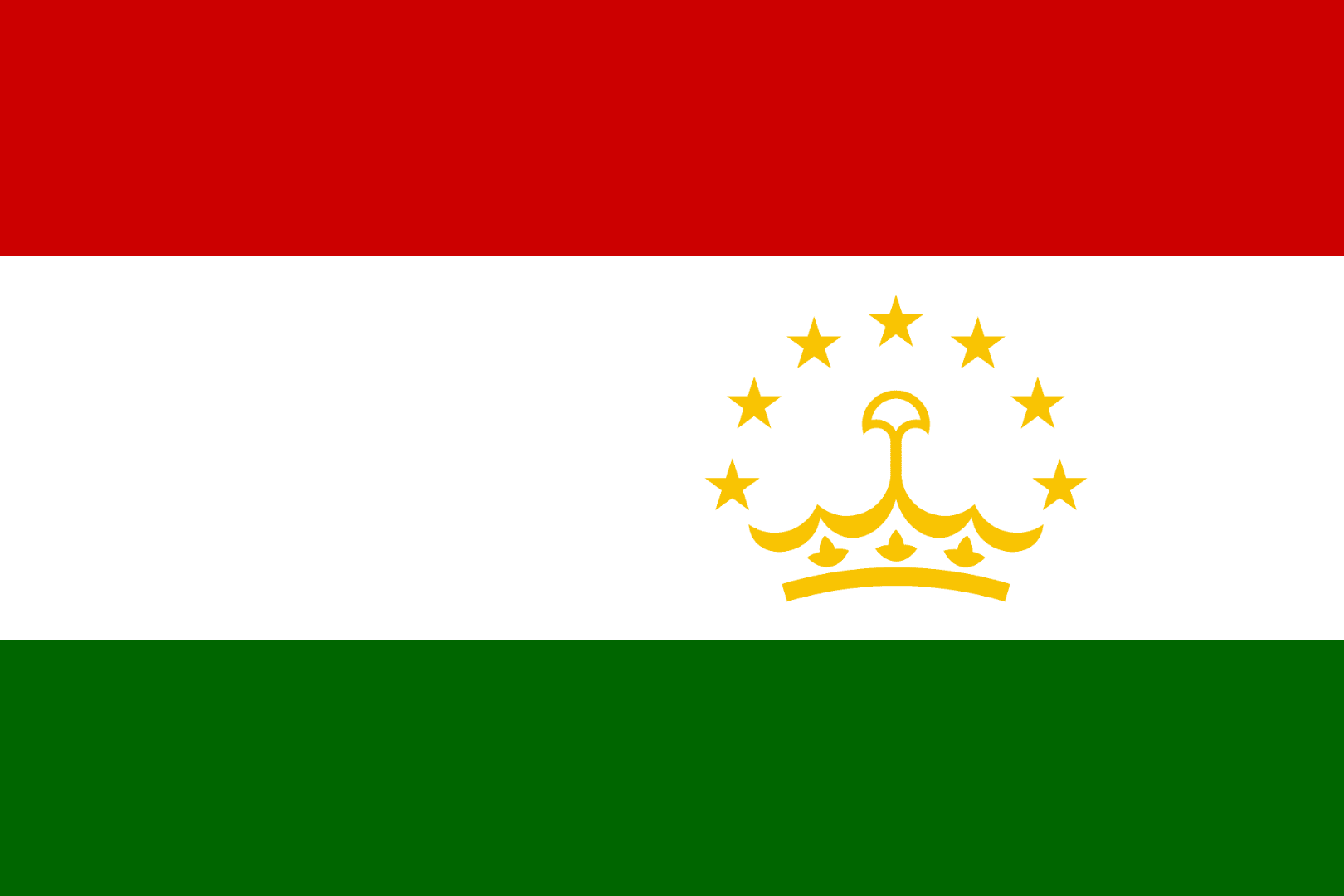
HRF classifies Tajikistan as ruled by a fully authoritarian regime.
Tajikistan declared independence on September 9, 1991, following the collapse of the Soviet Union, but immediately plunged into a bloody civil war (1992–1997) between the pro-communist government and an opposition coalition of Islamist and democratic forces. Emomali Rahmon, the former head of a collective farm, came to power in 1992 and has ruled as president since 1994, systematically eliminating political rivals and consolidating a personalized dictatorship. Since the end of the civil war, Tajikistan has never held a free and fair election. Rahmon has secured his indefinite rule through constitutional manipulation, most notably a 2016 referendum that abolished presidential term limits for the “Leader of the Nation” and lowered the age of eligibility for the presidency. This legal framework has paved the way for a dynastic succession; Rahmon’s son, Rustam Emomali, currently serves as both the Mayor of Dushanbe and the Chairman of the National Assembly (upper house of parliament), placing him next in the line of succession. Formally, Tajikistan is a presidential republic with a bicameral parliament (Majlisi Oli), but in practice, the legislature and judiciary are completely subservient to the executive. The ruling People’s Democratic Party of Tajikistan (PDPT) dominates all levels of government. In the most recent parliamentary elections, held in March 2025, the PDPT retained its supermajority in a contest devoid of genuine opposition, as noted by international observers. The regime also maintains tight control over the autonomous region of Gorno-Badakhshan (GBAO), which has faced brutal security crackdowns aimed at suppressing local self-governance movements.
Key Highlights
In Tajikistan, national elections are a sham, to the point where the real, mainstream political opposition does not have a realistic chance to meaningfully compete and possibly win. The Rahmon regime secures its indefinite hold on power through a manipulated constitutional framework designed to facilitate dynastic succession. By barring genuine opposition forces from the ballot and monopolizing state resources for campaign advantages, the regime ensures that elections remain non-competitive contests defined by widespread voting irregularities.
Independent media, political leaders, civil society leaders, organizations, and members of the general public face overt and systematic retaliation if they openly criticize or challenge the regime. The dissent environment in Tajikistan is defined by the intimidation of independent media through fabricated criminal charges and the enforced disappearance or killing of dissidents in custody. This repression extends beyond national borders to target exiles and disproportionately focuses on ethnic minorities, while domestic civil society has been effectively eradicated through administrative liquidation.
Institutions largely fail to serve as independent checks on the regime. The executive branch weaponizes the judiciary to neutralize political opponents via fabricated criminal proceedings, while simultaneously guaranteeing absolute impunity for officials involved in torture and extrajudicial killings. Complete presidential control over judicial appointments renders genuine legal oversight impossible.